
Last updated November 14, 2026
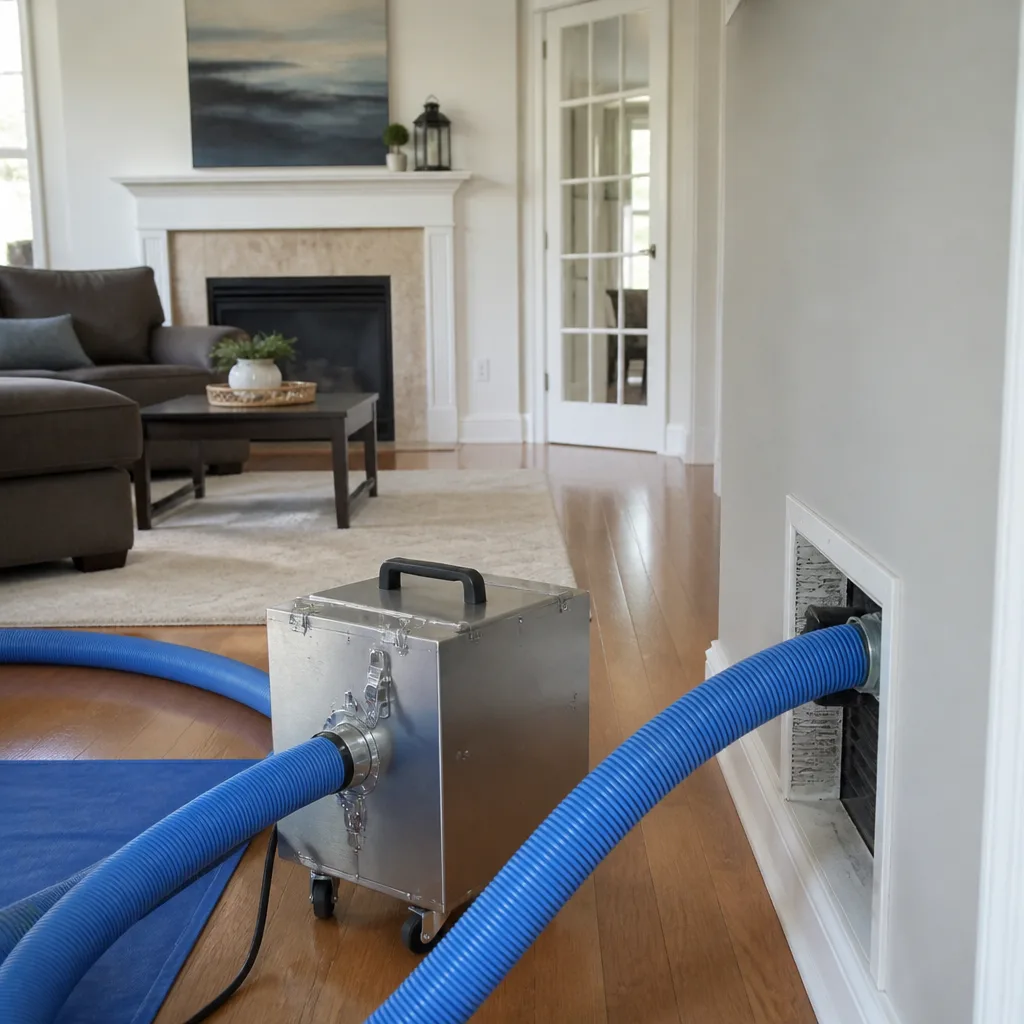 Whole-home duct cleaning
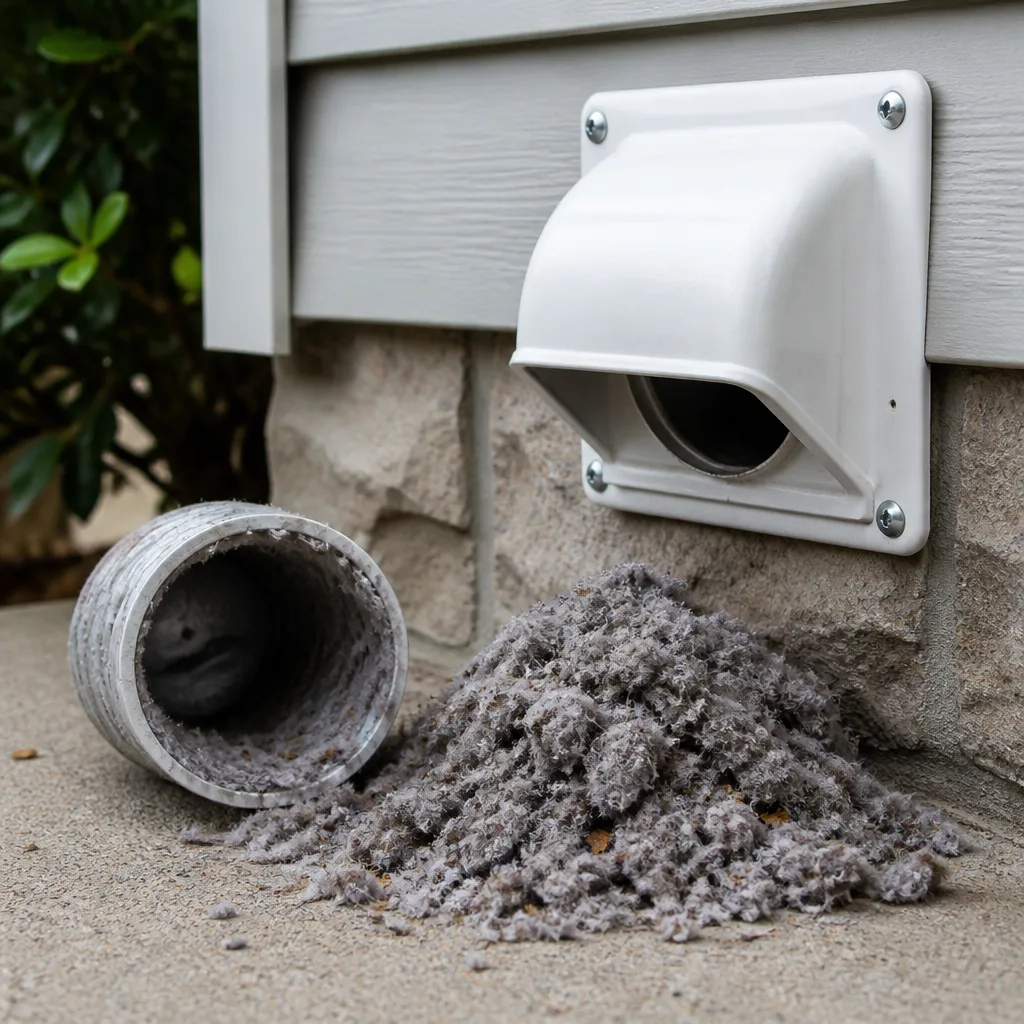 Dryer vent cleaning
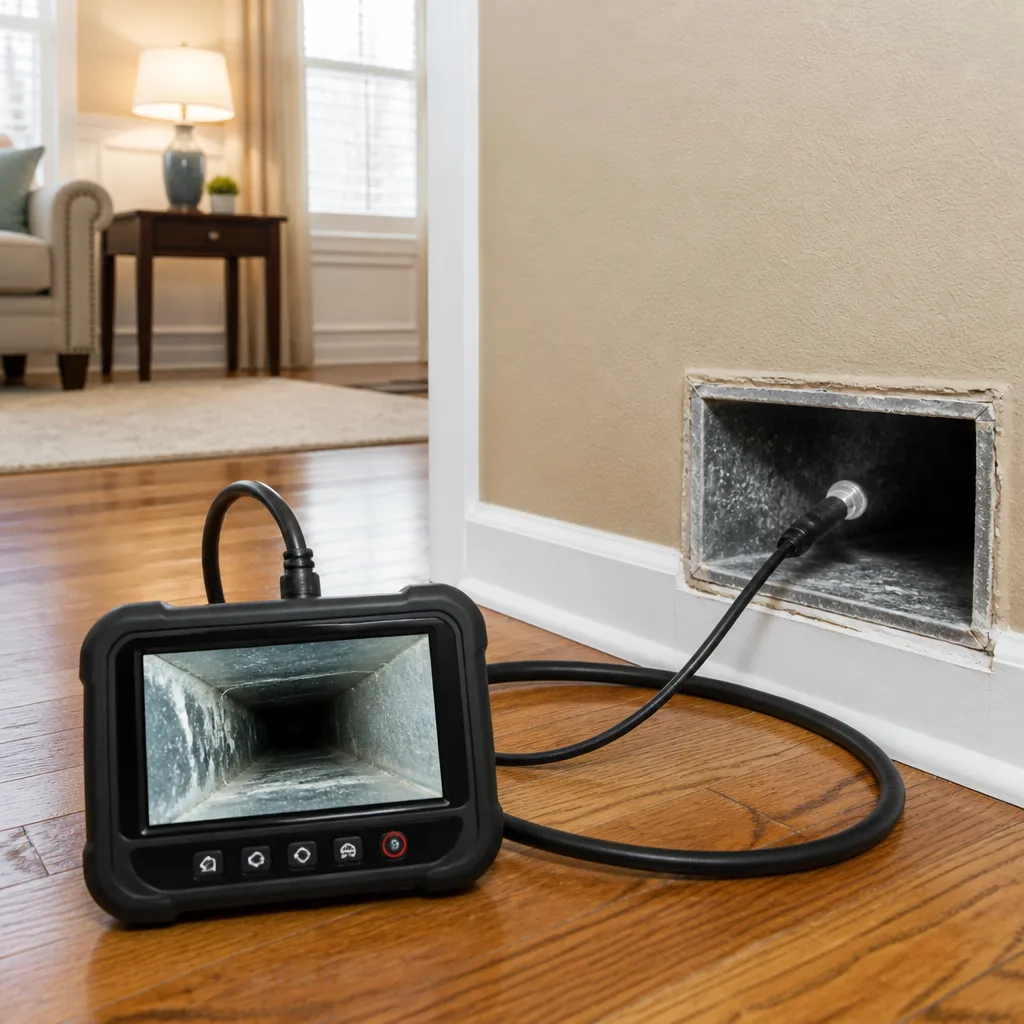 Camera inspection
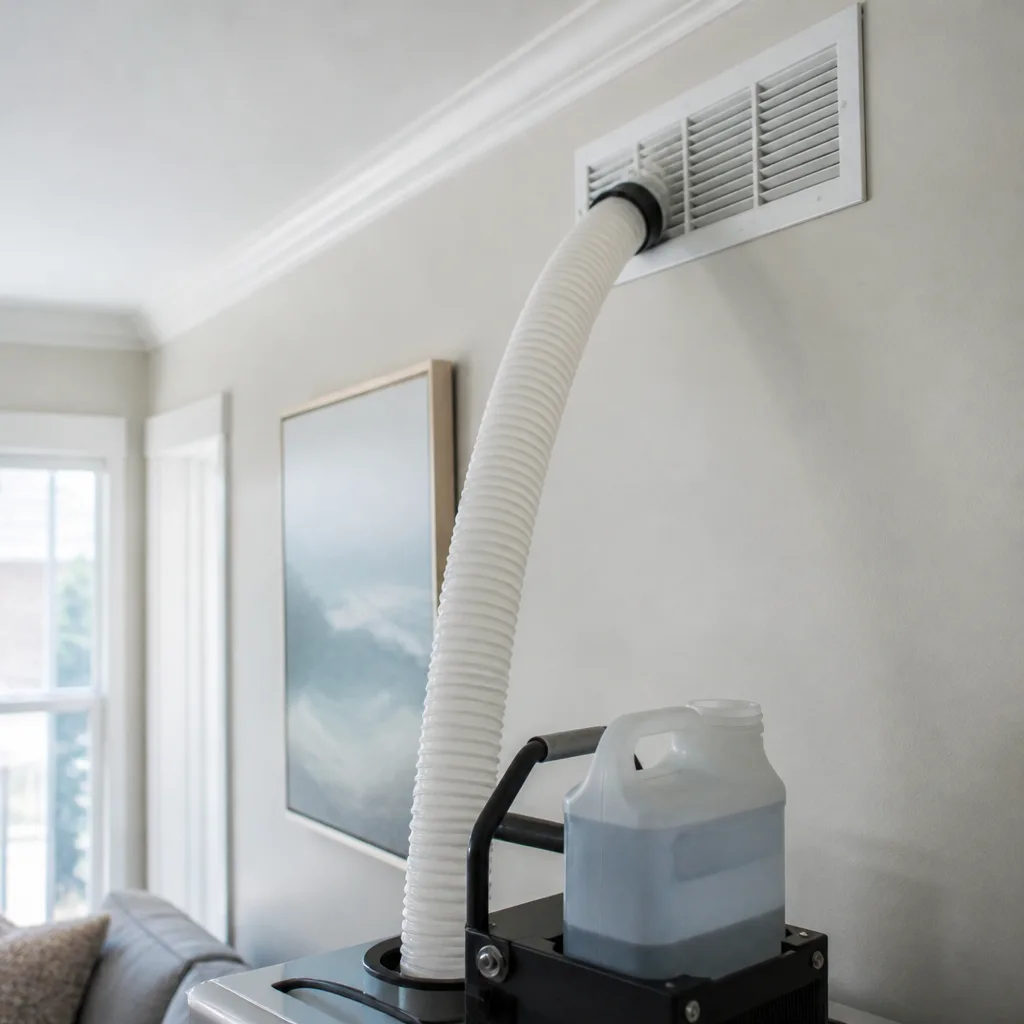 Sanitizing & deodorizing
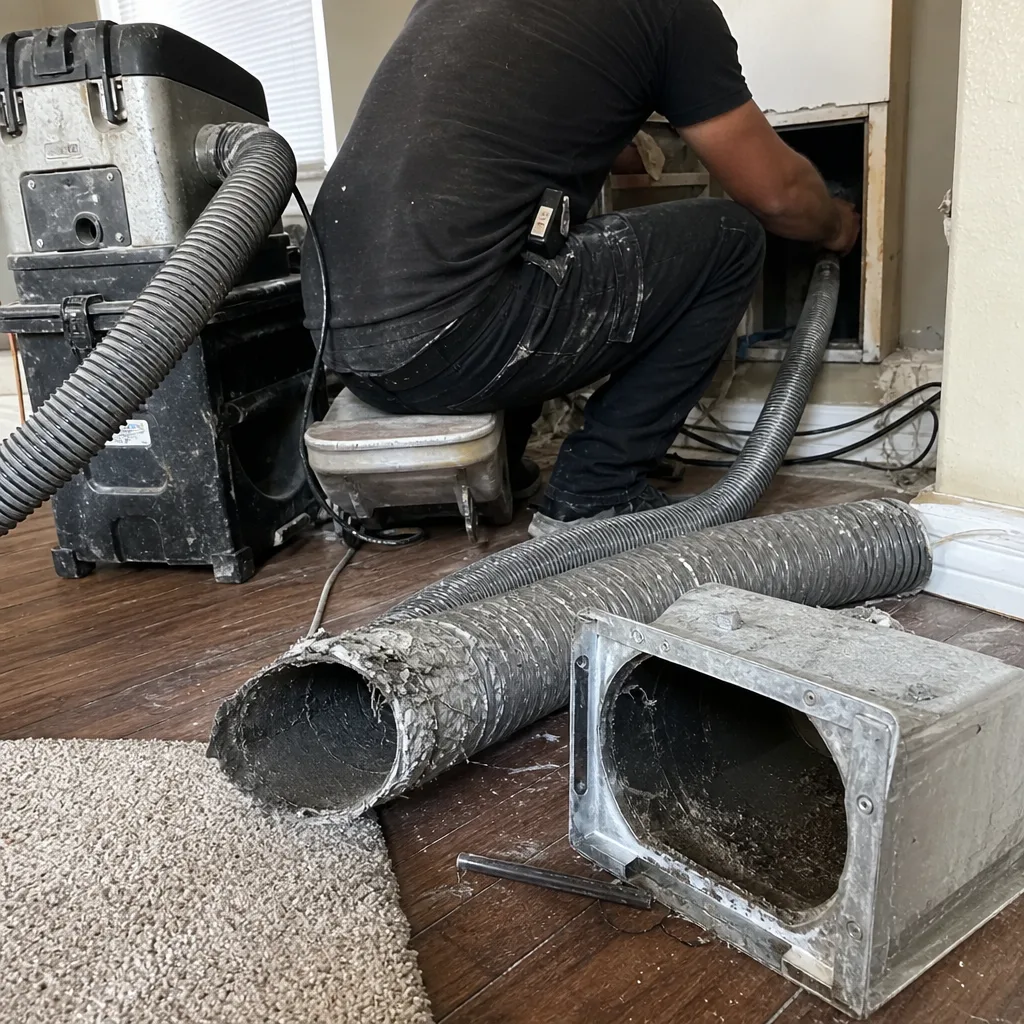
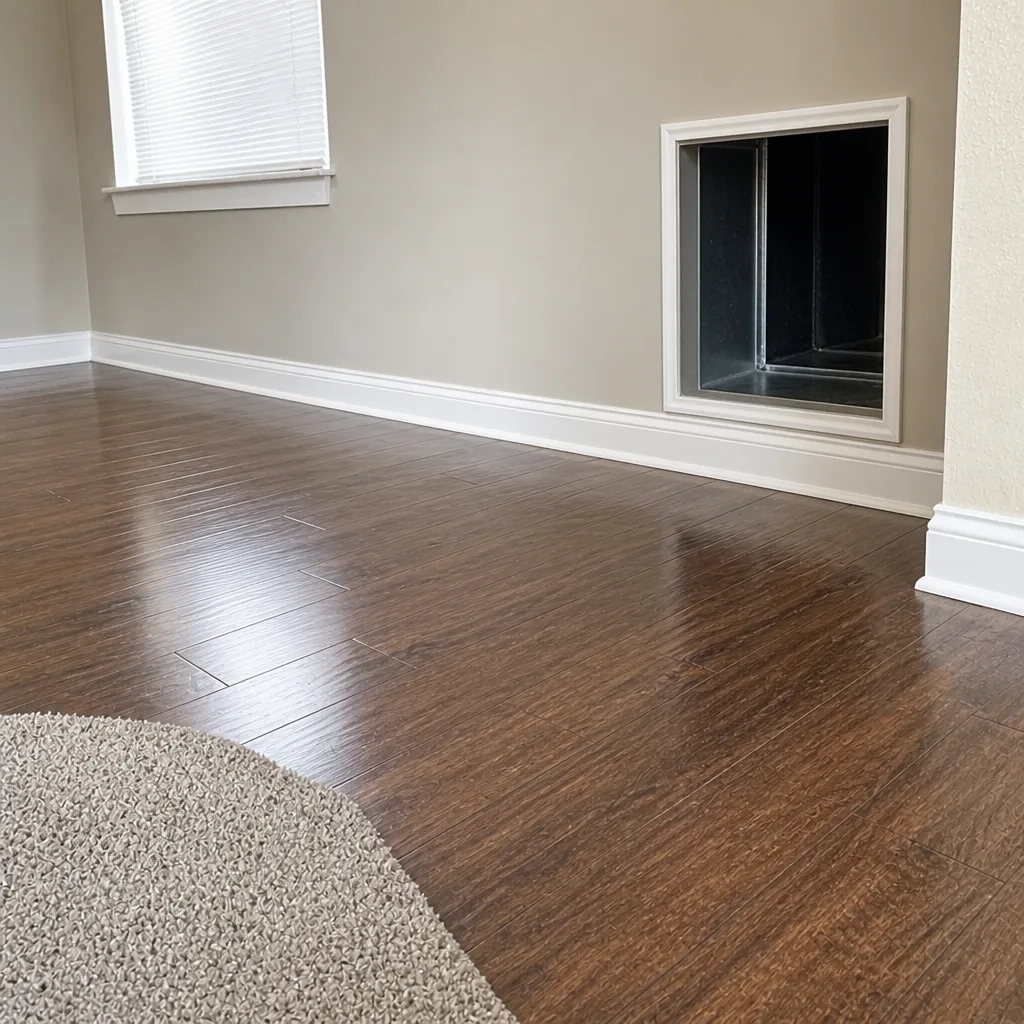
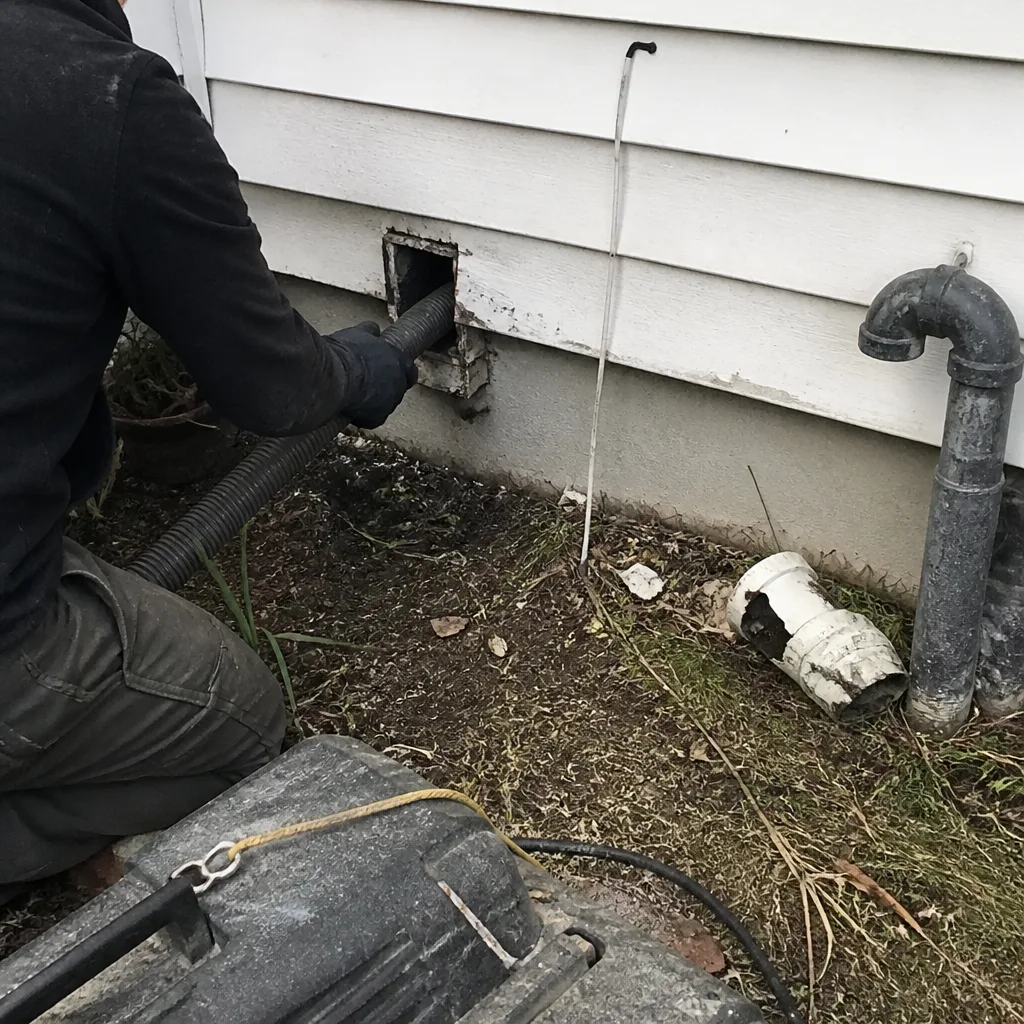
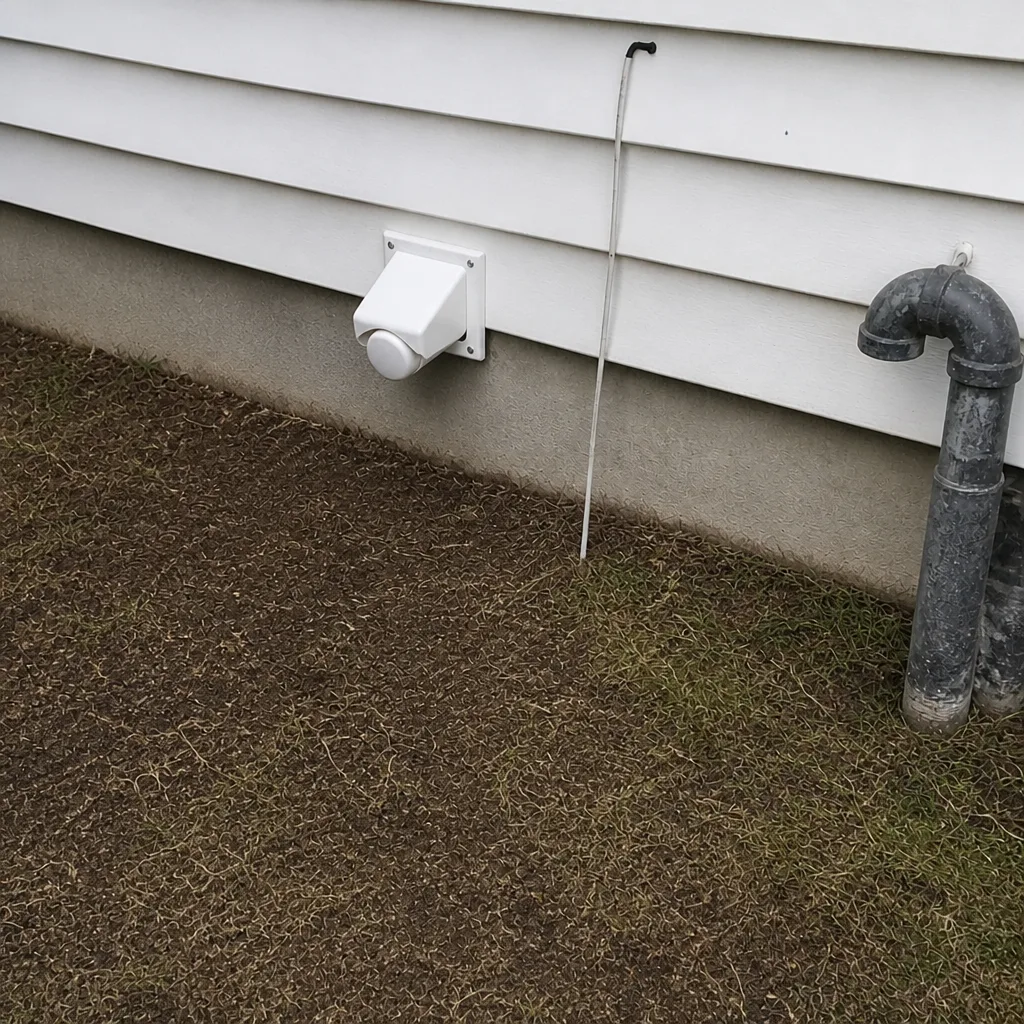
Whole-system duct and dryer vent check with before-and-after photos - you see exactly what came out of your vents
That "$99 whole-house special" is a bait ad - the real number appears once they are in your hallway, or the "clean" is a shop-vac at the register. We photograph the inside of your ducts before and after instead.
Air Duct Cleaning Warning Signs: A West Valley City Homeowner’s Reference Guide
If you’re running your vacuum more often than you did two years ago but nothing else has changed, that’s not a housekeeping pattern. It’s a data point about your duct system’s particulate output. Most homeowners read that signal as “the house is just dusty,” the same way they read morning congestion as allergy season and a weak airflow as a tired furnace. Very often, all three trace back to the same place: contamination sitting inside the ductwork and getting pushed into every room on every cycle. This guide ranks the warning signs that actually point at your ducts, separates them from equipment failures, and tells you which ones mean act now versus watch and log. We’ll keep it specific to how homes in West Valley City tend to fail.
Quick Answer
The clearest signs you need air duct cleaning in West Valley City are visible dust streaking or dark staining at multiple supply registers, a musty or sharp smell that appears only when the system runs, congestion or allergy-type symptoms that ease when you leave the house, and a dust film that returns within days of cleaning. Any one of these is worth a professional inspection. Three or more together means the ducts are the likely source, not your housekeeping or your equipment.
Styles & brands we work with
- Whole-home duct cleaning
- Dryer vent cleaning
- Camera inspection
- Sanitizing & deodorizing
Table of Contents
- Register Dust Patterns That Mean Something
- Is It Your HVAC Equipment or Your Ducts?
- Smell Signatures: Mold, Rodents, and Combustion Gas
- Health Patterns That Track With Your Ducts
- West Valley City Signs: Inversion Grit vs. Construction Dust
- Ranking the Warning Signs by Urgency
- The Related Warning Sign Most People Forget
- What a Real Cleaning Visit Looks Like
Register Dust Patterns That Mean Something
Every register collects some dust. That’s normal. What matters is the pattern, the rate, and whether the deposit is on the outside of the grille or coming from inside the duct. There’s a real difference between housekeeping dust settling on a grille and contamination being blown out through it.
Here’s what to look at. Take a white cloth or paper towel and wipe the face of a supply register. Run the system, then wipe the same register a second time a day later. If the second wipe comes back noticeably gray, you’re getting active output, not settled dust. Repeat at three or four registers around the house. If the output is uneven, with some registers blowing visible dust and others clean, that unevenness often points to a contamination pocket inside one trunk line rather than a whole-house problem.
Patterns that point inside the duct
- Dark streaking around the grille edges. Dust pulled through the gap between the grille and the drywall leaves a shadow mark. It means air is escaping around the register instead of flowing cleanly through it.
- A visible film on the inside of the grille vanes. Look up through the slots. If the inside of the duct behind the grille looks fuzzy or matte brown, that’s deposit buildup, not surface dust.
- Dust that returns in days. A house that dusts up again within a week of a full cleaning is telling you the source is still running.
- Dust concentration near ceiling registers in vaulted rooms. Warm air rises, and in West Valley City homes with high ceilings, the upper registers often carry the heaviest deposits.
Patterns that usually don’t mean anything
A light, even gray film on return grilles is often just the filter doing its job upstream. Dust on top of a bookshelf or on blinds is house dust, not duct dust. And one grille that looks worse than the others can simply sit under a return that’s pulling pollen and grit from a nearby open window.
Is It Your HVAC Equipment or Your Ducts?
The single most common diagnostic mistake we run into is treating a duct problem as an equipment problem. Weak airflow from every register in the house usually points to the blower or the filter. Weak airflow from some registers and strong from others usually points at the ducts. That distinction saves you a service call and, more importantly, saves you from paying for an equipment repair that doesn’t touch the real issue.
Duct contamination degrades system performance in a predictable way. A restricted trunk line or a collapsed flex run reduces airflow, the system runs longer to reach the thermostat setpoint, and the symptoms show up as “the furnace just isn’t keeping up.” But a dirty blower wheel, a failing capacitor, or a refrigerant charge issue produces different symptoms: short cycling, a system that starts strong and fades, or a temperature split that doesn’t hold. Dirty ducts tend to be steady and chronic. Equipment failures tend to be sudden and erratic.
A quick way to sort it out
- Note the airflow at every register with your hand. Compare rooms.
- Check the air filter. A clogged filter mimics duct restriction and costs nothing to rule out.
- Look for a strong, steady airflow in the rooms near the air handler and weak airflow in rooms at the end of the longest run. That pattern is a duct issue, not an equipment issue.
- Feel for temperature differences between rooms. A room that’s consistently colder in winter and hotter in summer than the rest of the house is often starving for airflow from a restricted duct.
- Note any whistling or whooshing at registers. High-velocity noise at one register with low flow at another suggests a leak or a disconnected run.
If steps one through five point to a duct restriction, cleaning comes before any equipment repair. If the system still misbehaves after the ducts are cleared, the equipment is the next thing to test.
Smell Signatures: Mold, Rodents, and Combustion Gas
Smells are the most underrated diagnostic tool a homeowner has. Different contaminants produce distinct signatures, and a couple of those signatures require you to act fast. Here’s how to read them.
- Musty, wet-basement smell when the system kicks on. That’s the signature of biological growth in a damp section of duct, usually near the air handler or in a run through an unconditioned space. It requires professional attention, because growth means there’s moisture getting in somewhere that needs to be found and fixed, not just cleaned.
- A sharp, uric, ammonia-like odor that gets worse in certain rooms. That’s the rodent signature. Rodents move through duct runs as a shortcut, and the contamination they leave is a genuine air-quality problem. We treat these as a priority because the source has to be removed before any cleaning does lasting good.
- A rotten-egg or exhaust smell. That’s not a duct-cleaning issue. If you smell gas or combustion byproducts in your home, leave, ventilate, and call your gas utility immediately. Do not run the system to see if it clears up.
- A flat, dusty, “hot metal” smell. That usually means dust is burning off on the heat exchanger when the system starts. It’s the most common duct-related smell we get called about in West Valley City, and it fades after a thorough cleaning.
One rule of thumb: a smell that appears only when the blower runs is coming from the ducts. A smell that’s there all the time is coming from somewhere else, and you shouldn’t assume a cleaning will fix it.
Health Patterns That Track With Your Ducts
Health symptoms are the hardest signs to pin on ductwork, because the same symptoms show up in seasonal allergies, colds, and dry air. What separates duct-related irritation from seasonal allergies is timing and location. Seasonal allergies follow the calendar and the outdoors. Duct-related symptoms follow the house and the system cycle.
The pattern to look for is a symptom that starts at home and eases when you leave it. Morning congestion that lifts by mid-morning is often the early sign. Worsening asthma control in a home where the medication hasn’t changed is another. A child or adult who wakes up congested in one specific room but sleeps fine in another is a strong signal about which branch of the duct system serves that room. These patterns don’t confirm contamination on their own, but they’re worth logging for a week and comparing to the other signs in this guide.
The symptom log that helps a professional
- Write down which rooms have symptoms and which don’t.
- Note the time of day the symptoms peak. Morning points to the overnight cycle; evening points to the daytime run.
- Compare to the outdoor season. If symptoms hit in spring and fall equally, seasonal allergies are less likely to be the whole story.
- Log any recent construction, roof work, or remodeling near the home.
- Note when the air filter was last changed. If a new filter improves symptoms for a few days and then the symptoms return, the filter is doing what it can, and the ducts are likely the rest.
We aren’t a medical provider, and we can’t diagnose a health condition. What we can tell you is which homes we walk into where the complaint pattern matches what we find in the ducts, and that’s plenty to justify an inspection.
West Valley City Signs: Inversion Grit vs. Construction Dust
West Valley City sits in the Salt Lake Valley, and the valley’s winter inversion changes how duct contamination shows up here compared to most other places. Inversions trap particulate matter close to the ground. That particulate gets pulled into return ducts with every running cycle, and over a season it accumulates as a dark, fine, almost talcum-like grit. Then spring and summer bring a second problem, which is construction dust from the ongoing development across the west side and near the foothills.
Post-inversion buildup looks like this
- Fine gray-black dust concentrated in returns rather than supplies.
- Dust that smudges on a white cloth rather than sitting on it as a distinct particle.
- Deposits highest in homes closest to major roadways and lower valley edges, where inversion layers settle thicker.
- Buildup most evident after winter, roughly December through February.
Post-construction infiltration looks different
- Pale tan or yellow-brown dust, often with a slightly sandy texture.
- Deposits concentrated near returns closest to the home’s perimeter walls.
- Buildup that appears abruptly, not gradually, after nearby new-home or road construction.
- A noticeable increase in dust on interior window sills as a telltale side signal.
Both are worth cleaning, but the distinction tells a professional which returns to inspect first and whether the home needs a repair visit in addition to a cleaning. A number of West Valley City homes have older flex-duct runs that develop small tears over time, and those tears pull unconditioned attic air and outside dust straight into the system. That’s an air duct repair issue, not a cleaning issue, and it’s why we handle both in the same visit when it’s needed.
Ranking the Warning Signs by Urgency
Not every sign is an emergency, and not every sign is a “wait and see.” Here’s how we rank them so you can decide what to act on first. The first tier means call now, the second tier means schedule a visit soon, and the third tier means keep watching and log as you go.
Tier 1: act now
- Combustion or gas smells combined with any system complaint. Leave and call your gas utility. This isn’t a duct-cleaning decision.
- Visible rodent contamination in the duct system. Rodent activity in a duct needs professional handling, because the contamination has to be removed and the entry points closed, not just vacuumed around.
- Biological growth or standing moisture inside ductwork. Cleaning comes second to finding and stopping the moisture source. We won’t clean a duct system we know is actively wet without addressing why.
- Dryer vent showing any of the fire-safety signs covered in the next section.
Tier 2: schedule within a few weeks
- Multiple registers showing active dust output.
- A system-only smell that appears on every cycle.
- A recent purchase where you don’t know the last time the ducts were cleaned.
- Onset of symptoms matching the pattern in the health section above.
Tier 3: monitor and log
- A single register that looks worse than the others.
- Dust returning slowly over months rather than days.
- Uneven airflow without any smell or visible dust output.
The Related Warning Sign Most People Forget
We include the dryer vent in a guide about duct warning signs because the failure pattern is nearly identical, and the consequence is more serious. A dryer vent that’s clogged or improperly routed is a genuine fire-safety concern, not a comfort issue. The signs are different from air duct signs, and they’re easier to miss because the dryer vent is buried behind the machine.
Dryer vent signs to check twice a year
- Clothes take noticeably longer than they used to reach dry.
- The dryer feels hot to the touch on the cabinet while running.
- The outside vent flap doesn’t lift fully when the dryer runs.
- Lint collects behind the dryer or on the floor beneath the vent.
- You can’t remember the last time the vent was cleaned, or you’ve never had it done in this home.
Any three of those together justifies a dryer vent cleaning visit. It closes out the same fire-safety loop that duct cleaning does for air quality, and we usually handle both in the same appointment to save you the scheduling headache.
What a Real Cleaning Visit Looks Like
A professional duct cleaning, done properly, is a two- to four-hour job on a typical West Valley City home. It involves source removal, not just blowing dust around, and it depends on professional equipment. We use Rotobrush and Nikro systems, the same platforms used in commercial and restoration work, and our technicians have up to 8 years of experience with duct-specific machinery. If the visit happens in an hour, someone is skipping work.
What you should see
- Inspection first. Before any cleaning, we inspect the duct system, locate the air handler, and check for damage, moisture, and pest contamination.
- Sealing and negative pressure. A vacuum system is connected at a main trunk and the system is sealed, so the entire ductwork is under negative pressure. That’s how dust gets pulled out instead of pushed into the room.
- Source removal at every register. Each register and return is worked individually with an agitation tool and vacuum.
- Baseboard, blower, and coil cleaning. The air handler, blower compartment, and accessible evaporator coil are cleaned, because leaving those components dirty lets the contamination restart immediately.
- Before-and-after photos. You should get photos of your own ductwork, not stock images.
- Filter review. If your current filter isn’t doing the job, this is the moment to talk about a Honeywell or Aprilaire filtration solution.
If your ducts are damaged, torn flex runs or separated joints need to be fixed before cleaning does any lasting good. We repair the ductwork in the same visit wherever possible.
Common Mistakes to Avoid
- Treating a duct problem as an HVAC repair. If your system is short-cycling and the technician recommends a part replacement, ask whether the airflow restriction has been ruled out. Skipping the airflow question is the most expensive mistake on this list.
- Buying a cleaning based on a coupon price. A low headline price that becomes a much larger invoice once the technician is on site is a well-known bait-and-switch pattern. Insist on one flat price per system, agreed before work starts, with no per-vent pricing.
- Hiring a cleaner who can’t also repair the ductwork. Cleaning a torn duct without repairing it is a temporary fix. Ask up front whether the company handles air duct repair.
- Assuming a new filter solves the problem. A new filter slows the symptoms for a few days. It doesn’t remove contamination that’s already inside the duct.
- Skipping the before-and-after photos. If a company won’t show you their own photos, you have no way to confirm the work was done. Ask before you book.
- Cleaning the air ducts and skipping the dryer vent. Both are part of the same home air and safety system. If you’re paying for the visit, do both.
- Cleaning during active moisture or pest activity. Those have to be addressed first. If a company offers to clean the ducts without checking for either, walk away.
See the difference
 Before
 After
 Before
 After
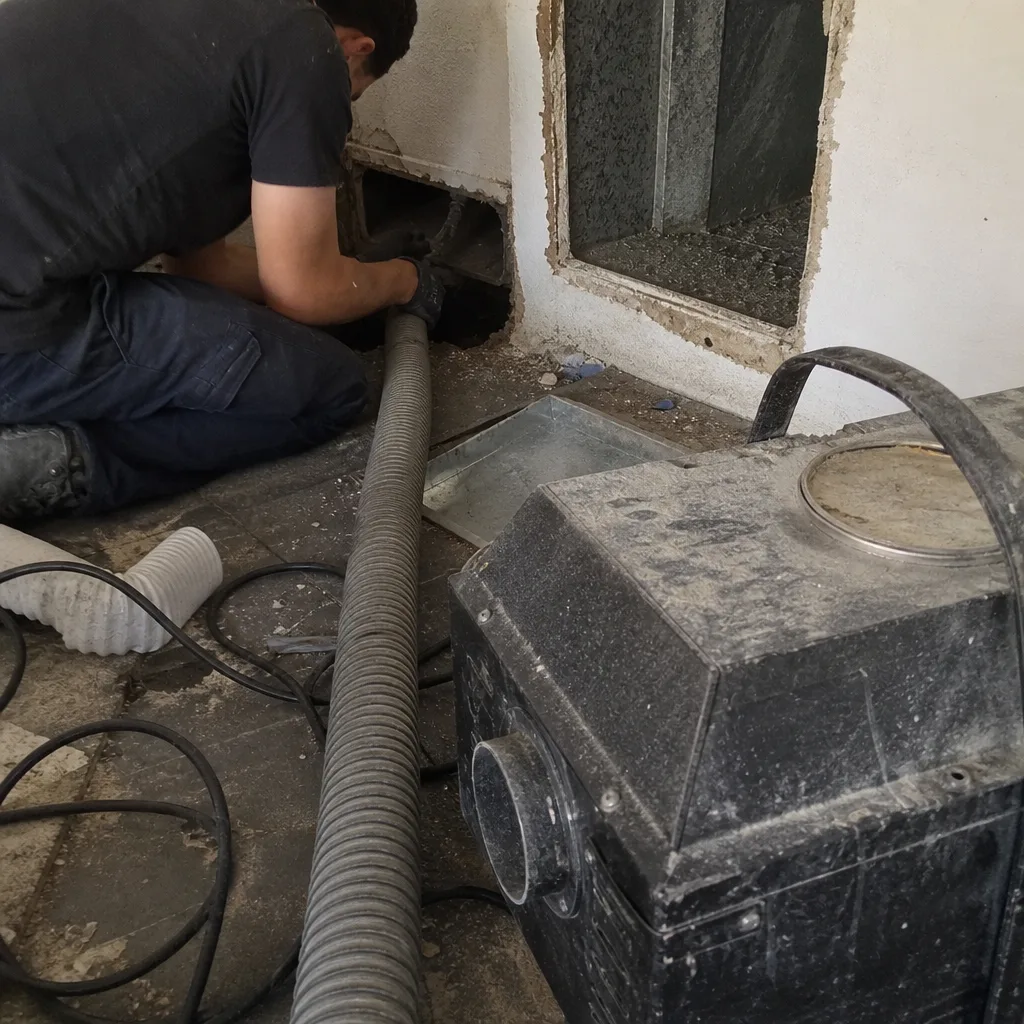 Before
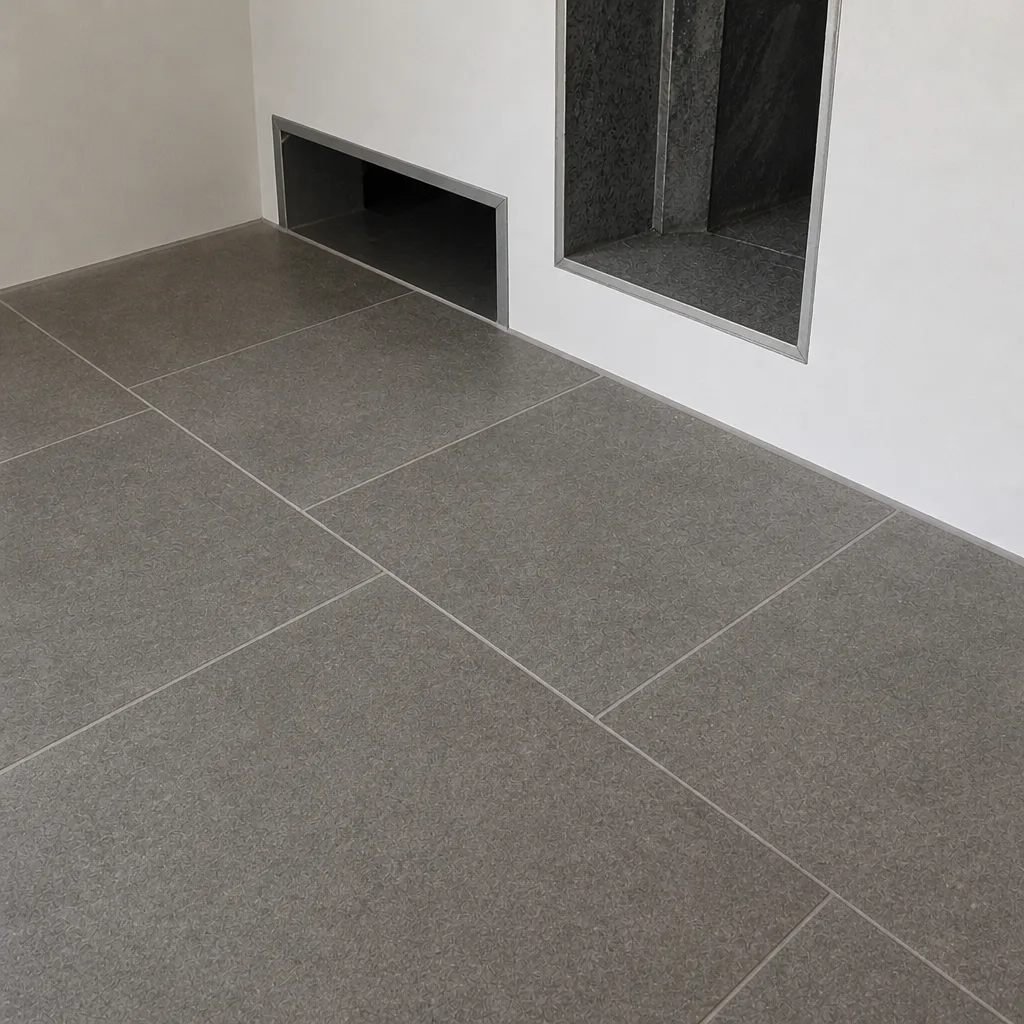 After
When to Call a Professional
Call a professional when you have two or more of the tier 2 or tier 3 signs in this guide, or any tier 1 sign. Before booking, ask three questions. Does the company use professional equipment like Rotobrush or Nikro, or consumer-grade vacuums? Will you be given one flat price per system, agreed before work starts, with no per-vent pricing? And can they repair damaged ductwork in the same visit, or do they only clean? If the answers are yes, yes, and yes, you’ve found the right kind of specialist. If the price is a low coupon that only becomes a real number after the truck arrives, keep looking. Oakridge Air Duct Cleaning offers free estimates in West Valley City, so call (833) 749-0886 to book one. We answer 24/7. Fast dispatch from 7am to 7pm, Sunday through Friday.
Frequently Asked Questions
For most West Valley City homes, every 3 to 5 years is a reasonable interval, but the right answer depends on your home, not the calendar. Homes with pets, recent construction, or residents with respiratory conditions usually need it more often. Homes on the west side dealing with inversion-driven particulate may benefit from a shorter interval. Call (833) 749-0886 for an exact recommendation based on an inspection, not a guess.
Whole-system pricing depends on the home’s size, number of systems, and any duct repair needed, and it’s set per job by a written estimate. We don’t quote per-vent prices and we don’t use teaser coupons. Call (833) 749-0886 for a free estimate; the written number is the number.
The cheap quotes usually skip the parts of the job that take real time: negative-pressure setup, individual register agitation, and air handler cleaning. What’s left is a vacuum pull at one register and a receipt. Ask what equipment the company uses and whether the price is per system or per vent, and the difference usually explains itself. Call (833) 749-0886 to see how we price the whole system in one number.
Ask for before-and-after photos of your own ductwork. Any professional job should include them, and any company that can’t provide them is asking you to take the work on faith. Our technicians photograph the ductwork they clean and share the before-and-after images with you. Call (833) 749-0886 for an estimate and we’ll explain what the photos will cover on your home.
Yes. Surface dust in a home is largely what’s visible, and duct contamination mostly isn’t. If symptoms follow the house and improve when you leave it, and the home is on the older side or has been through construction, that pattern is worth a professional inspection. Call (833) 749-0886 for a free estimate before assuming it’s seasonal.
We handle both. Air duct cleaning clears the contamination, and air duct repair addresses the torn flex runs, separated joints, and crushed sections that let contamination back in. Doing both in a single visit is the only way the cleaning holds. Call (833) 749-0886 to schedule a free estimate.
The Bottom Line
Duct contamination rarely announces itself. It disguises itself as dust you can’t keep up with, airflow that isn’t quite right, a smell you’ve gotten used to, and allergy symptoms that don’t match the season. In West Valley City, the inversion adds a seasonal grit problem that makes the buildup worse than most homeowners realize. Use this guide’s signs as a checklist. Two or three together means it’s time to get an inspection. One tier 1 sign means call now. If you want one flat price per system, before-and-after photos of your own ducts, and a specialist who can clean, clear, and repair the system in a single visit, that’s what Oakridge Air Duct Cleaning does. Professional-grade equipment, one focused scope of work, and an honest estimate. Call (833) 749-0886. We answer 24/7. Fast dispatch from 7am to 7pm, Sunday through Friday.
For the full picture on our primary service, see our guide to air duct cleaning.
Written by the team at Oakridge Air Duct Cleaning.