
Last updated November 14, 2026
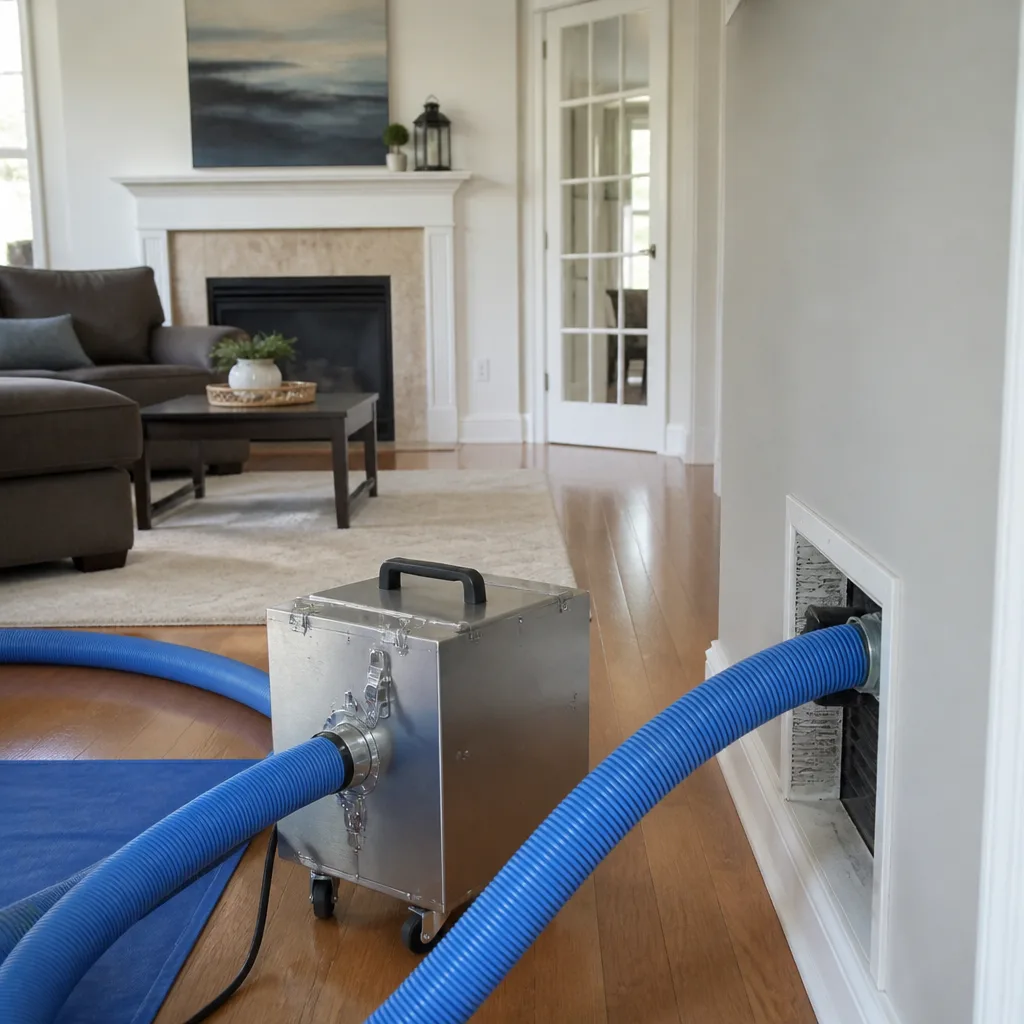 Whole-home duct cleaning
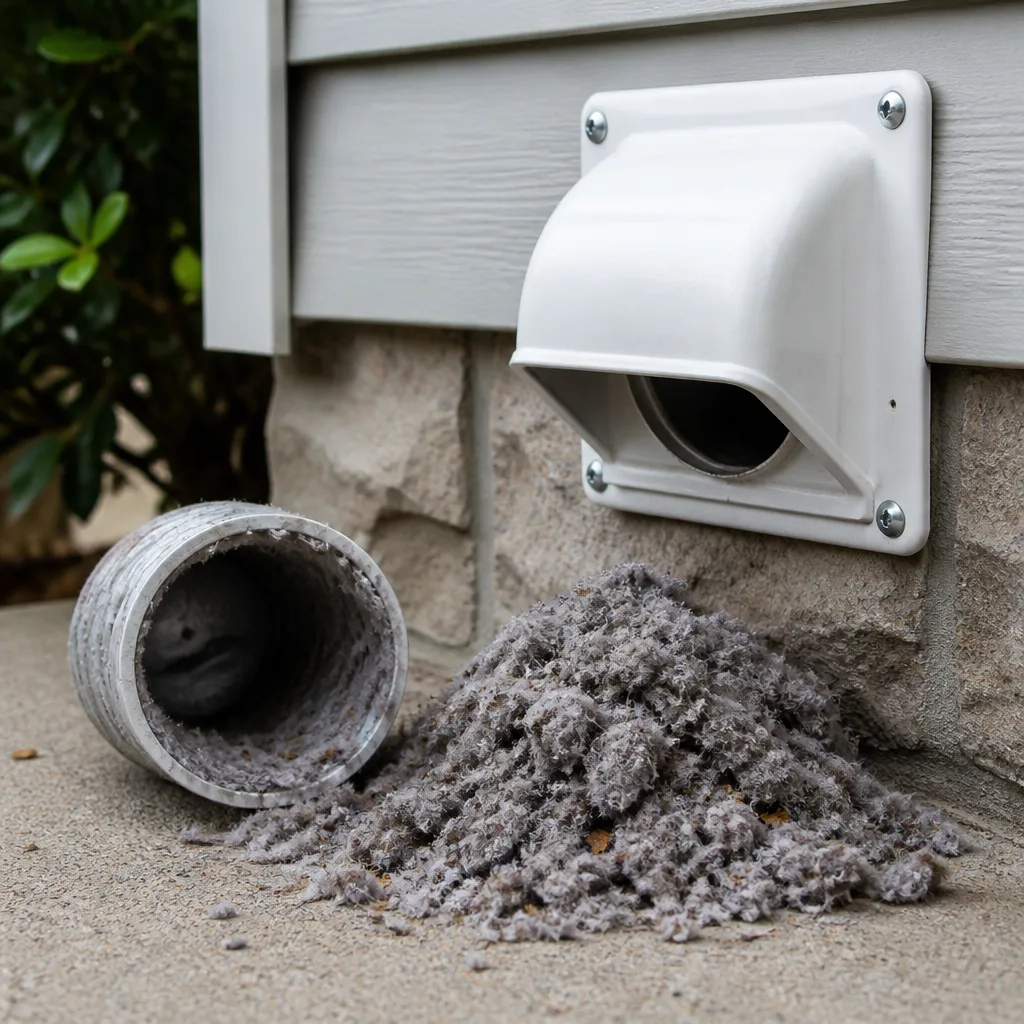 Dryer vent cleaning
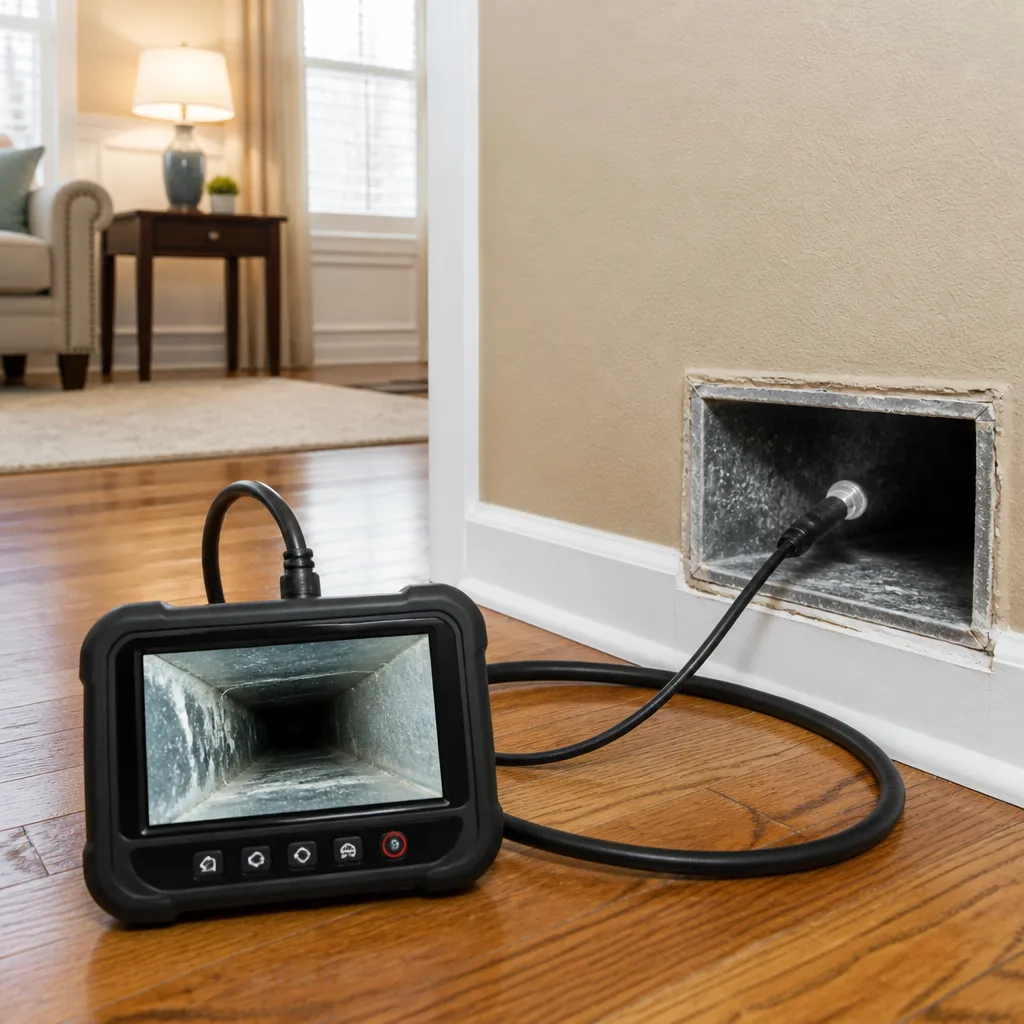 Camera inspection
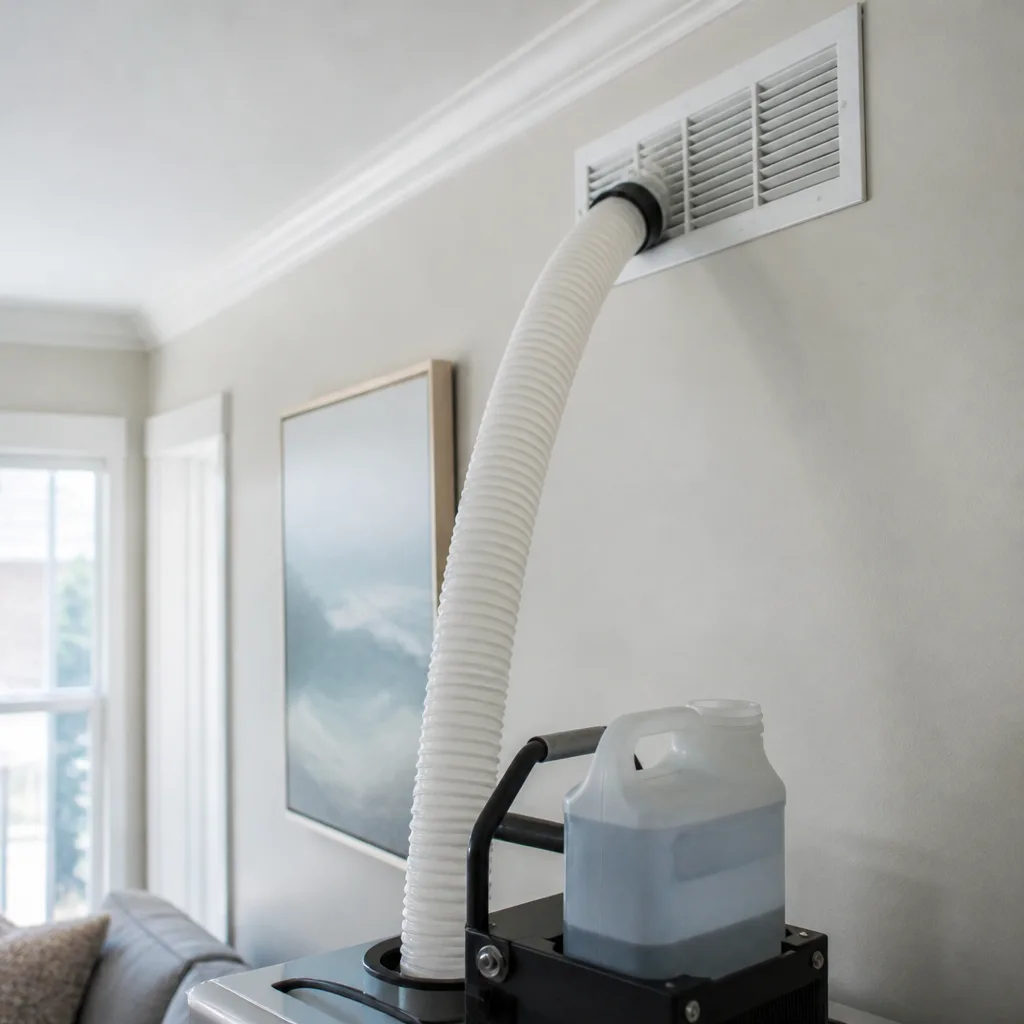 Sanitizing & deodorizing
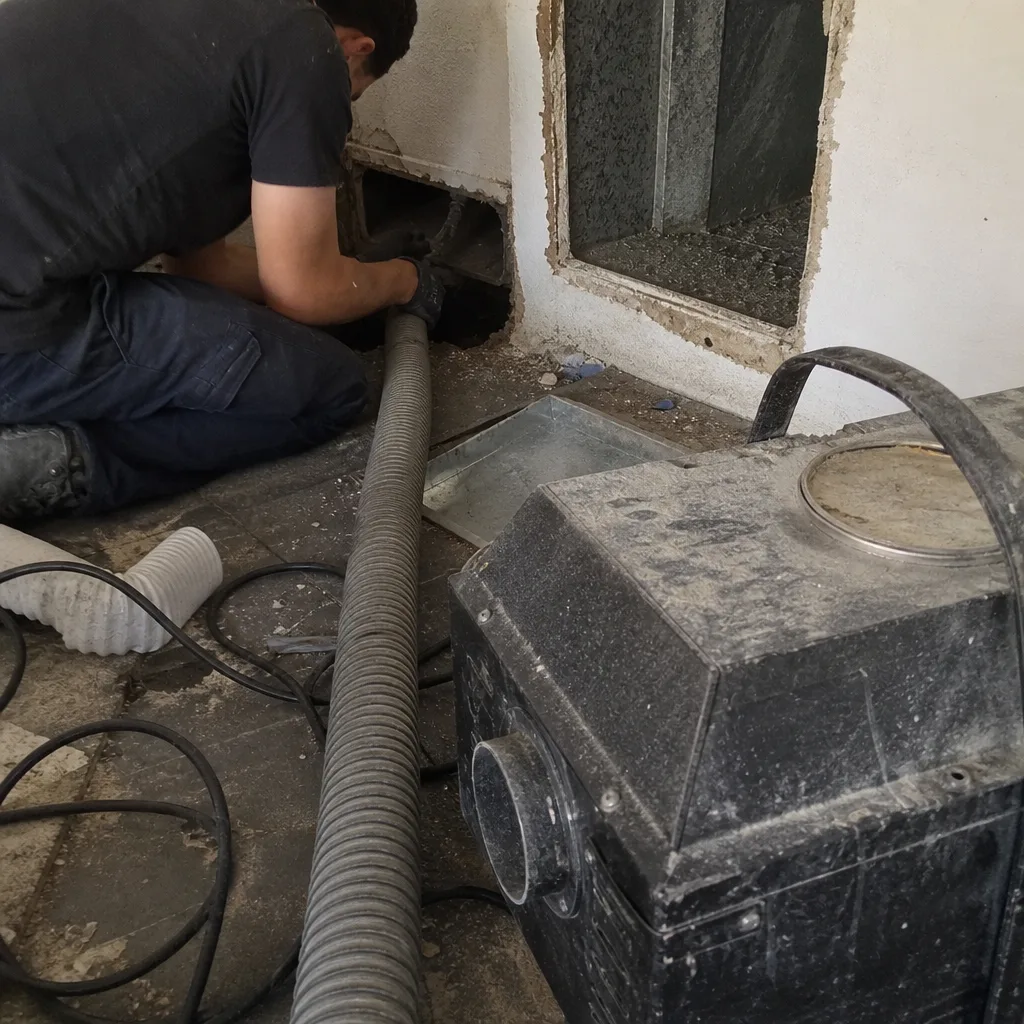
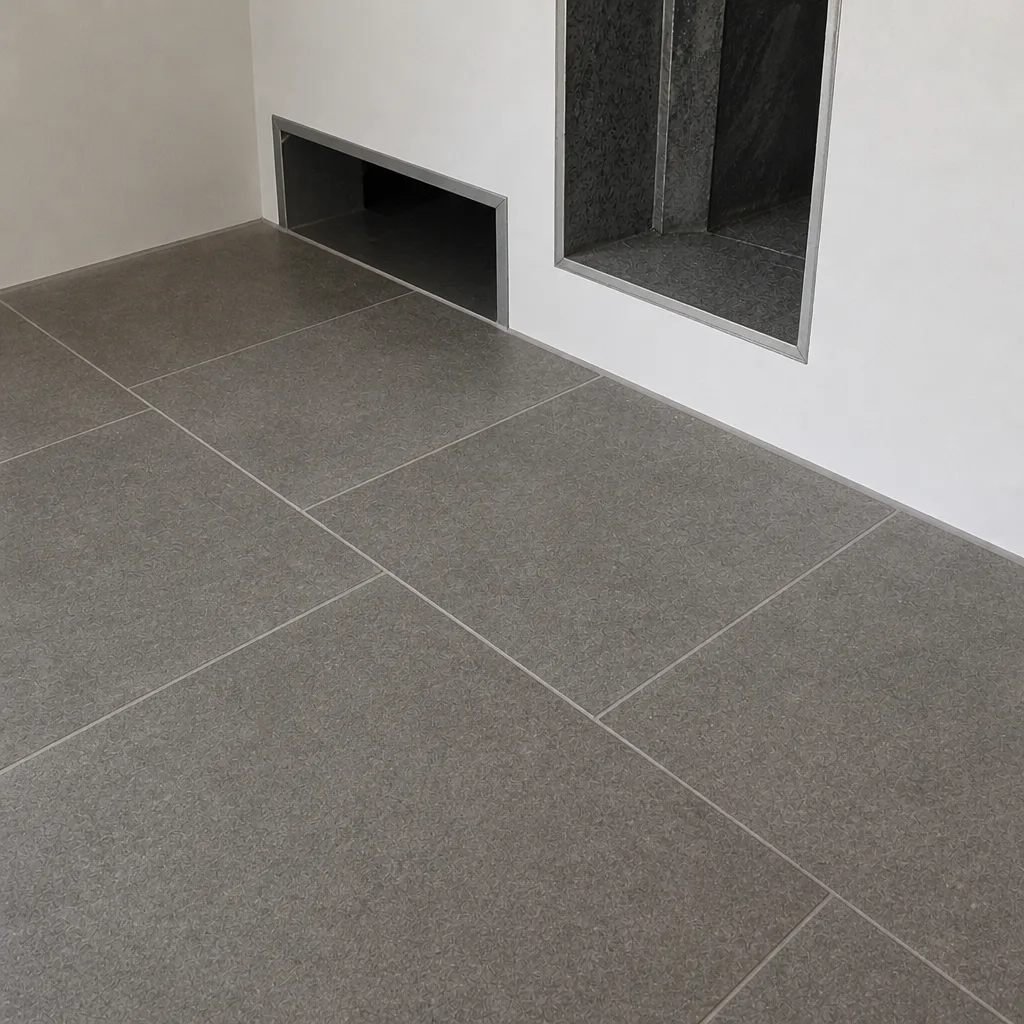
Whole-system duct and dryer vent check with before-and-after photos - you see exactly what came out of your vents
That "$99 whole-house special" is a bait ad - the real number appears once they are in your hallway, or the "clean" is a shop-vac at the register. We photograph the inside of your ducts before and after instead.
Air Duct Cleaning Troubleshooting in West Valley City: Common Problems and How to Fix Them
If your HVAC system passed its last inspection but one room still won’t cool below 78°F, the problem almost certainly isn’t your equipment – it’s hiding inside the ductwork itself. That’s the counterintuitive part most homeowners miss. A furnace and condenser can test perfectly at the unit and still deliver weak, musty, or uneven air because the ducts feeding each room are crushed, leaking, or coated in debris. This guide treats duct troubleshooting as a diagnostic problem you can narrow down yourself, using symptoms, airflow tests, and your utility bill trend as evidence. We’ll walk through the debris profiles unique to West Valley City, the smell matrix, camera inspections, and the exact point where a cleaning problem becomes a mechanical one.
Quick Answer
Most air duct problems in West Valley City trace back to one of three root causes: accumulated debris and biofilm from the valley’s alkaline dust and heavy summer particulate load, physical damage like crushed flex duct or a failed damper, or air leakage at joints and seams. You can separate cleaning problems from mechanical problems by running simple airflow and temperature tests at your registers before calling anyone. A camera inspection shows which one you’re dealing with and should always come before cleaning begins.
Styles & brands we work with
- Whole-home duct cleaning
- Dryer vent cleaning
- Camera inspection
- Sanitizing & deodorizing
Table of Contents
- Cleaning Problem vs. Mechanical Problem: How to Tell the Difference
- Why West Valley City’s Alkaline Dust Creates a Different Kind of Debris
- Airflow Tests You Can Run Yourself Before Calling Anyone
- The Smell Matrix: What Each Odor Tells You
- Reading Your Utility Bill Trend as a Duct Diagnostic
- When a Camera Inspection Is the Right First Step
- Dryer Vent Problems That Mask as Duct Problems
- When Ducts Need Repair, Not Just Cleaning
Cleaning Problem vs. Mechanical Problem: How to Tell the Difference
Before you call anyone, you need to know what kind of problem you’re facing. Cleaning problems involve debris, dust, biofilm, or contaminants coating the interior of the ductwork. Mechanical problems involve the ducts themselves failing – crushed flex runs, disconnected joints, dampers stuck closed, or sagging sections that block airflow. These are different jobs and different conversations. A cleaning won’t fix a crushed duct, and a repair won’t remove years of accumulated debris from a system that’s still breathing fine.
Here’s the distinction in practice. If every room gets weak airflow, that points toward a system-wide issue – a dirty main trunk, a failing blower, or widespread leakage. If one or two rooms struggle while the rest are fine, that’s almost always a mechanical problem in the branch feeding those rooms. A crushed flex duct in a West Valley City attic, for example, kills airflow to one register and nothing else. Cleaning the entire system won’t touch it.
The third possibility is contamination without blockage. The air moves fine, but it smells. That’s a cleaning job, or a repair job if moisture is getting in somewhere it shouldn’t. We’ve seen plenty of West Valley City homes where a small roof leak or a condensation problem in the attic fed a biofilm growth inside a duct run, and the airflow reading was perfectly normal the whole time.
Work through this checklist mentally before you pick up the phone:
- Every register weak – system-wide debris, main trunk blockage, or a failing blower
- One or two registers weak – a branch-level mechanical problem, usually a crushed or disconnected run
- Strong airflow but bad smell – contamination, biofilm, or something dead in the duct
- Good airflow, but rooms too hot or cold – leakage, damper position, or balancing issues
That initial sorting gets you most of the way to the right answer. What follows is how to confirm it with tests you can run yourself.
Why West Valley City’s Alkaline Dust Creates a Different Kind of Debris
Dust isn’t uniform. The particulate that settles into West Valley City ductwork carries a different profile than what you’d find in a humid, vegetated climate. The valley’s soil is alkaline, and the summer particulate load – dry, fine, and persistent – means debris accumulates at a different rate and with a different composition than typical household dust in wetter regions. It behaves differently once it’s inside a duct.
Alkaline dust tends to be finer and more abrasive. It migrates further into the system than heavier organic debris, coating blower wheels and settling into the return plenum where airflow is slowest. It also clings to surfaces when humidity rises, forming a crust that doesn’t blow loose the way loose dust does. That crust is what makes some West Valley City systems feel like they’re working harder than their age suggests.
The practical consequence is this: a duct system in West Valley City can look clean at the register grille and still be carrying a fine alkaline coating along the runs. The visible dust at the grille isn’t the problem – it’s the coating further in. That’s one reason professional-grade equipment matters more here than in milder climates. Consumer shop vacuums and brush attachments don’t break up that crust the way a proper agitation and negative-pressure system does.
We use Rotobrush and Nikro professional duct-cleaning platforms for exactly this reason. These are the same systems specified in commercial and restoration work, and they’re built to handle the kind of bonded particulate that builds up in homes along the west side of the valley. If you’re curious about what a proper clean involves, our air duct cleaning page walks through the equipment and process.
This matters when you’re comparing quotes. A low quote for “duct cleaning” in West Valley City often turns out to be a quick vacuum job that doesn’t address bonded debris. The dust comes back in a few weeks and the homeowner assumes cleaning doesn’t work. It wasn’t the cleaning that failed – it was the equipment.
Airflow Tests You Can Run Yourself Before Calling Anyone
You can narrow down a duct problem without any tools beyond a tissue, a thermometer, and a few minutes per register. These tests won’t tell you everything, but they’ll tell you whether you’re dealing with a system-wide problem or a branch-level one, and whether the issue is airflow or temperature.
Step 1: The tissue test. Hold a single-ply tissue against each supply register while the system is running. It should be pulled firmly against the grille. If it flutters weakly, you’ve found a low-flow register. If it barely moves, that register is nearly starved. Note which registers fail – the pattern tells you more than any single reading.
Step 2: The temperature drop test. Use a simple thermometer at each register, in cooling mode, after the system has run for at least ten minutes. Compare readings. A register blowing noticeably warmer than the others on the same floor suggests a long, leaking, or crushed run serving it.
Step 3: The return-air check. Hold the tissue against the return grille. It should be pulled in strongly. Weak return airflow is a different problem than weak supply – often a blocked or undersized return, or a filter that’s overdue.
Step 4: The door test. Close interior doors and listen for whistling at the gaps. Whistling at a closed door means the room has supply air but no return path, which builds pressure and starves the system. That’s an airflow design issue, not a cleaning issue.
Run all four tests and write down what you find. A single weak register in one bedroom is a different problem from all four weak registers on the main floor. Bring that pattern to the conversation when you call, and you’ll get a much more useful answer than “my air doesn’t feel strong.”
The Smell Matrix: What Each Odor Tells You
Odor is diagnostic. The kind of smell coming from your vents tells you what’s inside the ductwork and what kind of response it needs. Not every smell is a cleaning problem, and not every cleaning problem is something a cleaning address.
Musty, damp, or earthy smell. This indicates moisture and biofilm growth. It’s a cleaning problem, but only after you find and fix the moisture source. Cleaning growth without addressing the source means it returns. In West Valley City, moisture in ductwork usually traces to a roof leak, a condensation problem in the attic, or a humidifier issue.
Dead animal smell – sharp, decayed, unmistakable. Rodents and birds get into ductwork through gaps in the attic and rim joists. This is a removal problem, not a cleaning problem. The animal has to be removed first, then the affected section cleaned. An air duct repair visit is often the right call because whatever gap let the animal in needs closing.
Burnt or acrid smell. This can mean debris sitting on a heat exchanger, a failing blower motor, or wiring in the air handler. Stop using the system and have an HVAC technician look at it. Burnt smells are an HVAC service problem, not a duct cleaning problem, and they can indicate a genuine safety issue.
Chemical or solvent smell. Off-gassing from new building materials, paint, furniture, or cleaning products circulates through the system and can linger in ductwork. This is a ventilation and filtration problem more than a cleaning problem. Higher-grade filtration, like what Aprilaire systems provide, is often the better answer here.
Sour or dirty-sock smell. This is usually a contaminated evaporator coil or a wet air handler – the air passes over it before it reaches your ducts. Cleaning the ducts alone won’t fix it. The coil needs cleaning, which is HVAC work, not duct work.
Sorting the smell is half the diagnosis. If you’re unsure, a camera inspection resolves the ambiguity quickly.
Reading Your Utility Bill Trend as a Duct Diagnostic
A single high utility bill means nothing. Bills swing with weather, occupancy, and rate changes. What matters is the trend over several months or a couple of years. A gradual, sustained climb in heating and cooling costs – faster than the seasonal swing would explain – is one of the clearest signals of duct leakage or contamination.
Duct leakage and duct contamination show up differently in the trend. Leakage typically produces the sharpest climb, because you’re paying to condition air that’s escaping into the attic or crawlspace before it ever reaches a room. In West Valley City’s dry summer heat and cold winter nights, the gap between conditioned air and attic air is wide, so leakage hurts more than it would in a mild climate. Contamination produces a slower rise – the system runs longer to move the same air through a restricted duct, but the effect is more gradual.
Here’s how to read the trend:
- Pull 12-24 months of bills. Most utilities let you download this from your online account.
- Plot the trend, not the monthly number. Compare the same months year over year – August to August, January to January.
- Adjust for rate changes. Utilities raise rates; check whether the rate change alone explains the difference.
- Adjust for household changes. A new baby, a home office, or a house full of relatives will move the numbers.
- Look for the step. A sudden step up in usage that doesn’t correspond to a weather event or household change is the most useful signal of all – it usually points to a change in the system, not the weather.
If your trend shows a sustained climb that weather and occupancy can’t explain, the ducts are a strong suspect. That’s a good moment to run the airflow tests above and see whether a camera inspection makes sense. It’s also worth comparing to neighbors with similar homes – if your bills are clearly out of line with comparable houses nearby, that’s a signal too.
When a Camera Inspection Is the Right First Step
A camera inspection is the right first step when the symptom is ambiguous – when you suspect contamination but can’t confirm it, or when a mechanical problem is possible but you haven’t located it. It’s also the right first step when someone quotes you a cleaning without having looked inside the ductwork. That’s a red flag on its own. Nobody should price a cleaning job without seeing what’s being cleaned.
What the footage should actually show you before any cleaning begins:
- The inside surfaces of the main trunk and several branch runs, not just the register openings
- The return plenum and blower compartment, which is where the worst debris usually lives
- Any joints, sagging sections, or transitions – the places where flex duct fails
- The condition of the lining – whether the interior material is intact or degrading
What the footage shouldn’t be is a single clip of the dustiest corner in the house presented as proof the entire system needs cleaning. That’s how the low-quote bait-and-switch works: the camera is used as a sales tool rather than a diagnostic one. A proper inspection shows you the whole system and lets you see what the cleaning will actually address.
When we inspect a West Valley City home, we’re looking for three things: bonded debris that warrants cleaning, physical damage that warrants air duct repair, and moisture indicators that warrant attention before either. All three questions get answered before a quote gets written. That’s how a proper diagnostic works.
Dryer Vent Problems That Mask as Duct Problems
A surprising number of “duct problems” homeowners report turn out to involve the dryer vent, not the HVAC ductwork. The two systems are separate but they share a symptom profile – poor airflow, warmth where warmth shouldn’t be, and rising utility costs – so they get conflated.
How to tell them apart. If your clothes take longer than usual to dry, if the dryer cabinet feels hot to the touch, or if you notice a damp, warm smell in the laundry room, the dryer vent is the likely culprit. If the problem is uneven room temperatures or poor airborne-airflow at registers, the HVAC ducts are the more likely source. Utmost important: a restricted dryer vent is a fire-safety issue, not just an efficiency annoyance. When lint builds up in the vent, the heat from the dryer can ignite it. That’s a real, documented failure mode, not a scare tactic.
We treat dryer vent cleaning as a fire-safety task first and an efficiency task second. The tools matter – proper dryer vent cleaning requires more than a brush on a vacuum hose. Abatement Technologies equipment is part of our setup because contamination-sensitive cleaning scenarios demand it, and dryer vents qualify. If you’re not sure which system is causing your symptoms, say so when you call and we can help you narrow it down.
When Ducts Need Repair, Not Just Cleaning
Cleaning and repair are different jobs, and the wrong one won’t fix the problem. Cleaning addresses contamination. Repair addresses the physical integrity of the ductwork itself. In older West Valley City homes, and especially in homes where flex duct has been run across hot attics, both problems often appear together.
The signs that you’re facing a repair problem rather than a cleaning problem:
- Visible damage at registers – disconnected collars, crushed sections, or torn duct insulation
- Airflow that doesn’t improve after cleaning – the debris is gone but the weak registers remain
- Sagging or kinked runs – flex duct that has lost its shape and is restricting airflow
- Air leakage at joints – you can feel air escaping near the furnace or in the attic
- Damper failures – zones that won’t respond no matter what you do at the thermostat
This is where focused specialty matters. Many cleaning companies stop at cleaning and leave damaged ductwork behind, which means the efficiency loss continues even though the ducts look clean. We repair what others walk past – that’s the whole point of offering duct repair as a service line. If the inspection finds damage, the repair can be addressed in the same service relationship rather than referring you out to a separate contractor.
West Valley City’s climate adds a specific pressure point. Attic temperatures swing hard between summer and winter, and flex duct run across an unconditioned attic takes that swing with it. Over years, the material fatigues and the run sags. That’s not a manufacturing flaw or a cleaning failure – it’s just a physical reality of the local housing stock. If you suspect damage, our page on West Valley City service covers how we approach it.
Common Mistakes to Avoid
- Accepting a cleaning quote before anyone has looked inside the ducts. A quote without an inspection is a guess, and it’s usually a low guess designed to get a foot in the door. Ask what the inspection found before you agree to anything.
- Assuming every problem is a cleaning problem. A crushed flex duct in a West Valley City attic won’t be fixed by cleaning any more than a flat tire is fixed by washing the car. Diagnose first, then decide what service you actually need.
- Ignoring the utility bill trend. A single high bill is noise. A sustained climb over two years is signal. Read the trend before you spend anything on service.
- Letting a restricted dryer vent go. This is a fire-safety issue, not a maintenance afterthought. If your clothes are taking longer to dry, get the vent checked.
- Choosing the cheapest quote without asking what equipment the company uses. Consumer-grade vacuums don’t break up bonded alkaline dust the way professional Rotobrush and Nikro systems do. The cheapest quote often reflects the equipment, not the value.
- Cleaning before fixing a moisture problem. If there’s a leak feeding biofilm growth in the ductwork, cleaning without addressing the moisture means the growth returns. Find the source first.
- Treating a burnt smell as a duct problem. Burnt smells point toward the HVAC equipment, not the ducts. Stop using the system and have an HVAC technician look at it.
See the difference
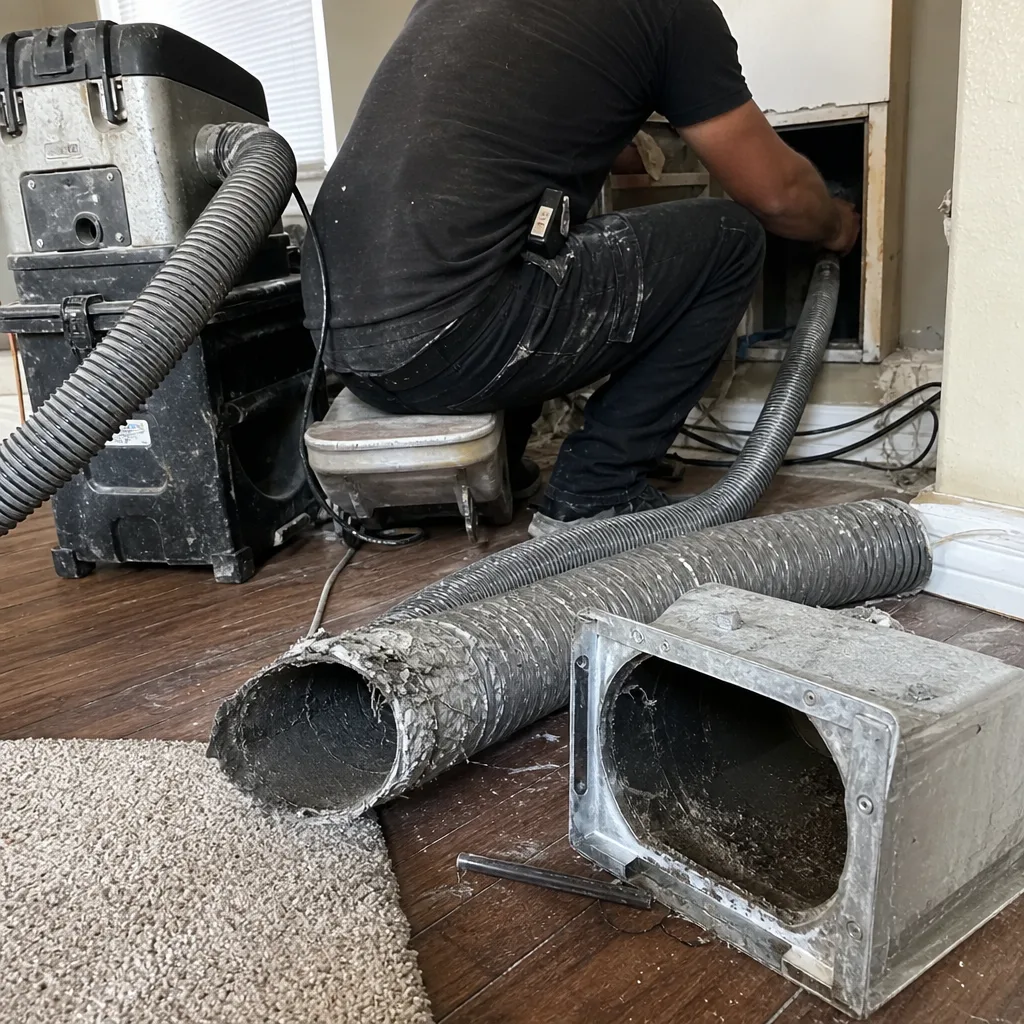 Before
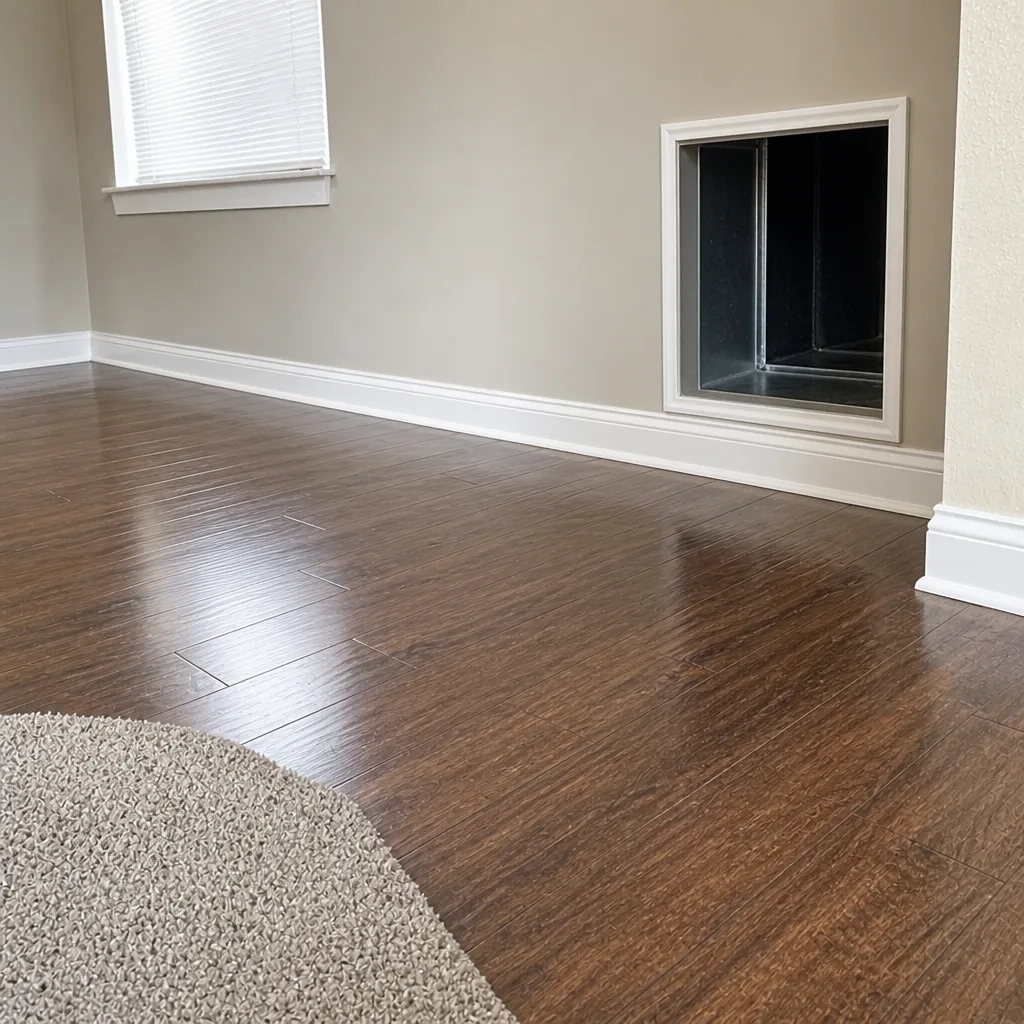 After
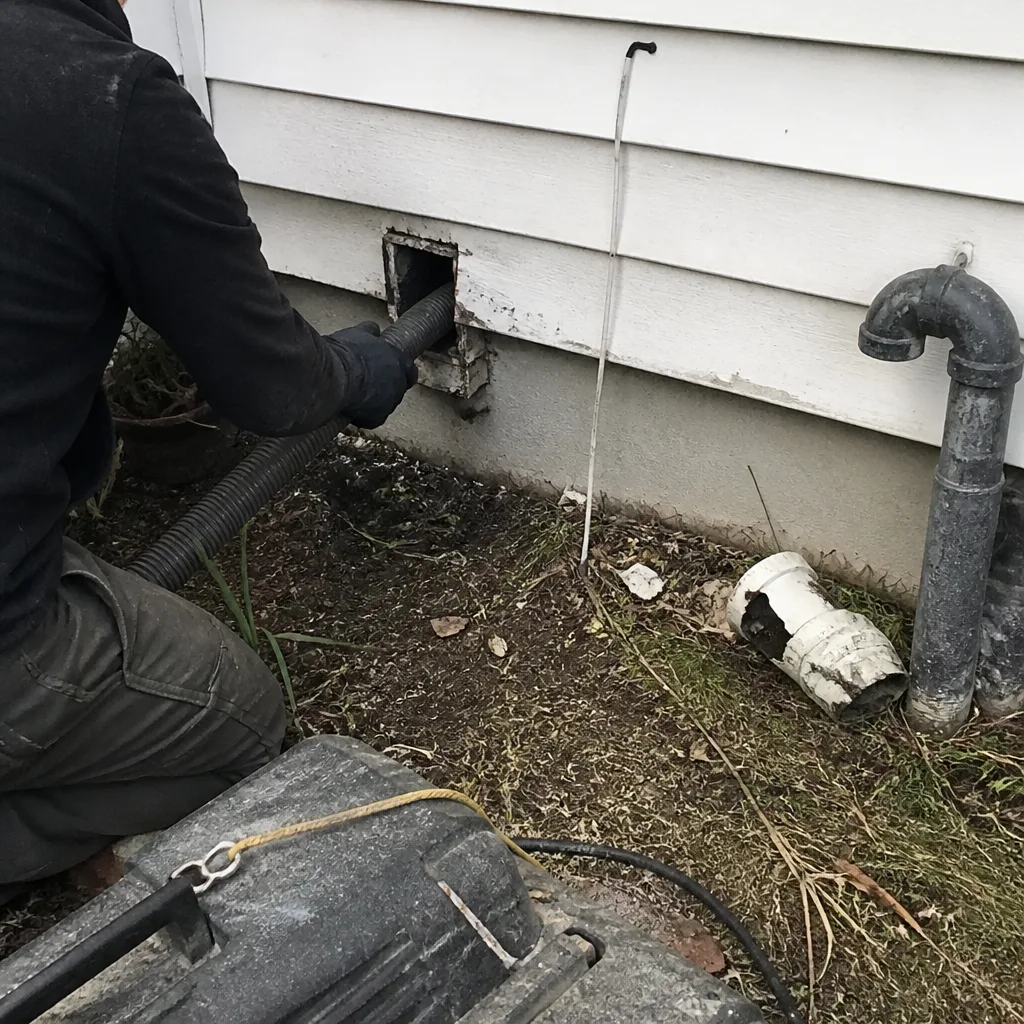 Before
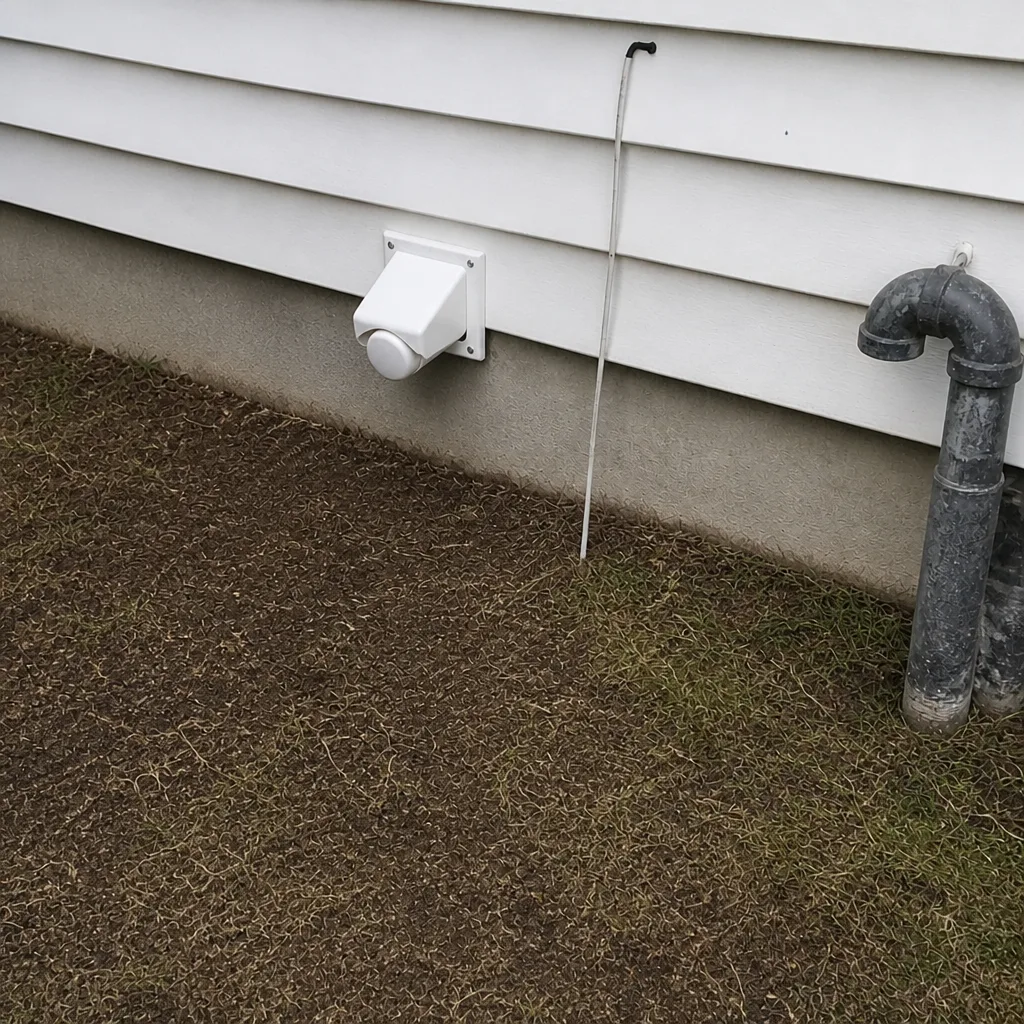 After
 Before
 After
When to Call a Professional
Call a professional when the airflow tests show a pattern you can’t explain, when the utility bill trend shows a sustained climb, when you smell something unfamiliar from the vents, or when the camera inspection reveals damage. Call sooner if you smell burnt debris – that’s an HVAC service issue that shouldn’t wait. Call within days, not weeks, if your clothes are taking longer to dry, because a restricted dryer vent is a fire risk.
Call us sooner if you’ve had a quote from someone who never looked inside the ductwork. That’s the single biggest red flag in this trade, and the diagnostic approach we’ve laid out here is the antidote to it.
Oakridge Air Duct Cleaning offers free estimates in West Valley City – call (833) 749-0886. We answer 24/7. Fast dispatch from 7am to 7pm, Sunday through Friday. The estimate is free and the price is set per job by the written estimate.
Frequently Asked Questions
Air duct cleaning in West Valley City is priced per job, not per vent, based on the size and configuration of the system and what the inspection finds. The written estimate sets the final price, and the estimate itself is free. Call (833) 749-0886 for an exact quote.
Cheap quotes usually reflect consumer-grade equipment or a cleaning that only addresses what’s visible at the register. Bonded alkaline dust and biofilm require professional agitation and negative-pressure equipment to remove properly. A low quote that doesn’t include that equipment is a different job than the one you probably need. Call (833) 749-0886 and we’ll walk you through what a proper clean involves.
Ask for before-and-after photos of your own ducts, taken during the job. A camera inspection at the start and a follow-up view at the end shows exactly what changed. If a company can’t show you that, you’re being asked to trust a claim instead of verify it. Call (833) 749-0886 to schedule an inspection.
There’s no fixed schedule. The right interval depends on the debris load, whether pets or allergies are in the home, and whether contamination or damage shows up in inspection. In West Valley City’s dusty climate, many homes benefit from a check every few years. Call (833) 749-0886 for a diagnostic look at your specific system.
It can, if the problem is debris restricting airflow to that room. It can’t if the problem is a crushed flex run or a failed damper – that needs air duct repair. The airflow tests in this guide will tell you which you’re dealing with before you spend anything. Call (833) 749-0886 if you’d like a professional inspection.
Musty smells usually indicate moisture and biofilm growth in the ducts, which is a cleaning problem, but only after the moisture source is found and fixed. Cleaning growth without addressing the source means it comes back. Call (833) 749-0886 and we’ll help you trace the source.
The Bottom Line
Duct troubleshooting is a diagnostic process, not a sales pitch. Start with the airflow tests and the utility bill trend. Sort the smell using the matrix above. Use a camera inspection to confirm what you’re facing before anyone quotes you a cleaning. Then decide whether you’re looking at a cleaning problem, a repair problem, or an HVAC problem – because the wrong service won’t fix the right problem. West Valley City’s alkaline dust and heavy summer particulate load make some of these issues more likely than in milder climates, but the diagnostic method doesn’t change. At Oakridge Air Duct Cleaning, we work with professional Rotobrush and Nikro equipment and a narrow three-service menu because focused capability beats generalist coverage. If you’d like a free estimate, call (833) 749-0886. We answer 24/7. Fast dispatch from 7am to 7pm, Sunday through Friday. The estimate is free and the price is set per job by the written estimate.
Written by the team at Oakridge Air Duct Cleaning.