
Honeywell Air Duct Cleaning in West Valley City: A Homeowner’s Guide
Here’s the mistake we see most often: someone buys a premium Honeywell media filter or a Honeywell UV system, has it installed, and then assumes the ductwork downstream no longer matters. It absolutely does. A high-MERV filter sitting above a plenum packed with debris is like running a fine sieve under a mudslide. The filter does its job, but it’s fighting a losing battle. If you’ve searched for Honeywell air duct cleaning in West Valley City, you’re probably trying to solve an indoor air quality problem. The good news is the answer usually starts with the ducts, not a new gadget.
If you’d rather not sort through the technical details yourself, call (833) 749-0886. We answer 24/7. Fast dispatch from 7am to 7pm, Sunday through Friday.
What Does Honeywell Actually Make That Affects Your Air Quality?
Honeywell is an HVAC controls and air-quality products company. It does not clean ducts. This matters because the name shows up in local searches for duct cleaning when the homeowner is really describing a filtration or air-quality system they already own. Here’s what each Honeywell product category actually does, and doesn’t do.
- Thermostats and controls. These tell your HVAC equipment when to run. They don’t move air or filter it, but a well-programmed thermostat determines how many hours your system spends pulling air through the filter and ductwork each day.
- Whole-home media air cleaners. These are the large, thick pleated filters mounted at the return plenum. They trap a meaningful share of airborne particles, but only if the surfaces around and upstream of them are reasonably clean.
- UV and UV-C systems. These are installed in the air handler or ductwork to help control microbial growth on coil surfaces and nearby material. UV light doesn’t remove dust, debris, or settled particulate from duct walls.
- ERVs and HRVs (energy and heat recovery ventilators). These bring in fresh outdoor air and exhaust stale air. The core and the filters inside them need service, but the supply ducts serving your home are a separate system entirely.
None of these products clean ductwork. They work best when the ductwork itself is clean. That’s the sequencing problem we’ll come back to throughout this guide.
Why Does a Honeywell Filter Struggle When Your Ducts Are Dirty?
A Honeywell media filter’s job is to capture particles from the air passing through it. When the surfaces upstream of that filter, including the return plenum and the return trunks feeding it, carry heavy debris loads, two things happen. First, the filter loads faster than it should because it’s intercepting particles that should have been captured at the return grille or simply never been there. Second, any settled debris in the supply trunks gets redistributed through the house every time the blower cycles, so the filter is working on particles a duct cleaning could have addressed at the source.
The result is a system operating well below its design efficiency even though the filter itself is doing exactly what it was built to do. In our experience, the most common pattern is a homeowner replacing a Honeywell filter far more often than they should because the upstream ductwork is loaded. A new filter every few weeks is a red flag worth investigating.
West Valley City’s winter inversion periods concentrate airborne particulate in the valley, and homes here rely on their HVAC systems running more heavily during those stretches. That combination loads both the ducts and the filters faster than a homeowner might expect.
Can You Install a Honeywell Filter on Dirty Ducts, or Should You Clean First?
Clean first, install second. This is the correct sequence and it rarely gets stated clearly. If you’re adding or replacing a Honeywell media air cleaner, service it and the surrounding ductwork in the right order so the filter is protecting clean surfaces rather than trying to compensate for dirty ones.
Here’s how we think about the sequence:
- Inspect and clean the return ductwork. The return trunks and plenum feeding the filter are where loading matters most. Get these surfaces clean before the new media goes in.
- Clean the supply trunks and registers. This clears any settled debris that would otherwise be redistributed each time the system runs.
- Then install or service the filter. With clean upstream surfaces, the new media filter starts capturing what it was designed to capture, and it lasts as long as it should.
- Set a realistic replacement reminder. Honeywell media filters should be replaced on a schedule set by the manufacturer and adjusted for your home’s actual load. That’s usually measured in months, not weeks, when the upstream surfaces are clean.
We service and work with Honeywell and Aprilaire air-quality products because both brands are industry standards for this equipment category. When we’re called in for a duct service on a home with a Honeywell system, that filter stage is part of what we look at.
How Do You Read a Honeywell Filter as a Duct-Load Indicator?
Next time you pull your Honeywell media filter to replace it, look at both faces before it goes in the trash. Heavy loading on the upstream face (the side facing the return air) tells you the return system is carrying a lot of debris. What’s more telling is a filter that is loaded unevenly, with darker patches on one side of the media than the other. That pattern suggests air is entering the filter face at different rates, which can point to a return duct with a restricted or collapsing section, or a plenum whose baffling is not distributing air evenly across the full media face.
Very light loading is its own signal. If the filter looks barely used after a full replacement interval, fewer particles are reaching it than expected, which can mean a disconnected or bypassed return, or a filter housing that isn’t sealed against the duct frame. That last one is common and easy to miss.
None of these readings replaces a proper inspection of the ductwork itself. But they’re free information every time you change the filter, and worth noting for the next service visit. In West Valley City homes, where the heating season runs long and the cooling season adds its own hours of runtime, those filter readings carry real signal.
What Should a West Valley City Homeowner Ask a Duct Cleaning Company to Inspect?
When you call a cleaner, ask these specific questions. The answers tell you whether they understand your Honeywell system or are just opening a vacuum hose.
- Can you inspect the filter housing seal and the bypass path around the media? A filter that doesn’t seal tightly against its frame lets unfiltered air slip past it. That matters more than the filter’s MERV rating.
- How do you handle the return plenum above the air handler? On most Honeywell whole-home media filter installations, that plenum is the dirtiest single surface in the system. It needs direct attention.
- Do you clean the supply trunks all the way to the registers? Not just the main trunk. Registers and the branch runs behind them accumulate debris that never gets addressed by a hose at the supply plenum.
- Do you offer duct repair if you find disconnected or crushed sections? A crushed return duct is common in finished basements. If a cleaner stops at cleaning and can’t repair what they find, the efficiency loss continues.
- Will you photograph the ductwork before and after? Ask for images of your own ducts, not a portfolio. It’s the fastest way to confirm the work was actually done.
That last point addresses the drift between “the filter runs quieter now” and “the ductwork is genuinely clean.” The only honest proof is photos of the surfaces you paid to have cleaned.
When to Call a Pro vs. When to Just Change the Filter
Not every dust complaint requires a full duct cleaning. If your Honeywell filter is loading normally and your registers have no visible dust accumulation, a filter change and a register wipe-down are reasonable. Consider a professional inspection when you notice any of these:
- The filter loads visibly in weeks rather than months.
- Dust builds up around supply registers even after repeated cleaning.
- You notice a musty or stale smell when the system first starts up.
- You’re seeing debris or visible buildup inside the return grilles.
- Your HVAC technician has flagged dust in the air handler cabinet.
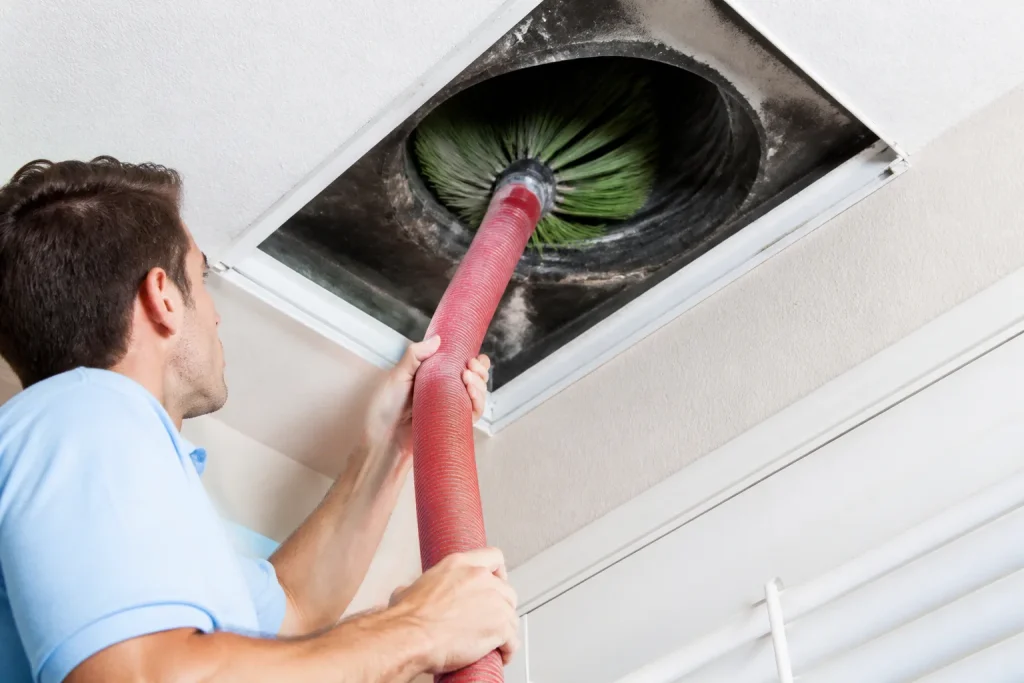
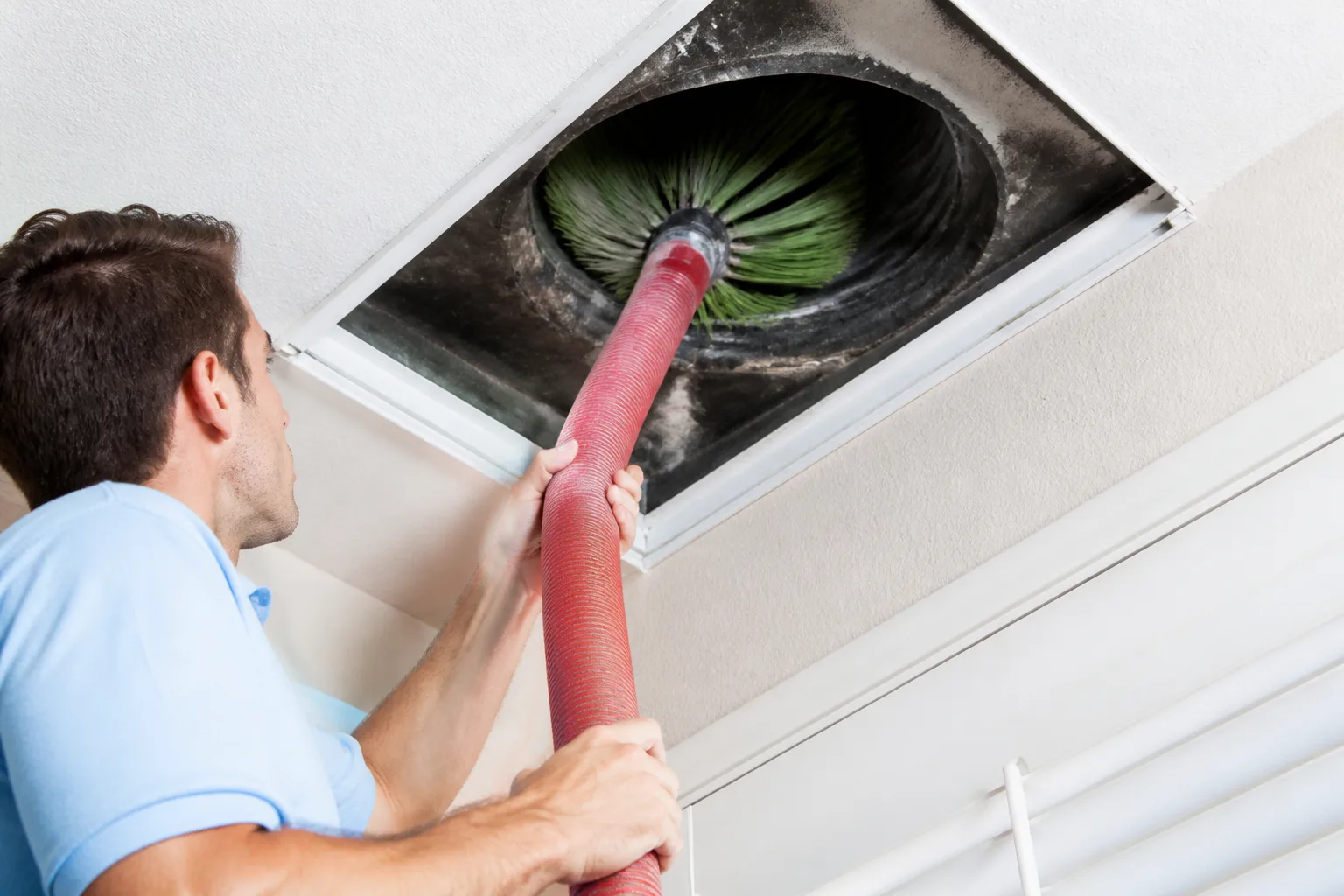
Those signs point to a duct-level problem, which is what Oakridge Air Duct Cleaning handles. Our technicians have up to 8 years of experience, and our work is focused on three services only: air duct cleaning, dryer vent cleaning, and air duct repair. That focus means every technician is trained on ductwork specifically. We use Rotobrush and Nikro professional systems, the same platforms used on commercial and restoration projects, and we also work with Abatement Technologies equipment for contamination-sensitive cleaning situations.
Related services in West Valley City: if your dryer is taking longer than it used to, or the lint trap fills faster than it used to, dryer vent cleaning is a separate but equally important call. And if a duct inspection turns up crushed or disconnected sections, that’s a repair, not just a cleaning.
You can read more about how we approach the work on our Oakridge Air Duct Cleaning page, or see the full guide to our West Valley City services.
Does a Honeywell UV System or ERV Change What You Need to Do?
Only slightly. A Honeywell UV system doesn’t capture particles; it addresses microbial growth on surfaces the light reaches. That means the ductwork still collects dust, and a UV lamp sitting in a debris-laden air handler is not going to make up for it. Keep the lamp serviced, keep the ductwork clean, and don’t expect one to substitute for the other.
An ERV or HRV adds an outdoor air path to the system. That brings its own intake filter and core that need servicing, and the fresh-air ductwork can accumulate environmental debris over time. In the West Valley City area, dust from nearby construction and soil during dry winds finds its way into these intake paths, which means they deserve a spot on your service checklist. We flag them as part of a full inspection when a Honeywell or Aprilaire ERV is in the system picture.
The Bottom Line
Honeywell makes excellent air-quality equipment, and none of it replaces the need for clean ductwork underneath and around it. The sequence that actually works: clean the ducts first, then service or install the Honeywell filter stage. Read your filter at replacement time as a free duct-load indicator. And when you choose a duct cleaning company, ask specifically how they handle the return plenum, the filter housing seal, and branches behind the registers. If they can’t answer those questions, they probably aren’t the right call.
If you’re in West Valley City and need help, Oakridge Air Duct Cleaning offers free estimates. Call (833) 749-0886. We answer 24/7. Fast dispatch from 7am to 7pm, Sunday through Friday. The written estimate sets the final price, and before-and-after photos of your own ducts are part of the work.
Frequently Asked Questions
No. Honeywell makes HVAC controls, media filters, UV systems and ventilation equipment. Duct cleaning is performed by independent duct cleaning companies. Honeywell products work best when the ductwork they serve is clean, but the cleaning itself is a separate service.
There’s no single schedule that fits every home. The honest answer is: inspect and decide. Homes in West Valley City that run their HVAC system heavily through long heating and cooling seasons, or that sit near active construction or dusty lots, tend to need attention sooner. If your filter loads visibly in weeks rather than months, that’s a signal to look at the ductwork.
Yes, when the upstream surfaces are cleaned first. A media filter’s efficiency depends on how clean the return plenum and return trunks are feeding it. Cleaning those surfaces before installing or replacing the filter lets the equipment work at its design point. Call (833) 749-0886 for an estimate.
Yes. We use professional-grade equipment including Rotobrush and Nikro systems, and we work with Honeywell and Aprilaire air-quality products regularly. Our scope is air duct cleaning, dryer vent cleaning, and air duct repair, so if we find a disconnected or crushed duct during inspection, we can address it in the same service relationship.
Written by the team at Oakridge Air Duct Cleaning.
Need Air Duct Cleaning Help?
Call Oakridge Air Duct Cleaning - licensed & insured, here with fast help in West Valley City.
(833) 749-0886