
Last updated November 14, 2026
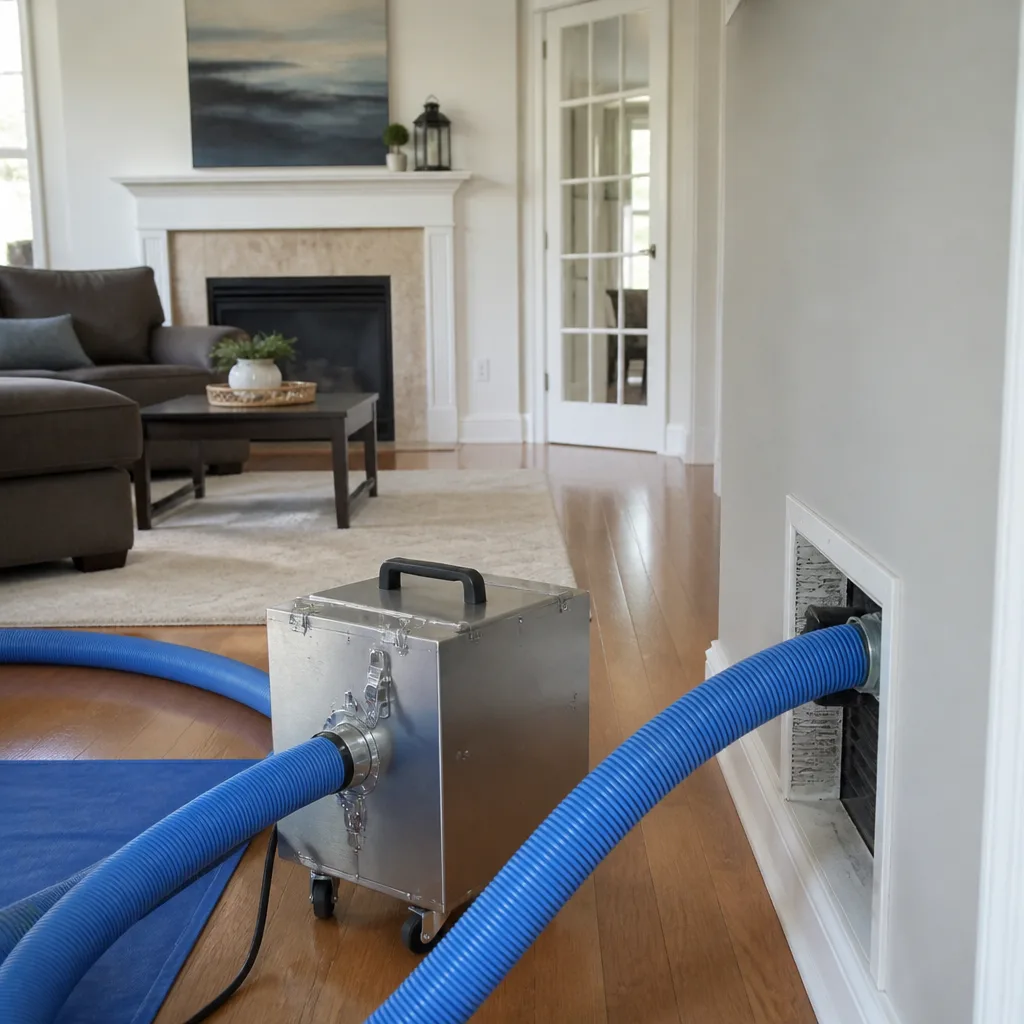 Whole-home duct cleaning
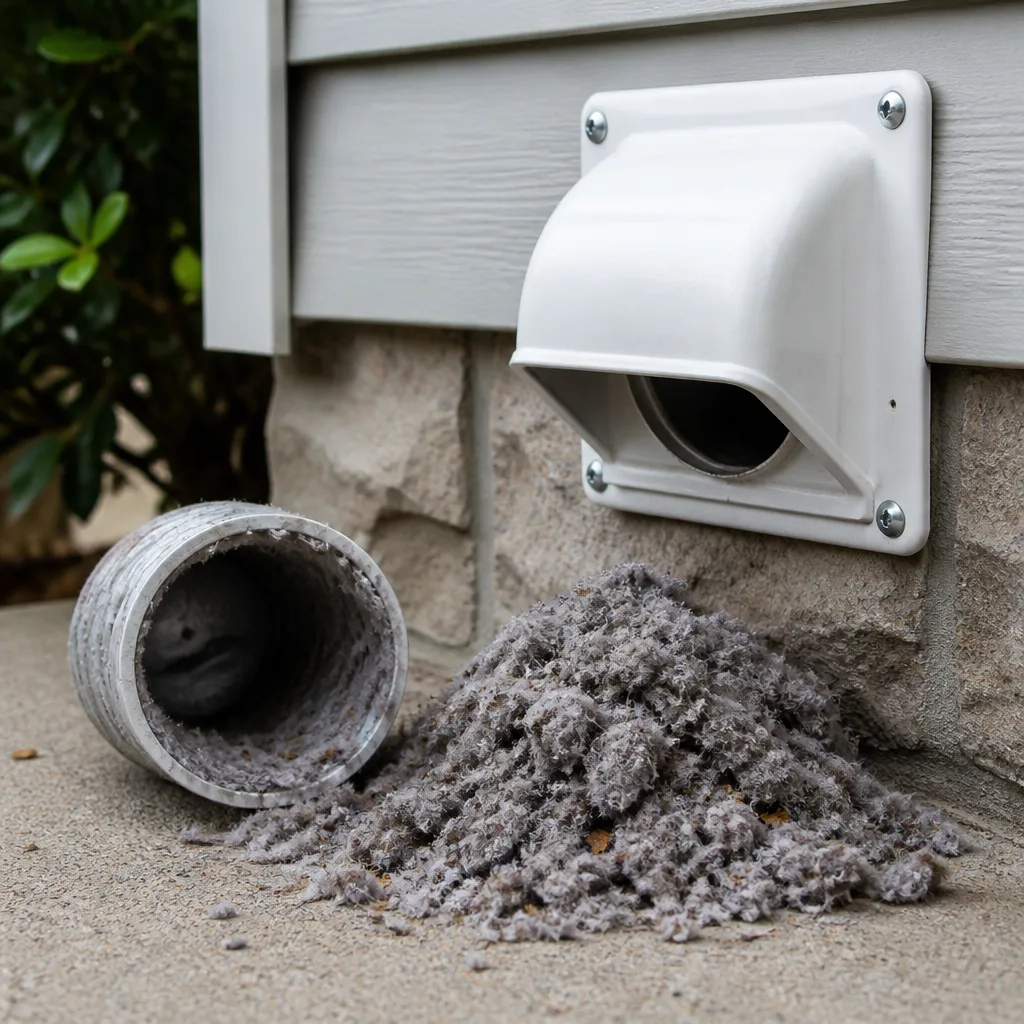 Dryer vent cleaning
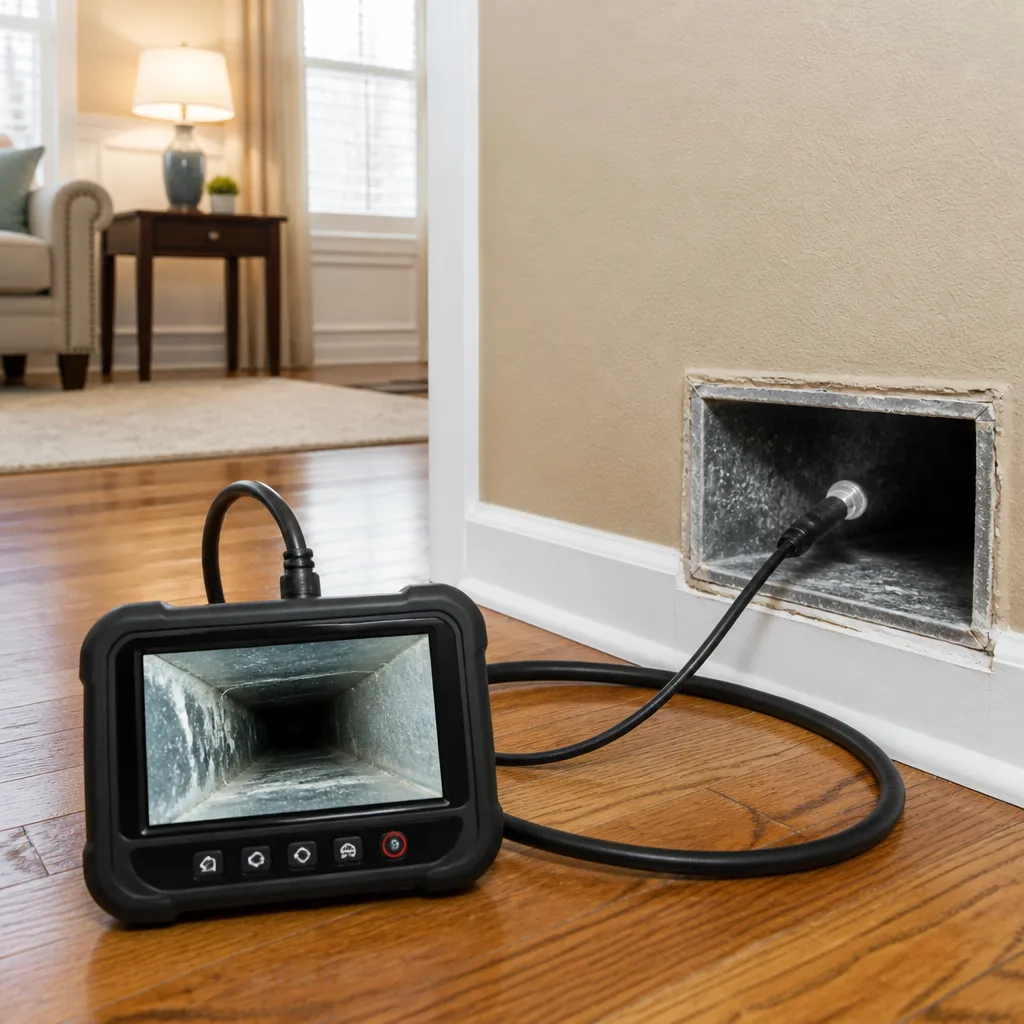 Camera inspection
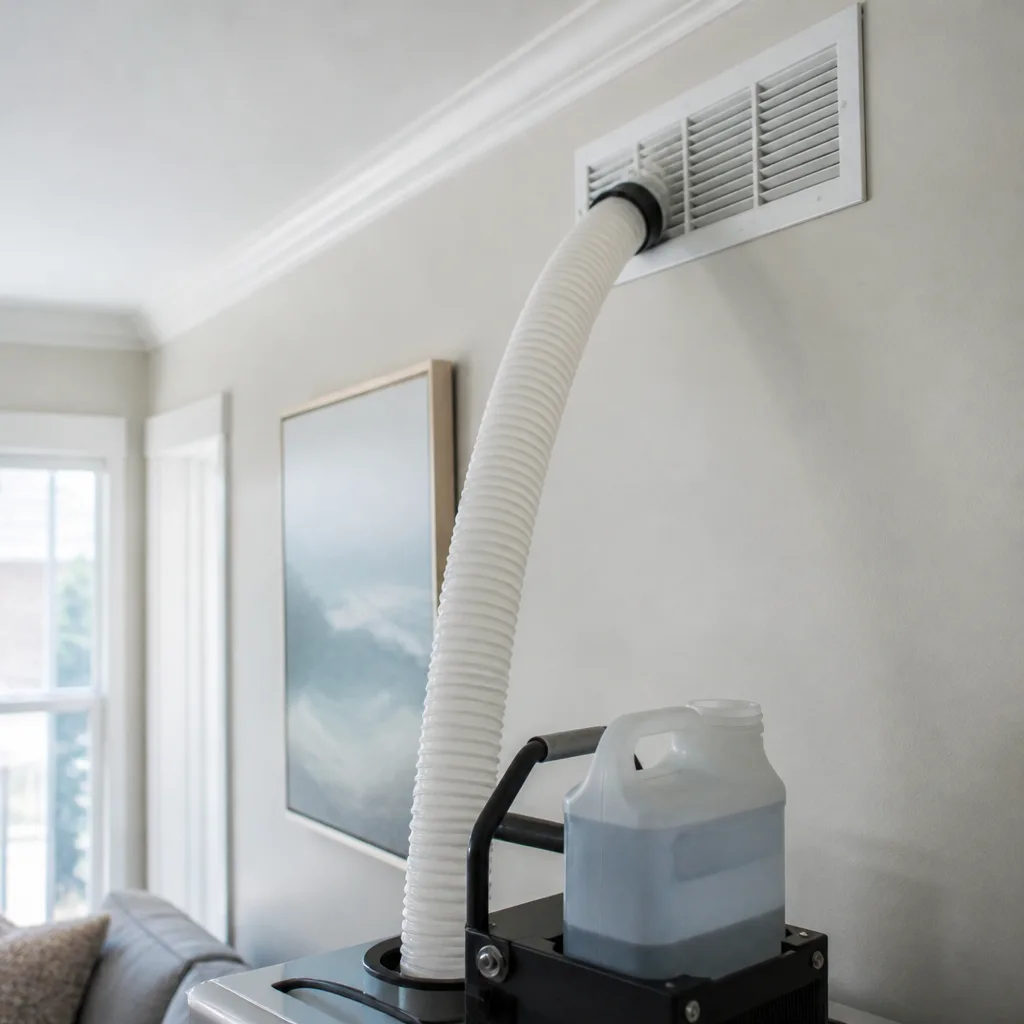 Sanitizing & deodorizing
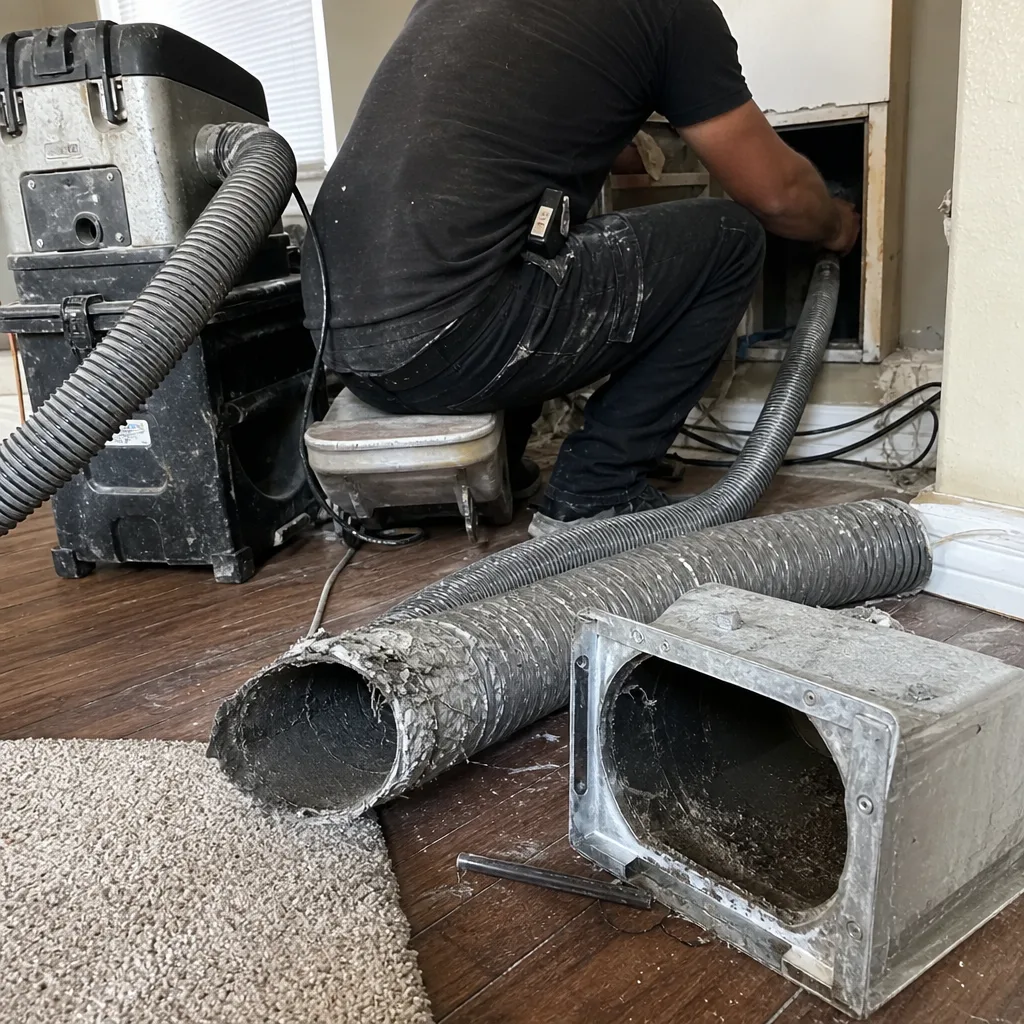
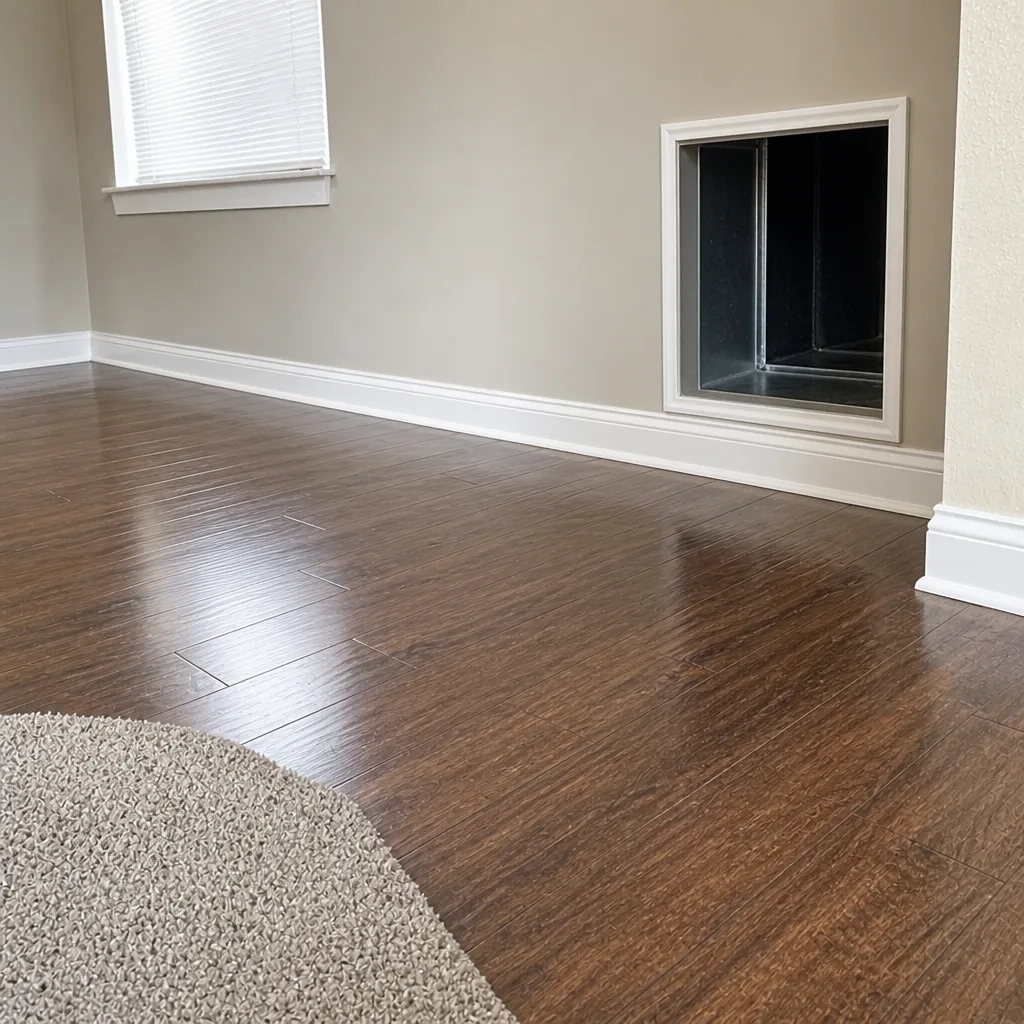
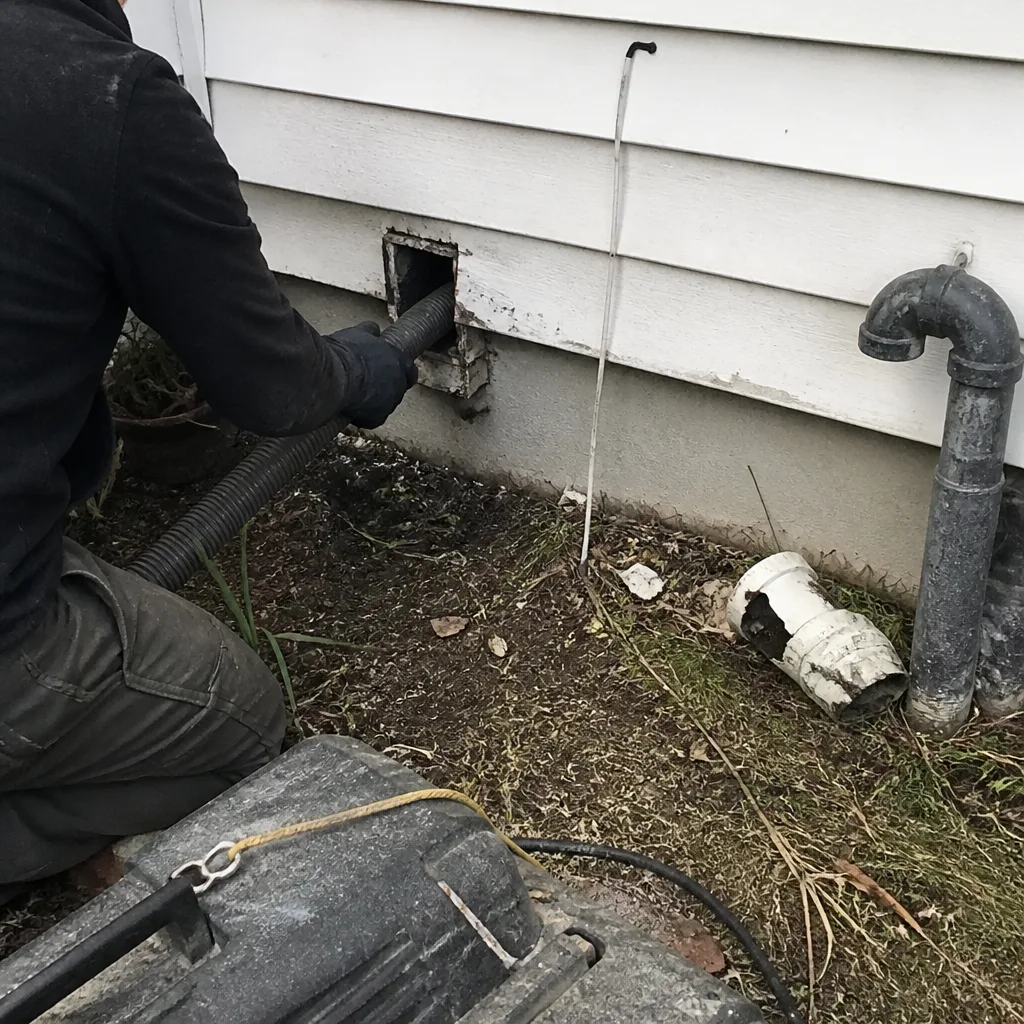
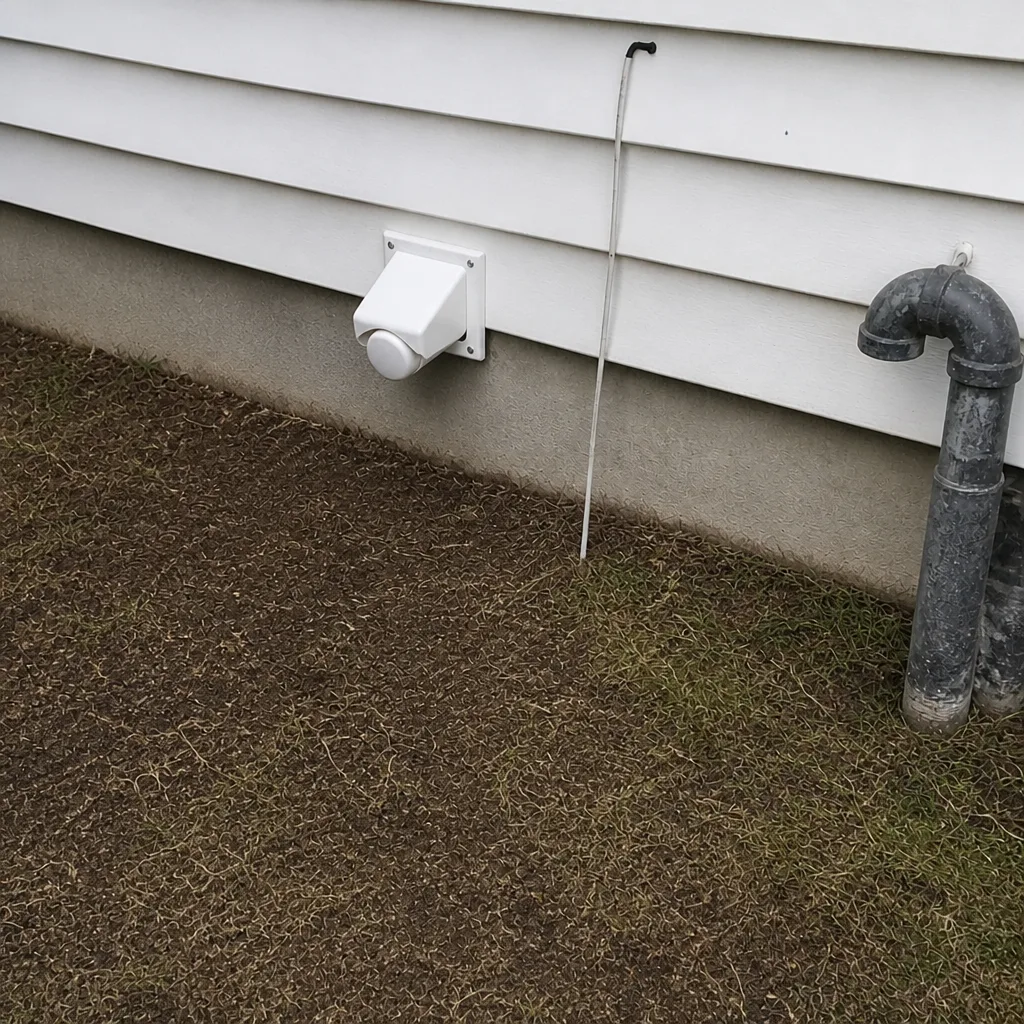
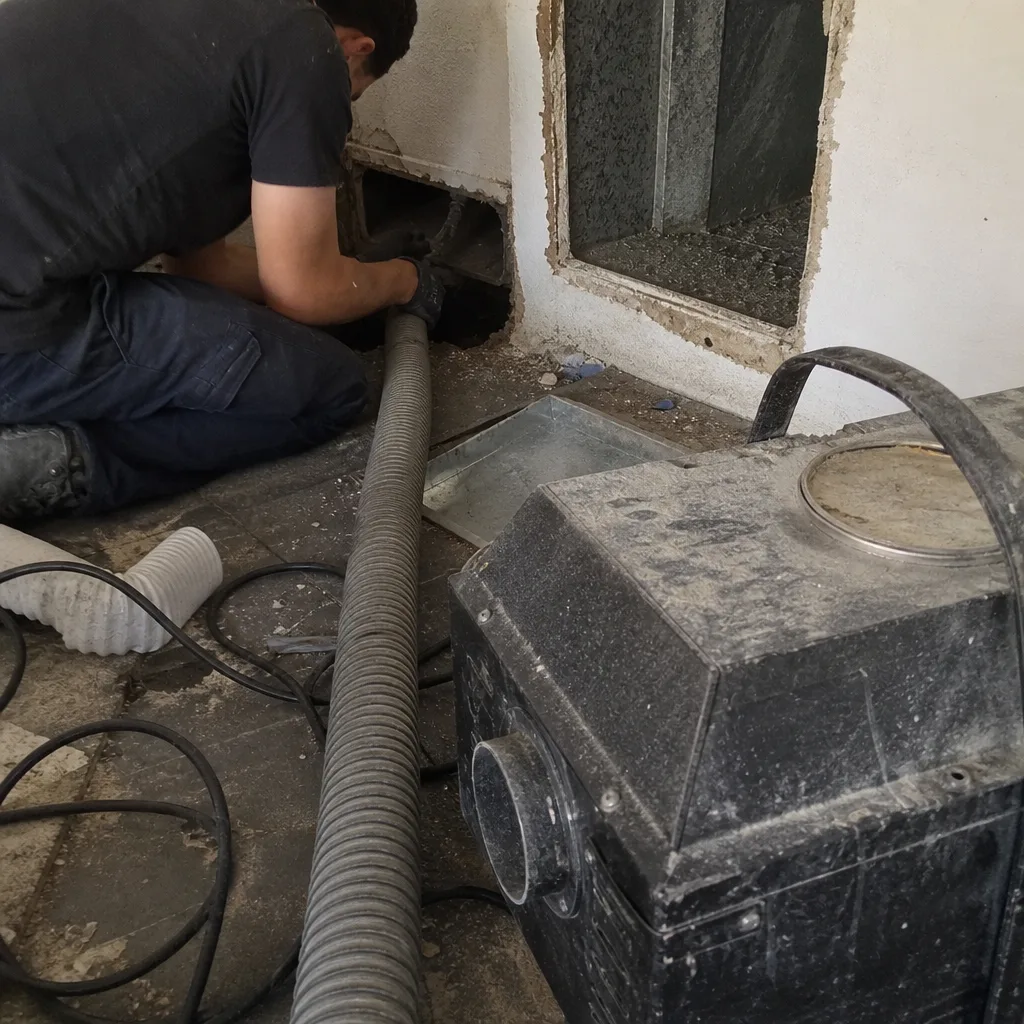
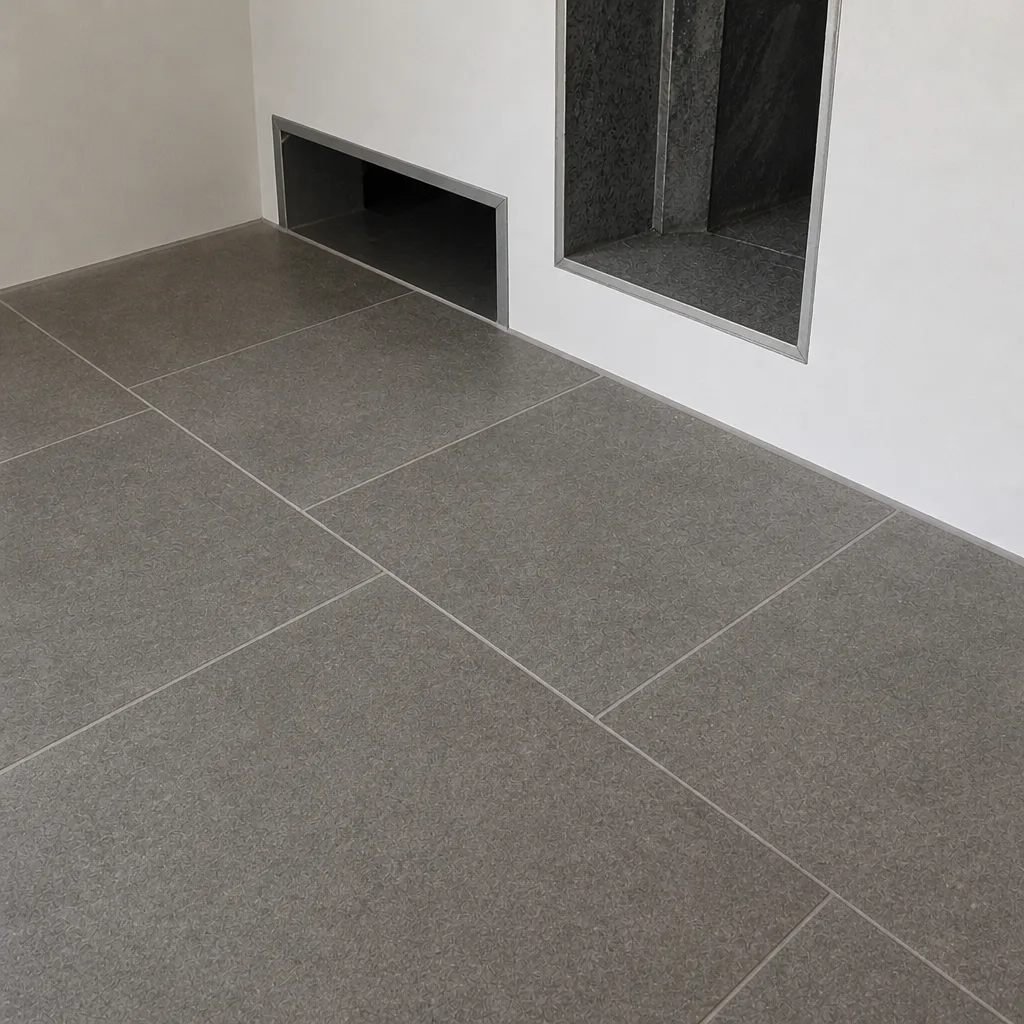
Whole-system duct and dryer vent check with before-and-after photos - you see exactly what came out of your vents
That "$99 whole-house special" is a bait ad - the real number appears once they are in your hallway, or the "clean" is a shop-vac at the register. We photograph the inside of your ducts before and after instead.
Air Duct Cleaning Cost Breakdown: The West Valley City Homeowner’s Reference for 2026
A quote below $150 for a whole-house duct cleaning in a standard West Valley City home is not a bargain. It’s a scope mismatch. Legitimate duct cleaning runs truck-mounted negative-pressure equipment, sends a trained technician through a few thousand square feet of ductwork, and takes hours. You can’t deliver that at a coupon price, so what usually happens is the technician arrives, finds “problems” the phone quote didn’t cover, and the invoice climbs well past where you expected. This guide breaks down what actually drives duct cleaning pricing in West Valley City, which add-ons are worth it, which are padding, and how to read a written quote so you know what you’re buying before anyone touches a register.
Styles & brands we work with
- Whole-home duct cleaning
- Dryer vent cleaning
- Camera inspection
- Sanitizing & deodorizing
Quick Answer
Air duct cleaning in West Valley City typically runs from about $250 to $600 for a whole-house system, with larger or more complex homes reaching roughly $800. The price depends on the linear footage of ductwork, the number of supply and return registers, how easy the system is to access, and the equipment the contractor uses. A written, itemized quote agreed before work starts is the single best protection against a bait-and-switch price.
Table of Contents
- What Actually Drives the Cost of Duct Cleaning?
- Typical Cost Ranges in West Valley City
- Supply and Return Registers: Why Count Matters
- Equipment Type and How It Changes the Price
- Which Add-Ons Are Legitimate and Which Are Padding?
- How Home Age and Construction Type Affect Scope
- What a Written Quote Should Itemize
- The Cost-Per-Year Question: How Often Should You Clean?
- Common Mistakes to Avoid
- When to Call a Professional
- Frequently Asked Questions
- The Bottom Line
What Actually Drives the Cost of Duct Cleaning?
Four factors separate a $250 job from an $800 job in West Valley City, and none of them are arbitrary. When a contractor can’t explain which of these is driving your quote, that’s a signal the number wasn’t built from your system in the first place.
- Linear footage of ductwork. A 1,400-square-foot ranch with a compact trunk-and-branch layout has far less duct surface than a 3,000-square-foot two-story with long runs. More footage means more time on the blower, more vacuum hose, and more labor.
- Number of supply and return registers. Each register is an access point that needs a hose run, a brush pass, and a pressure check. A home with twelve supplies and two returns is a different job than one with twenty supplies and five returns.
- Access difficulty. Ductwork tucked in a tight attic, buried above a finished basement ceiling, or routed through a chase with no cleanout changes the labor math significantly. Older West Valley City homes often have attic runs that are easy to reach; some newer builds have longer, more concealed routes.
- Equipment type. A shop vacuum with a rotating brush is not the same tool as a truck-mounted negative-pressure system paired with a Rotobrush or Nikro agitation unit. The professional platform is what makes a whole-system clean possible; the consumer alternative works only on the surface of a single branch.
When you understand these four levers, a quote either makes sense or it doesn’t. A price built from a phone description of your square footage alone is a guess. A price built from register count, system layout, and equipment plan is a real number. For a deeper look at what the service itself involves, see our guide to air duct cleaning.
Typical Cost Ranges in West Valley City
These are the ranges we see for the West Valley City market in 2026. They’re estimates, not quotes, and the written estimate for your specific system sets the final price.
| Scope | Typical Estimate Range | What It Covers |
|---|---|---|
| Small system (condo or compact ranch) | $250 – $350 | Whole-system clean, fewer than 10 registers, easy attic access |
| Standard single-family home | $350 – $500 | Whole-system clean, 10 – 18 registers, main trunk and branches |
| Larger or two-story home | $500 – $700 | Whole-system clean, 18 – 25 registers, longer runs, multiple returns |
| Complex or high-register home | $700 – $800+ | Whole-system clean, 25+ registers, difficult access, multiple zones |
| Dryer vent cleaning (standalone) | $120 – $220 | Full run from dryer to exterior termination, blockage cleared |
| Duct repair (per issue) | $150 – $600+ | Depends on the repair: joint reseal, crushed flex replacement, connection fix |
Two things to note. First, whole-house pricing is not per-register pricing. A contractor who quotes “$40 per vent” and multiplies by nineteen is pricing the wrong unit. A whole-system clean is a flat price for the system, not a count of openings. Second, the ranges above assume the technician can reach the ductwork without cutting into finished surfaces. If access requires opening a ceiling or working around a finished basement, that belongs in the quote, not in a surprise invoice afterward.
A West Valley City home that sits at the high end of these ranges isn’t being upsold; it’s simply a bigger, more complex system. The home’s construction pattern matters too, which we’ll get to in the section on home age and construction type.
Supply and Return Registers: Why Count Matters
Registers are the visible ends of a hidden system, and they’re the single most common driver of a quote difference between two otherwise similar houses. A supply register delivers conditioned air into a room; a return register pulls air back to the air handler. Both collect dust, both need cleaning, and both require the technician to make a physical connection with the vacuum and agitation tools at each location.
- Count the supplies. Walk the house and count every ceiling, wall, or floor supply register. Most West Valley City single-family homes run somewhere between ten and twenty.
- Count the returns. Returns are usually larger and fewer. A typical home has two to five. In some older layouts, the return is a single large grille in a central hallway.
- Note the access. A supply on an attic branch is a straightforward hose run. A supply on a branch buried above a finished ceiling may need a different approach, and that’s a cost driver.
Here’s the practical takeaway: when a contractor quotes your job, the register count should be part of the conversation. If they never asked how many supplies and returns you have, the price you got over the phone was a placeholder. Our technicians have up to 8 years of experience, and a system walkthrough is part of any honest estimate.
Equipment Type and How It Changes the Price
Equipment is where the cheapest quotes and the most expensive quotes split apart. A legitimate whole-system clean requires a powerful negative-pressure source (usually a truck-mounted vacuum) connected to the main trunk, plus an agitation tool to loosen debris throughout the branches. At Oakridge Air Duct Cleaning, we run professional-grade equipment from Rotobrush and Nikro, the same platforms specified on commercial and restoration projects. That matters for your quote because the equipment tier determines what kind of clean is even possible.
- Consumer-grade tools (shop vacs, handheld brushes). These support a low quote because overhead is low. They also can’t generate the negative pressure needed to pull debris out of a full system. Work is limited to surface contact at the register.
- Professional portable systems. A step up. Portable HEPA units with agitation tools can handle a single branch or a small system reasonably.
- Truck-mounted negative-pressure systems. The standard for whole-house cleaning. The truck’s vacuum is connected to the trunk line, keeping the entire system under negative pressure while the technician works the branches from inside.
We also stock and service filtration and purification products from Honeywell and Aprilaire, and use Abatement Technologies equipment for contamination-sensitive jobs. Those brand names matter to a homeowner for one reason: they’re the tools the industry actually builds around, not the consumer shortcuts dressed up as professional equipment in a coupon mailer.
This is why we say “professional-grade equipment, not consumer shortcuts.” A quote that undercuts the market by half is almost always built on a lower equipment tier, and the result shows up in the branch ductwork nobody opened. If you want to know what a proper clean looks like from the inside out, read more about our Oakridge Air Duct Cleaning approach.
Which Add-Ons Are Legitimate and Which Are Padding?
Add-ons are where the invoice surprises happen. Some are real, useful line items that improve the result. Others are padding – services billed to inflate the total with minimal return for your home. Here’s how to sort them.
Legitimate add-ons
- Dryer vent cleaning. A separate service entirely, and one of the most useful things you can do for a home’s safety. Lint buildup in the dryer vent is the leading cause of dryer-related house fires. This isn’t a comfort upgrade; it’s a fire-safety task. If a contractor offers it alongside duct cleaning, take it seriously.
- Duct repair. If the walkthrough turns up disconnected joints, crushed flex runs behind a register, or a trunk connection that has pulled loose, repair is a real fix. Clean ducts with a broken seal still leak air into the attic. Ask for the repair as a line item and ask what the repair actually involves.
- Coil cleaning. The evaporator coil sits at the air handler and collects dust over time. Cleaning it alongside the ductwork is reasonable, but only if the technician can access it and explain what “cleaning the coil” means in practice.
Likely padding
- Sanitizing every surface in the system. A light sanitizing treatment on the air handler and main trunk is defensible. A “whole-system sanitizing fog” billed as a line item at a premium is usually a marketing add-on. Ask what the treatment is and whether the underlying ducts have been cleaned first; sanitizing a dusty duct is treating the surface, not the problem.
- Deodorizing sprays. If the ducts are clean, most odors resolve on their own. A spray bottle add-on rarely delivers the lasting change people expect.
- Sealing every register with an “anti-microbial” film. No verified evidence supports the claim behind most of these products. Skip it.
Our rule is simple: if you can’t explain why the add-on is useful for your home in plain language, don’t buy it. A contractor who walks you through the system and points to a specific issue is doing their job. A contractor who hands you a menu at the door and runs down three categories of treatment is selling.
How Home Age and Construction Type Affect Scope
West Valley City’s housing stock shapes duct cleaning scope, and understanding the pattern helps you read a quote. The city’s construction history clusters into a few recognizable eras.
- 1970s and 1980s ranch homes. Compact trunk-and-branch layouts, attic runs, often flexible duct or hard pipe. These homes tend to be straightforward to clean because the runs are shorter and the attic access is generally workable. A standard clean usually lands in the $350 – $500 range.
- 2000s and newer developments. Larger footprints, more registers, longer runs, and sometimes multiple HVAC zones. These homes drive higher quotes because there’s simply more ductwork to run equipment through. A 3,000-square-foot two-story often lands in the $500 – $700 range and up.
- Older homes with retrofitted systems. A mid-century home that has had central air added later may have ductwork routed through unusual spaces. These take longer, and the technician may need to open access panels that weren’t part of the original build.
West Valley City’s high-desert climate and dry air mean dust accumulates faster than it does in humid regions, but the dust is fine and travels easily through a system. A dusty duct in one room is rarely localized; by the time you see it at the register, the trunk has been shedding particles into the return for years. Understanding the full picture of duct maintenance in West Valley City helps you interpret what a technician finds behind the grille.
What a Written Quote Should Itemize
A real written quote should show you what the job is made of before you agree to a price. When a contractor won’t itemize, that’s not a sign of confidence – it’s a warning sign the number is soft.
- System scope. Which registers, which trunks, which returns. The count should be explicit.
- Equipment being used. Truck-mounted negative pressure, portable system, agitation tool. Brand names such as Rotobrush and Nikro are a good sign; a blank space is not.
- Access conditions. Any access method that goes beyond standard, and what it involves.
- Base price, itemized separately from add-ons. Dryer vent cleaning, duct repair, and coil cleaning should each appear as their own line if you’re buying them.
- The estimate’s validity window and what changes it. If the scope changes on site, the quote should say how that gets handled.
- Before-and-after documentation. A professional job includes photos of your own ducts, not stock imagery. Ask for this before work starts.
If those six items are on the quote, you’re dealing with a contractor who built the price from your system. If they’re missing, you’re looking at a guess.
The Cost-Per-Year Question: How Often Should You Clean?
“Every year” is a common recommendation. Whether it’s financially rational for your household depends on three things: your duct condition, your home’s dust load, and the cost of the clean relative to its benefit. A simple way to think about it:
- Start with a baseline clean. Unless you know the system was cleaned recently, one professional whole-system clean sets the baseline.
- Watch dust accumulation over the next year. Register faces, return grilles, and the filter are your three indicators. If dust builds back in six months, a tighter interval may be justified. If it takes two years, you can stretch it.
- Factor in household variables. Pets, ongoing construction or renovation nearby, recent moves, and allergies all push toward a shorter interval. Low-dust households can stretch further.
- Do the math. A $400 whole-system clean every two years costs $200 per year in duct maintenance. If a contractor urges annual cleaning at $400 and your home doesn’t justify it, that’s a sales cadence, not a maintenance schedule.
For most West Valley City households, a clean every two to three years is a reasonable default. Dryer vent cleaning is a different question -it’s a safety task, and should be evaluated by lint buildup, not by calendar. When the vent is slow to dry clothes or the exterior flap barely opens, it’s due. Dryer vent cleaning is one of three services we focus on, and you can read more about it in our dryer vent cleaning overview.
Common Mistakes to Avoid
- Buying on the coupon price alone. A $89 or $99 whole-house offer doesn’t leave room for legitimate equipment and labor. The difference gets made up somewhere on site. Treat any quote significantly below the ranges in this guide as a scope warning, not a bargain.
- Accepting a phone quote with no system walkthrough. The numbers that matter – register count, duct footage, access conditions -can’t be seen on a phone call. A price built from a description alone is a placeholder that changes when the technician arrives.
- Paying per vent. Whole-house duct cleaning is priced per system, not per register. A per-vent multiplier for a whole-house clean is a pricing structure that penalizes larger homes without any basis in labor.
- Skipping dryer vent cleaning because “the ducts are getting done anyway.” Dryer vent cleaning is a separate run entirely from the HVAC ductwork. Lint in the dryer vent is a fire-safety concern that duct cleaning alone does not address.
- Paying for sanitizing before cleaning. Sanitizing a dusty duct treats a surface that’s still shedding particles. Clean first, then decide whether a light treatment adds value.
- Not asking for before-and-after photos. If a contractor can’t show you the inside of your own system before and after, you have no way to confirm the work actually happened.
- Ignoring small duct problems during a clean. A loose joint or crushed flex run found during cleaning is easier to repair while the technician is already in the system. Ignoring it means the same efficiency loss continues after the clean.
When to Call a Professional
Some situations clearly justify calling in a professional rather than waiting. If you’ve just moved into a West Valley City home and don’t know when its ducts were last cleaned, that’s a good starting point. If any household member has developed allergy symptoms that seem tied to time indoors, or if you’ve had a renovation that stirred up construction dust, professional cleaning is the right move. Visible dust blowing out of supply registers, a persistent musty smell that returns after cleaning the filter, or a dryer that takes two cycles to dry a load are all signs to call. The dryer vent case is the one to take most seriously: lint buildup in the vent is a genuine fire risk, and it’s not something to defer. Oakridge Air Duct Cleaning offers free estimates in West Valley City – call (833) 749-0886. We answer 24/7. Fast dispatch from 7am to 7pm, Sunday through Friday.
Frequently Asked Questions
A typical whole-house air duct cleaning in West Valley City runs from about $250 for a compact home to $500 for a standard single-family house, and $500 to $800 for larger or more complex systems. The written estimate sets the final price. Call (833) 749-0886 for an exact quote – estimates are free.
The cheapest quotes are usually built on lower equipment and a narrower scope, which means less of the system actually gets cleaned. A legitimate whole-system clean uses truck-mounted negative pressure and agitation tools, and those cost money to run. When a quote comes in well below the market range, ask what equipment is being used and how many registers are covered. Call (833) 749-0886 for an itemized quote you can compare line by line.
Ask for before-and-after photos of your own ducts -not stock images. A professional clean documents the trunk and branches before the technician starts and after the job is complete. If a contractor can’t or won’t provide this, that’s your answer. Call (833) 749-0886 to schedule a job where you’ll see the inside of your system before and after.
For most West Valley City homes, a whole-system clean every two to three years is a reasonable default, but the right interval depends on the household. Pets, recent renovations, and allergy concerns shorten it; a low-dust home can stretch it. The better question is how quickly dust returns to the register faces after a clean. Call (833) 749-0886 and we’ll help you set a sensible baseline.
Dryer vent cleaning is a legitimate safety service and should be handled separately from duct cleaning. Lint buildup in the vent is the leading cause of dryer-related house fires, and a dryer that takes two cycles to dry a load is a common warning sign. Call (833) 749-0886 to schedule a vent cleaning on its own or alongside your ductwork.
If the walkthrough turns up disconnected joints, crushed flex runs, or a trunk connection that has pulled loose, cleaning alone won’t fix it -the system will still leak. Repair can usually be scoped and priced as a separate line on the same estimate. Call (833) 749-0886 to have the system evaluated, even if you only suspect a problem.
The Bottom Line
Duct cleaning pricing in West Valley City is set by four things: duct footage, register count, access difficulty, and equipment tier. A legitimate whole-system clean usually lands between $250 and $800, priced per system rather than per vent, with itemized add-ons that each have a clear reason. The bait-and-switch pattern starts with a price too low to deliver real work, and ends with an invoice built on the assumption that the homeowner won’t check. The way to avoid it is to insist on an itemized written estimate, ask what equipment is being used, and require before-and-after photos of your own ducts. That’s the whole defense, and it works.
If you’d like to know what a fair price looks like for your specific system, Oakridge Air Duct Cleaning offers free estimates across West Valley City. Call (833) 749-0886. We answer 24/7. Fast dispatch from 7am to 7pm, Sunday through Friday.
Written by the team at Oakridge Air Duct Cleaning.
See the difference
 Before
 After
 Before
 After
 Before
 After