
Last updated November 14, 2026
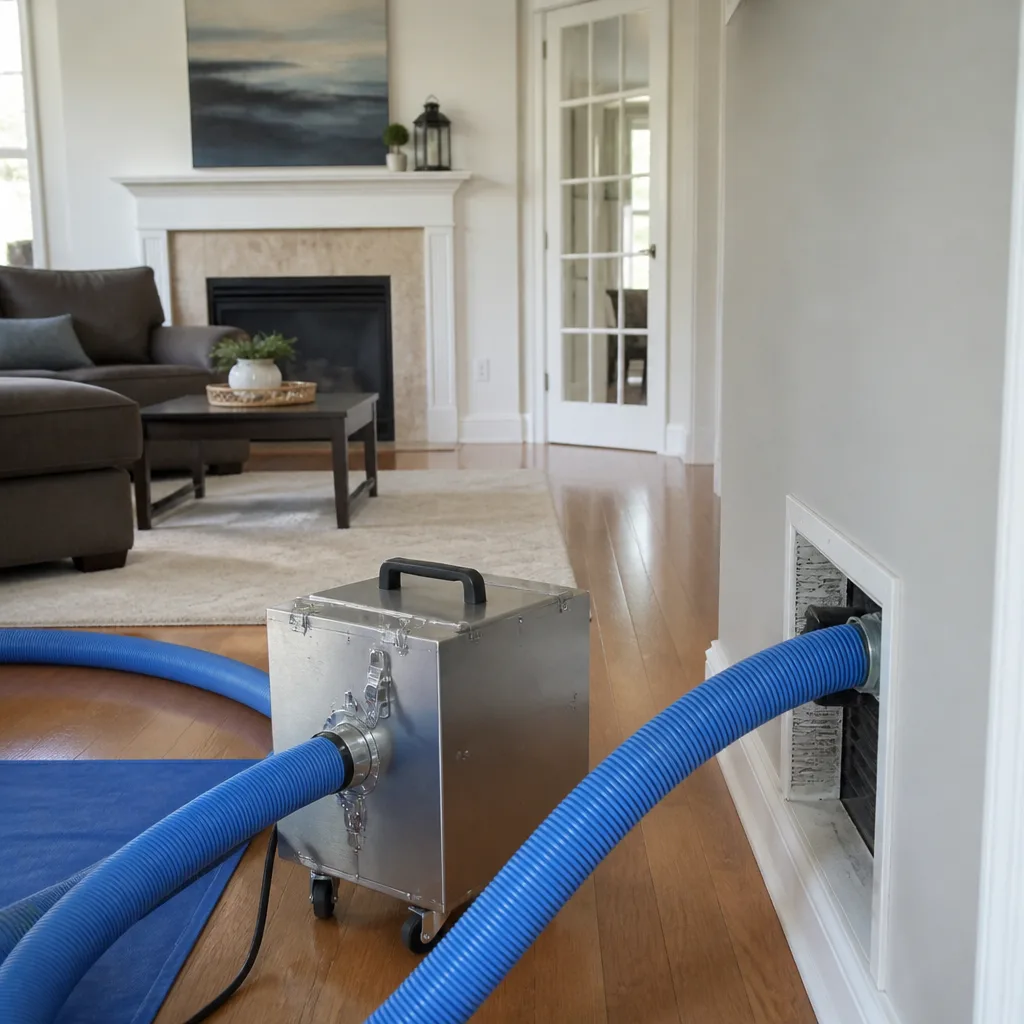 Whole-home duct cleaning
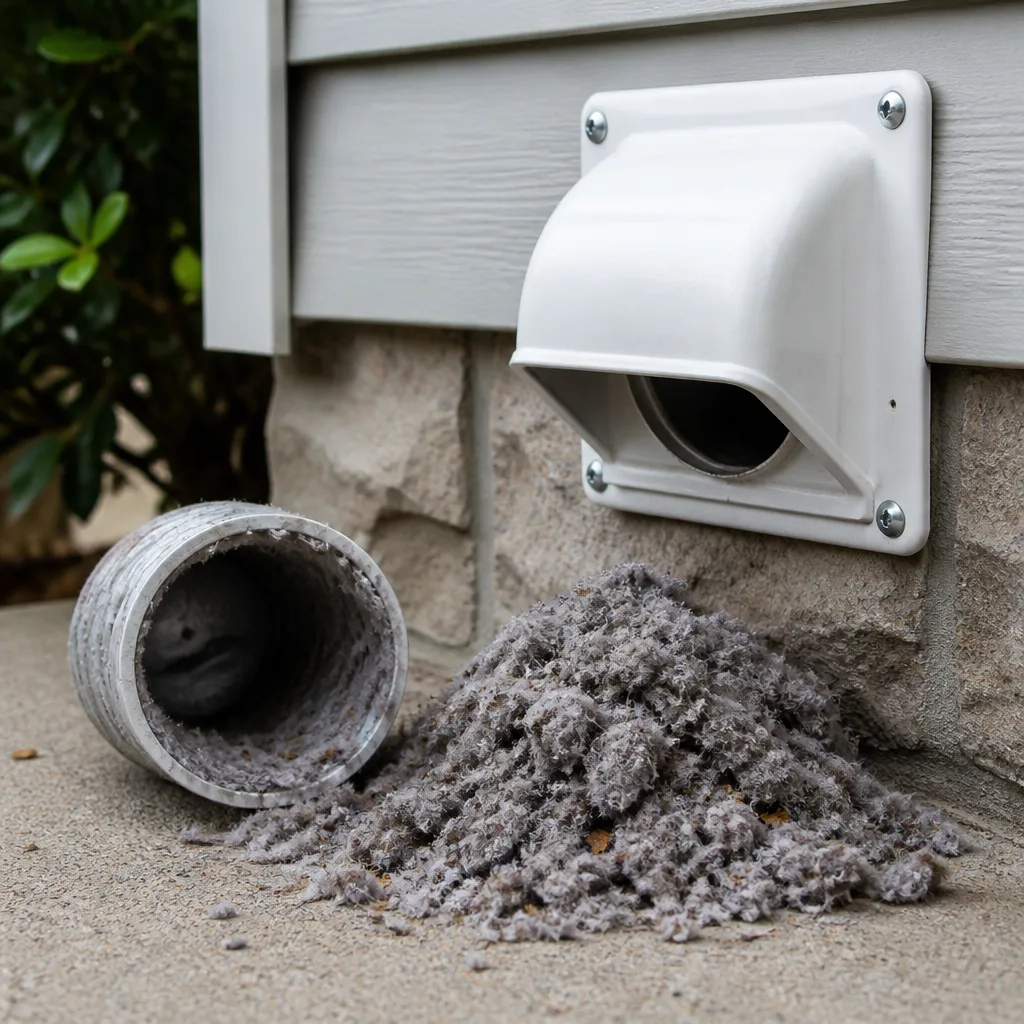 Dryer vent cleaning
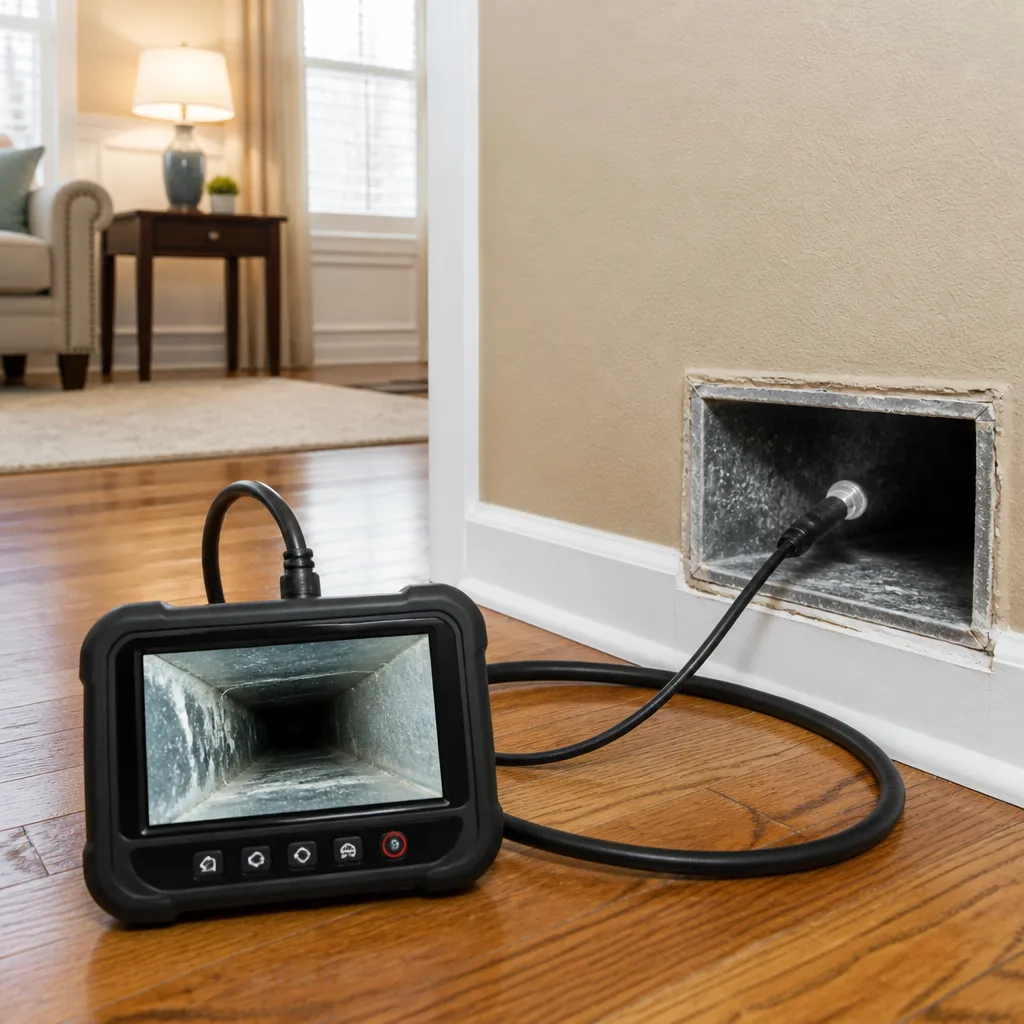 Camera inspection
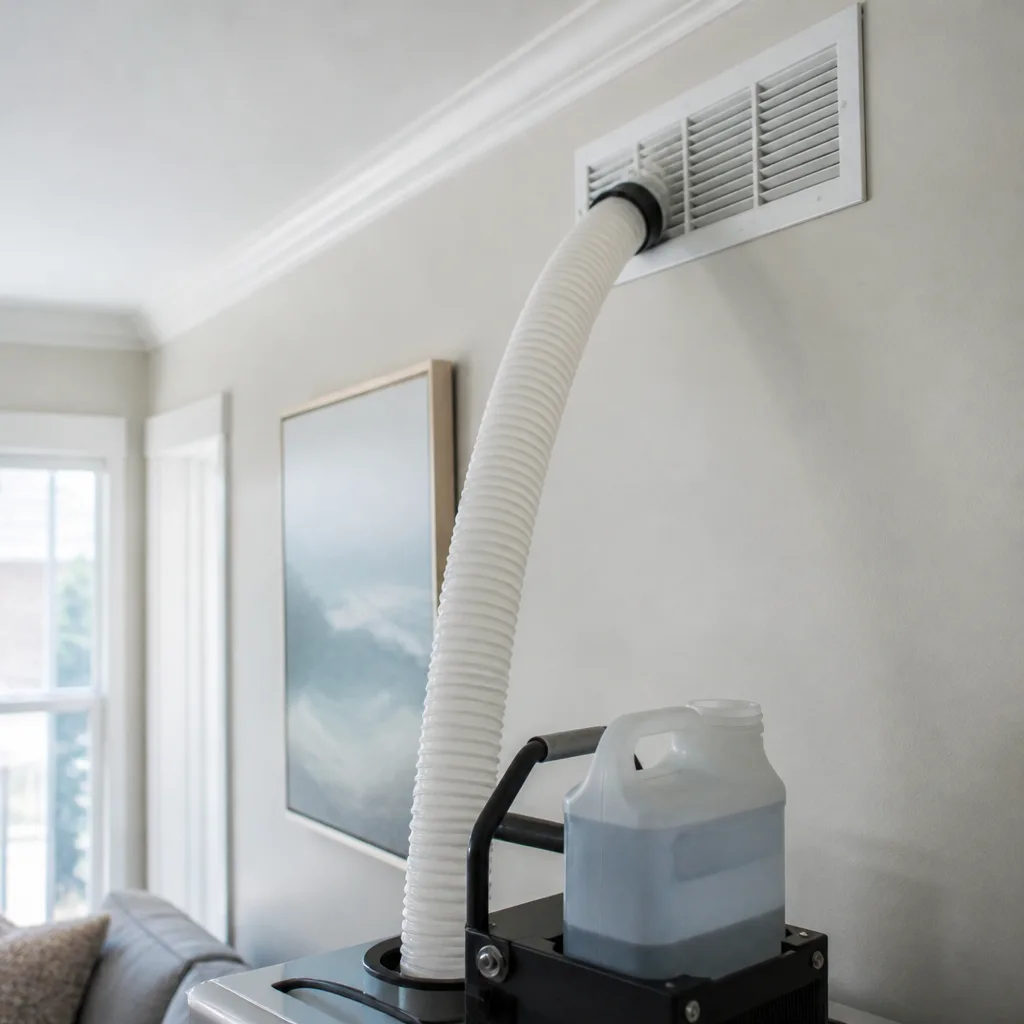 Sanitizing & deodorizing
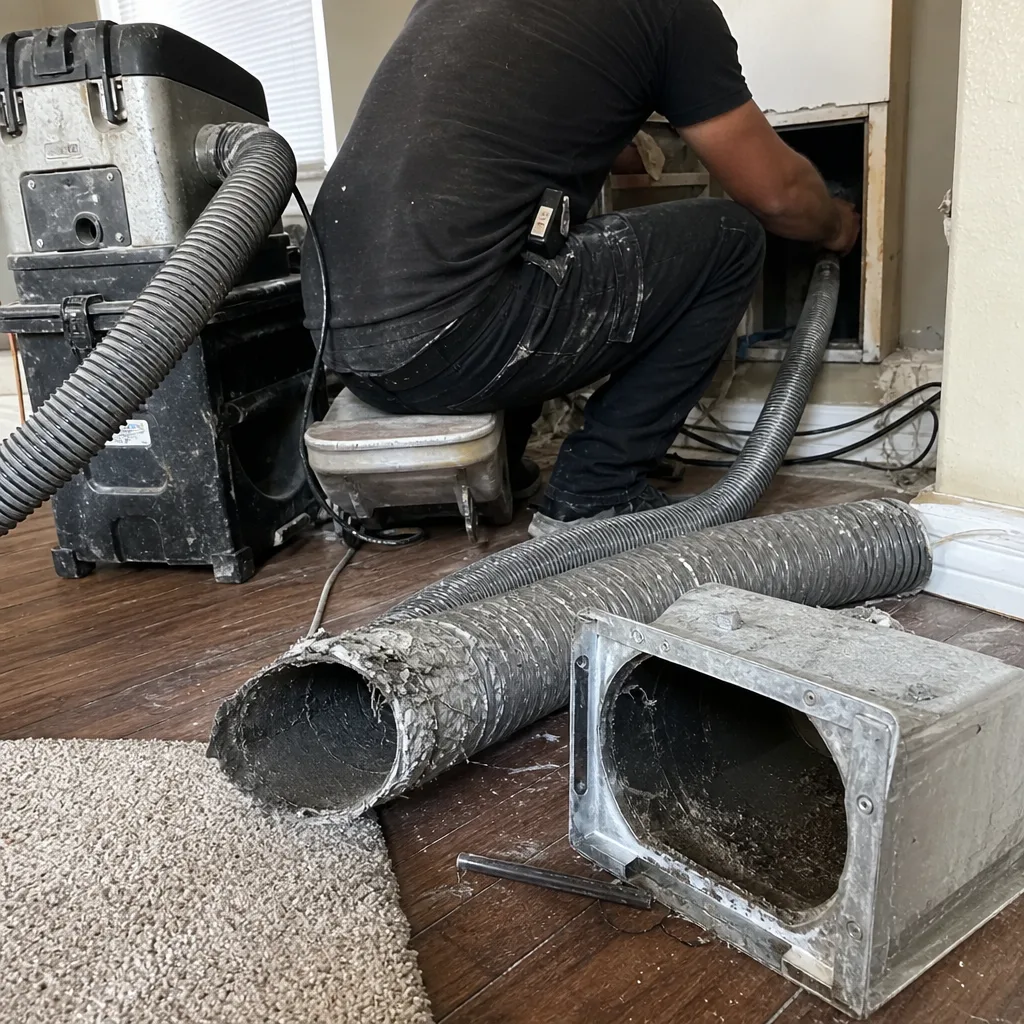
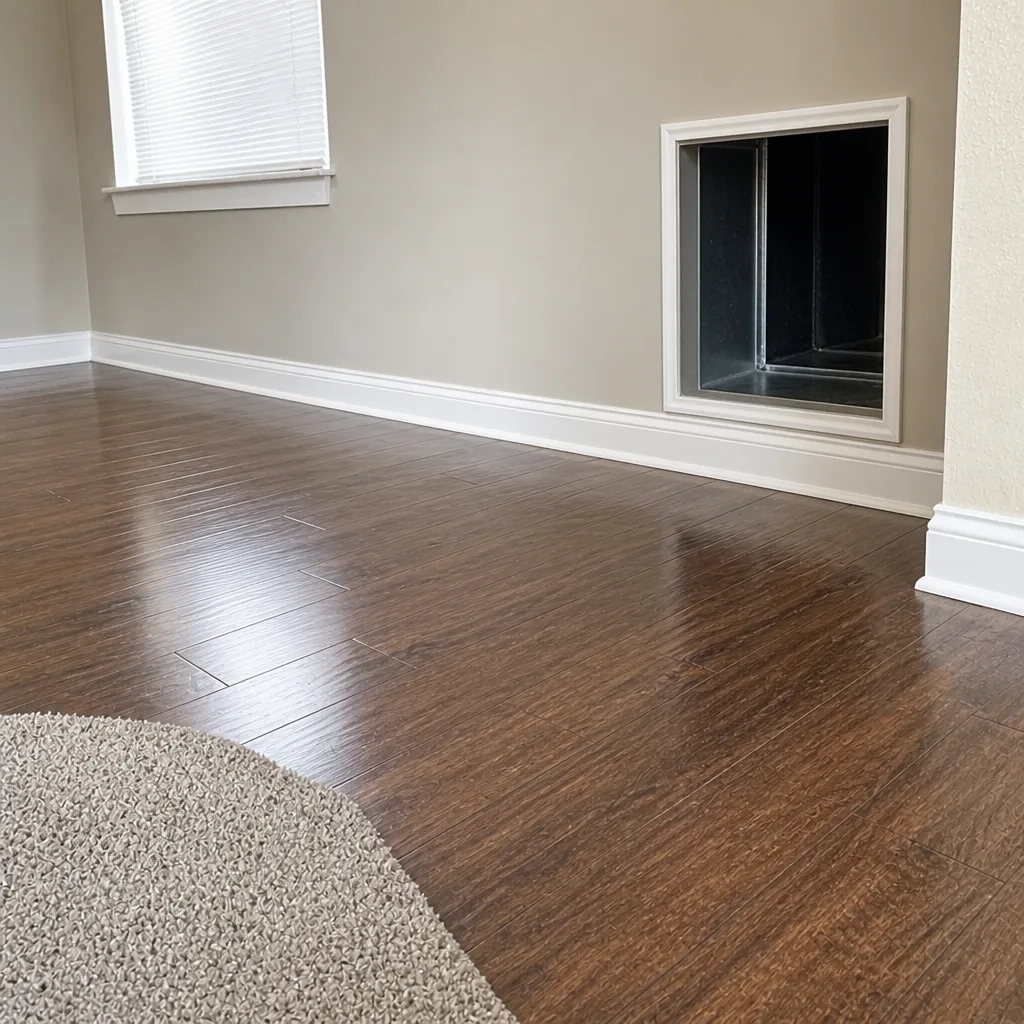
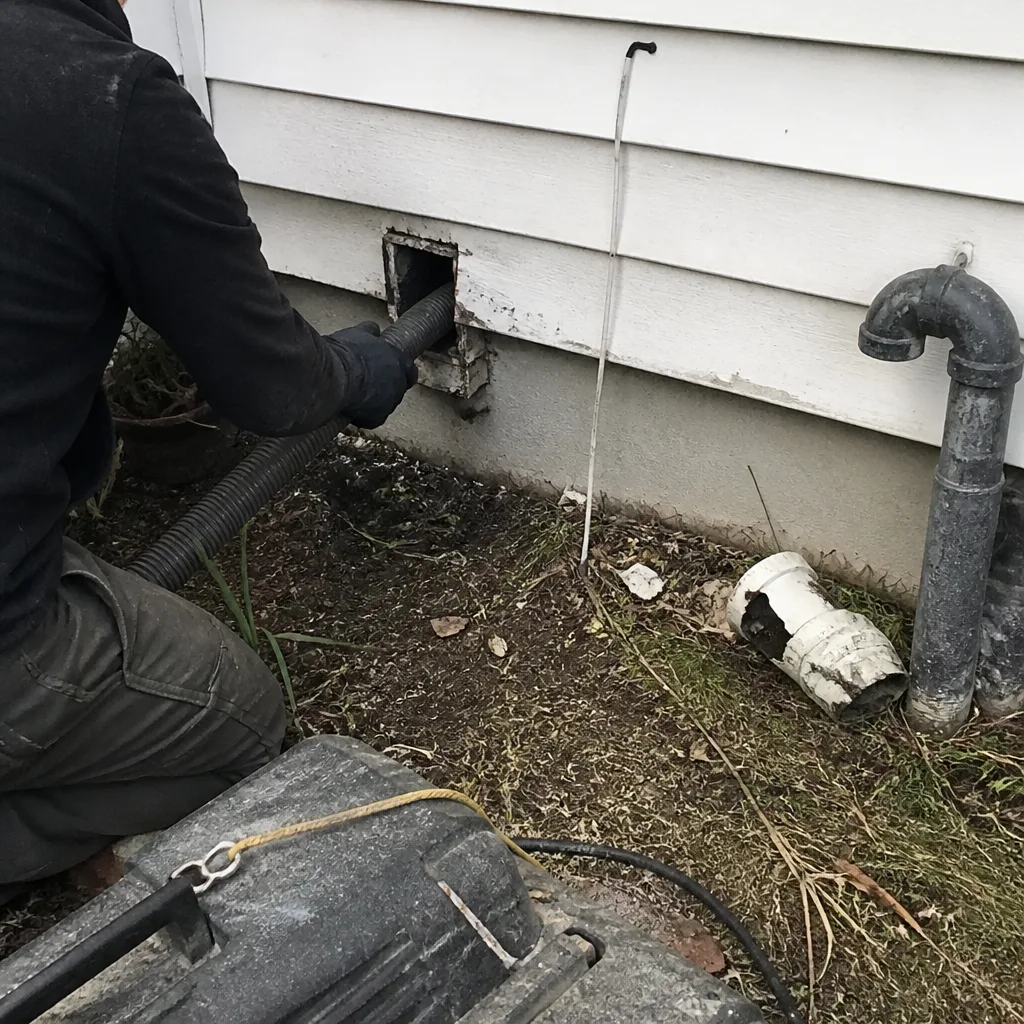
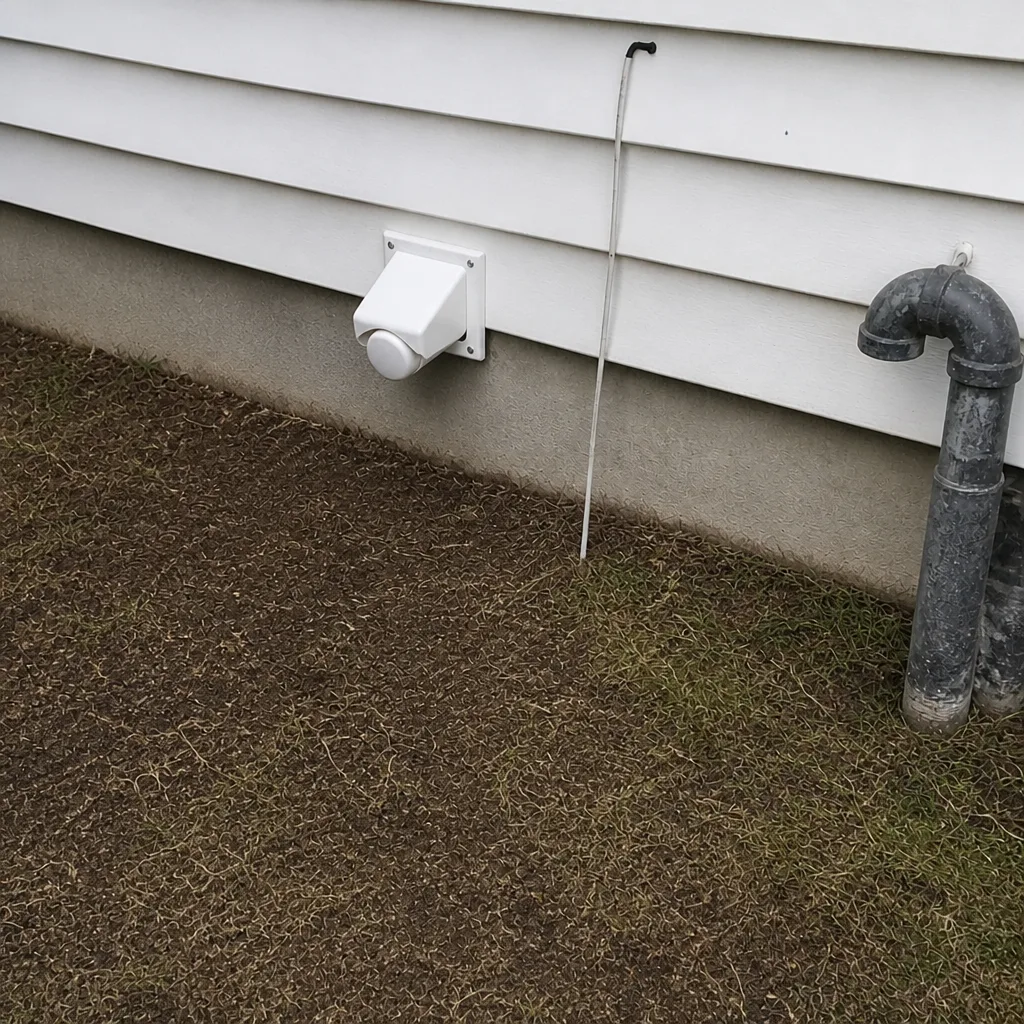
Whole-system duct and dryer vent check with before-and-after photos - you see exactly what came out of your vents
That "$99 whole-house special" is a bait ad - the real number appears once they are in your hallway, or the "clean" is a shop-vac at the register. We photograph the inside of your ducts before and after instead.
Air Duct Cleaning Permits, Codes & Inspections in West Valley City, UT: What You Need to Know
A contractor who tells you permits are never required for duct work is either limiting their scope to cleaning only, or doesn’t know Utah code. Most air duct cleaning in West Valley City is routine maintenance and needs no permit at all. The moment that work crosses into repair, modification, or remediation of contamination, the rules change and the paperwork trail starts to matter. That distinction shows up again years later, when you file a homeowner’s insurance claim or sell the property and someone asks what was actually done inside the walls. This guide walks the line between the two categories, explains how West Valley City building inspection touches mechanical systems, and covers the documentation a legitimate company should hand you when the job is finished.
Quick Answer
Routine air duct cleaning in West Valley City does not require a permit, because cleaning is maintenance and does not alter a mechanical system. Repairing, replacing, or modifying ductwork generally does require a mechanical permit and an inspection under Utah’s adopted mechanical code. If mold remediation is discovered during a cleaning, that work carries separate licensing and notification requirements and should never be folded quietly into a cleaning invoice.
Styles & brands we work with
- Whole-home duct cleaning
- Dryer vent cleaning
- Camera inspection
- Sanitizing & deodorizing
Table of Contents
- Cleaning Versus Repair: Where the Permit Line Sits
- What Utah Mechanical Code Actually Says
- When Mold Remediation Changes the Rules
- How West Valley City Building Inspection Works
- Documentation That Protects You Later
- The Liability of Hiring Unlicensed for Modification Work
- Why West Valley City Conditions Put Ductwork Under Stress
- Step by Step: Getting a Duct Repair Permitted
- Common Mistakes to Avoid
- When to Call a Professional
- Frequently Asked Questions
- The Bottom Line
Cleaning Versus Repair: Where the Permit Line Sits
The line that matters in West Valley City is the one between maintenance and alteration. Cleaning removes accumulated dust, debris, and buildup from a duct system that stays exactly as it was built. No components are cut, added, resized, or relocated. Repair does the opposite: it changes the physical system, and once the system changes, the mechanical code and the permitting process come into play.
We’ve seen this confusion run in both directions. Some homeowners assume any duct work needs a permit and worry about a cleaning appointment they never needed to worry about. Others assume a contractor extending a run, sealing a crushed section, or replacing a rusted trunk line is doing “just cleaning” and skip the permit that would have protected them. The categories are not interchangeable, and the difference is easy to state.
No permit is typically required for:
- Standard source-removal cleaning with professional equipment
- Cleaning the supply and return side of the system
- dryer vent cleaning, which is a maintenance and fire-safety task
- Replacing a filter or a return grille cover
- Sanitizing or deodorizing treatment inside existing ductwork
A mechanical permit is generally required for:
- Cutting in new supply or return runs
- Replacing a section of hard duct that has failed physically
- Resizing ductwork or rebalancing system capacity
- Sealing or rerouting duct runs as part of a modification
- Any work that changes how the mechanical system moves air
If you are unsure which side of that fence your situation falls on, the safest move is to describe the work to your city’s building department in plain terms. A ten-minute conversation clarifies the permit question before anyone picks up a tool. Our own approach is to keep the two categories clean: air duct cleaning is one service, and duct repair is a separate scope with its own expectations.
What Utah Mechanical Code Actually Says
Utah adopts a statewide mechanical code that governs how heating, ventilation, and air-conditioning systems are installed, altered, and maintained. Cities across the state, including West Valley City, enforce that code through their own building departments. The code’s spine is simple: maintenance is exempt, alteration is not.
For a homeowner, the practical translation is this. Cleaning a system that is already built correctly is maintenance. Taking that system apart, adding capacity, removing capacity, or replacing components is a mechanical alteration, and alterations require a permit and an inspection to confirm the work meets code. That applies to the ductwork attached to your furnace and air handler, not only to the equipment itself.
What the code cares about in ductwork
- Materials rated for the application and installed as listed
- Joints and seams that are sealed to the standard the code requires
- Correct support and clearance so the system stays airtight over time
- Return air pathways that do not pull air from unsafe locations
- Combustion air and exhaust clearances that the code treats as life-safety items
None of those items get better because someone cleaned the duct. They only get verified when the work crosses into alteration and an inspection follows. That is why the permit question is genuinely a safety question and not just a paperwork question.
One caution: the exact permit triggers and exemptions are set by the adopted code and your city’s administrative policy, and those can be amended. Before authorizing any duct modification, confirm the current requirement with West Valley City’s building department directly. We won’t tell you what a specific ordinance number requires, and no honest contractor should either without checking first.
When Mold Remediation Changes the Rules
Mold discovered inside a duct system moves the job into a different category entirely. Utah treats mold remediation as a specialty activity with its own licensing, worker-protection, and in some cases notification expectations. It is not something a general duct cleaning scope covers, and it should never be quietly added to a cleaning invoice as an upsell.
What we look for during a routine cleaning is straightforward. Visible growth on duct liner or the air handler interior, standing moisture at the coil or drain pan, and persistent musty odors that return after cleaning are all signs the job needs a moisture assessment before anyone calls it clean. Duct cleaning can remove the food source. It cannot fix a water problem that keeps feeding new growth.
How we handle a mold finding
- Stop and document. We photograph what we found and where it is.
- Separate the scopes. Cleaning and remediation are quoted as distinct items, never bundled into one number that hides the change.
- Check the licensing requirement. Remediation in Utah generally calls for a licensed remediation contractor, and you should confirm the requirement rather than assume we cover it.
- Address the moisture source first. A remediation that leaves a leaking condensate line in place is wasted money.
For contamination-sensitive work, our equipment lineup includes Abatement Technologies systems built for exactly those conditions. We can clean and we can verify. What we won’t do is sell remediation we’re not licensed to perform. That is a line that protects you, and it protects the value of the job being done correctly.
How West Valley City Building Inspection Works
West Valley City runs its own building department and inspection process, separate from Salt Lake County’s. When a mechanical permit is issued, the inspection that follows happens in stages. For a duct modification, the inspector wants to see the work at the right point, before it disappears behind drywall or insulation. That timing is the homeowner’s job to understand even when a contractor pulls the permit.
When to contact the building department yourself
- Before you authorize any duct repair or modification, to confirm whether a permit is required
- When a contractor tells you a permit isn’t needed and you want that verified independently
- When a permit was pulled in your name and you want to know the inspection is on the schedule
- When work was done without a permit and you need to know your options before selling
- If a final inspection was never signed off and you’re closing on the home
The order of operations matters here. A permit gets pulled before work begins, the inspection happens at the specified stage, and a final sign-off closes the file. If a contractor offers to “handle the permit after,” that’s not how the process works, and an inspection that arrives after the drywall is back up can turn into a repair bill.
We’ve seen the fallout from the other direction too. A homeowner who invested in honest Oakridge Air Duct Cleaning work has nothing to document, because cleaning leaves the system as built. The permits, the inspection records, and the closed-out file only become relevant when the scope crossed into repair. Knowing which one you’re in is most of the battle.
Documentation That Protects You Later
A legitimate duct cleaning company should hand you a record of the work that would hold up in a future home inspection, an insurance review, or a conversation with a buyer’s inspector. The cleaned system itself doesn’t need a permit trailing it. The documentation is what stands in its place when someone asks for proof.
What good documentation looks like
- Service date and scope. What was cleaned, what was not, and what was inspected but left alone.
- Before-and-after photos. Pictures of your own ducts, not stock images from a company library.
- Equipment noted. The professional platforms used on the job, such as Rotobrush or Guardsman systems, stated on the invoice.
- Findings that need follow-up. Crushed runs, disconnected sections, moisture, or contamination flagged but not addressed in the cleaning scope.
- One flat price per system. The whole-system price agreed before work started, matching the invoice.
That documentation does two things. It proves the work happened, which matters because duct cleaning has a reputation problem with bait-and-switch pricing and vague invoices. And it creates a written record that a future duct repair was already flagged before it became urgent, which changes how an insurance adjuster reads the file.
We use the same files as a service history. When a homeowner calls us again a few years later, the prior findings answer most of the first questions. The cleaned system is maintenance. The paper trail is the asset.
The Liability of Hiring Unlicensed for Modification Work
This is where a cheap duct job can become an expensive one. Cleaning performed by an unlicensed company is low-risk, because cleaning doesn’t touch the mechanical system. Once a contractor crosses into repair or modification, the unlicensed crew is a liability sitting inside your walls, and the homeowner usually discovers it after the damage.
Our state-licensed technicians work an insured scope, and our home-safety focus shows up in the service mix. Dryer vent cleaning lives in that same family: an unmaintained vent is a genuine fire risk, and when it accompanies a duct job, the question of who’s qualified to be in your home changes. The fire hazard and the licensing question don’t stay in separate boxes.
What goes wrong with unlicensed modification work
- Insurance exposure. Insurers can decline coverage for losses tied to unpermitted or unlicensed mechanical work.
- Sale delays. A buyer’s inspector who finds uncertified duct modifications can stall a closing or force a price reduction.
- Code corrections. Work that fails code has to be redone by a licensed contractor, and the original invoice is rarely recoverable.
- Hidden failures. Seams and joint sealants that aren’t rated for the application fail slowly, and the first sign is a duct that no longer delivers air where it should.
The clean way to manage all of this is to keep the roles separated on the invoice. Cleaning is our lane. Repair is a documented scope, and when a permit is required, the permit gets pulled before work starts. If a company won’t put that in writing, you’ve learned something useful about the company before you’ve spent a dollar.
Why West Valley City Conditions Put Ductwork Under Stress
West Valley City sits in a high desert valley, and that geography shapes what happens to ductwork. The Wasatch Front’s cold winters and hot summers mean the heating and cooling system runs hard across the year. Every time that system cycles on, the ductwork flexes slightly. Across a decade, flexible connections, taped joints, and sealant all age faster than they would in a milder climate.
There’s a second local factor most guides skip. The valley’s dry air and fine dust load are a real presence in home comfort and duct buildup, and springs and summer wind events push fine particulate into return systems. Cleaner tanks and thicker filters are normal in many homes here. That doesn’t mean every home needs cleaning, and nobody should claim otherwise. It does mean that when a cleaning technician does find a problem, a crushed run or a gap in a joint, that finding is worth taking seriously rather than dismissing as a sales pitch.
Regional stresses worth knowing
- Wide seasonal temperature swings that expand and contract metal and flexible ductwork
- Fine valley dust that finds weak points in return systems
- Cold-season condensation on poorly insulated runs in attic and crawl spaces
- Hard-water mineral scale on humidifier hardware and nearby duct components
A large share of West Valley City homes were built in the second half of the twentieth century and have older duct systems by now. That’s not a warning and it doesn’t mean yours is failing. It does mean a visual inspection of the duct run is worth the ten minutes, especially before you commit to any repair scope. The West Valley City market we work in day to day gives us a good picture of what a typical older system looks like, and it’s rarely as bad as fear suggests and rarely as clean as the seller’s disclosure said.
Step by Step: Getting a Duct Repair Permitted
If your duct work crosses from cleaning into repair or modification, here is the sequence a homeowner should expect. The first step is not a phone call to us; it’s a phone call to the city. That’s deliberate.
- Describe the work in plain language. Call the West Valley City building department and explain exactly what the contractor wants to do: extend a run, replace a section, or seal a failed joint. Ask if a mechanical permit is required and which inspections apply.
- Ask for it in writing. The answer gets noted on the estimate or in an email. Written answers settle disputes faster than anyone’s memory.
- Confirm the contractor’s licensing and insurance. Request the license category and proof of insurance before you sign anything.
- Pull the permit before work starts. The permit is the contractor’s responsibility to pull, and the homeowner should see the permit number on the paperwork.
- Schedule the inspection at the right stage. Mechanical inspections usually need to occur before the work is concealed. The building department will tell you when.
- Keep everything after the final sign-off. The inspection record and the contractor’s invoice belong in the same folder as your home records.
We’re licensed and insured and can work with your insurer on covered claims. What we can’t do is give you a blanket answer that applies to every duct job in West Valley City, because the line depends on the specific scope. If the work stays in the cleaning lane, no permit is needed. If it doesn’t, our role is to tell you that clearly before anyone touches your ductwork.
Common Mistakes to Avoid
- Assuming all duct work is maintenance. Cleaning is maintenance. A contractor who modifies ductwork without checking code classification is gambling with your insurance coverage.
- Accepting a “permit later” arrangement. Permits are pulled before work begins, not after, and an inspection that arrives late can’t verify what’s already covered by drywall.
- Letting a cleaning crew upsell remediation on the spot. Mold remediation carries separate licensing and notification requirements in Utah. Ask for the license before you agree to the scope change.
- Skipping documentation after a cleaning. Without before-and-after photos of your own ducts and a written scope, you have a receipt and no evidence a future inspector will care about.
- Reading a low per-vent quote as the total. A flat price should cover the whole system, agreed before the work starts. Anything that shifts after the technician is on site is the pattern that has made this industry’s reputation so poor.
- Ignoring an unresolved finding. A crushed run or a disconnected joint flagged during a cleaning is a duct repair waiting to happen, not a temporary inconvenience. Handle it before it fails.
When to Call a Professional
Call a professional when you see any of these signs: a duct run that visibly sags or has detached from a register, a musty smell that returns within weeks of a cleaning, persistent air quality complaints after a furnace or AC service, or a home inspection that flagged ductwork but offered no scope. Also call when a cleaning quote arrives as a per-vent number you can’t predict, or when a contractor proposes extending or modifying ductwork and can’t explain the permit status clearly. Each of those situations crosses into a scope where professional judgment drives the decision more than price does.
Oakridge Air Duct Cleaning offers free estimates in West Valley City. Call (833) 749-0886. You’re welcome to gather the facts before you call: notes on what you’re seeing, photos if you have them, and any paperwork from a prior job. The more context you bring, the more useful the first conversation is.
Frequently Asked Questions
No. Routine air duct cleaning is maintenance and does not require a permit in West Valley City. A permit becomes relevant when the work crosses into repair, replacement, or modification of ductwork, which is a mechanical alteration. If you’re not certain which side of that line your job falls on, confirm the requirement with the West Valley City building department. Call (833) 749-0886 for a free estimate so we can help you figure out the scope before anything is scheduled.
In the West Valley City market, most whole-system cleaning falls in a typical estimated range in the low hundreds to around six hundred dollars for a standard home system, with larger or multi-system homes above that. The written estimate sets the final price, so treat that range as a starting point, not a quote. We charge one flat price per system agreed before work starts, with no per-vent pricing and before-and-after photos of your own ducts. Call (833) 749-0886 for an exact estimate; estimates are free.
Most of the very low quotes are teaser prices for a single vent or a single system component, not the whole system. The final invoice grows once the technician is on site, which is the pattern this industry has earned its reputation for. Ask what the quote covers and whether it’s per vent or per system before you book. Call (833) 749-0886 for a whole-system estimate you can compare against.
Yes, in general. Mold remediation in Utah is treated as a specialty activity with licensing, worker-protection, and notification requirements that a routine cleaning scope does not cover. A legitimate company will stop, document what it found, and quote remediation as a separate item under separately licensed work. It should not appear as a line item on a cleaning invoice. Call (833) 749-0886 to schedule a cleaning and find out what’s actually in your system.
You should receive before-and-after photos of your own ducts, a written scope of what was cleaned and what was not, and an invoice matching the price you agreed to before work started. Those three items together are the record a future home inspector or insurance adjuster will look for. Our Rotobrush and Nikro equipment matters because professional platforms reach parts of the system consumer tools cannot, and the photos show it. Call (833) 749-0886 to get on the schedule.
We can quote the repair scope and we’ll tell you clearly when the work crosses into the permit-required category, but the permit itself is issued to the licensed contractor performing the mechanical work, and the homeowner should see the permit number on the paperwork before work begins. If you’re not sure whether your job needs one, call West Valley City’s building department first, then call us at (833) 749-0886 for a free estimate on the scope.
There’s no fixed schedule that fits every home. Households with pets, recent remodeling, allergy concerns, or a home purchase often benefit from an inspection, while other homes can go considerably longer between cleanings. The right answer comes from what’s actually in the system, not a subscription calendar. We answer 24/7, so call (833) 749-0886 and we’ll talk through what fits your situation.
The Bottom Line
The permit question in West Valley City comes down to one distinction: cleaning is maintenance and needs no permit, while duct repair or modification is a mechanical alteration that generally requires one. Mold remediation found during a cleaning adds a completely separate licensing layer and should never be folded into a cleaning invoice. Document everything, ask the city when you’re unsure, and keep the cleaned system as maintenance and the paper trail as the asset. If your job crosses the line, make sure the contractor is licensed, insured, and clear about who’s pulling the permit before work begins. If it stays in the cleaning lane, all you should need is a flat price, photos of your own ducts, and an invoice that matches the estimate. Call (833) 749-0886 for a free estimate. We answer 24/7, with fast dispatch from 7am to 7pm, Sunday through Friday.
Written by the team at Oakridge Air Duct Cleaning.
See the difference
 Before
 After
 Before
 After
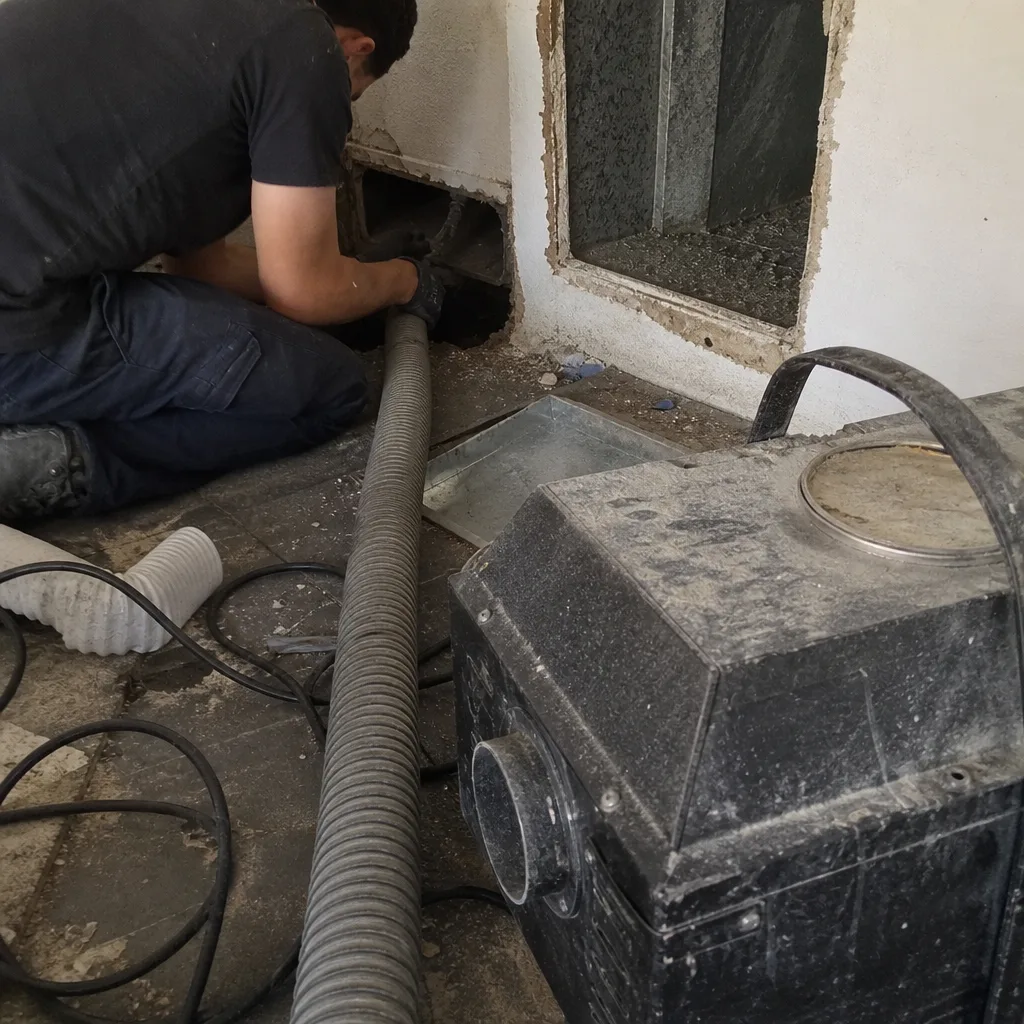 Before
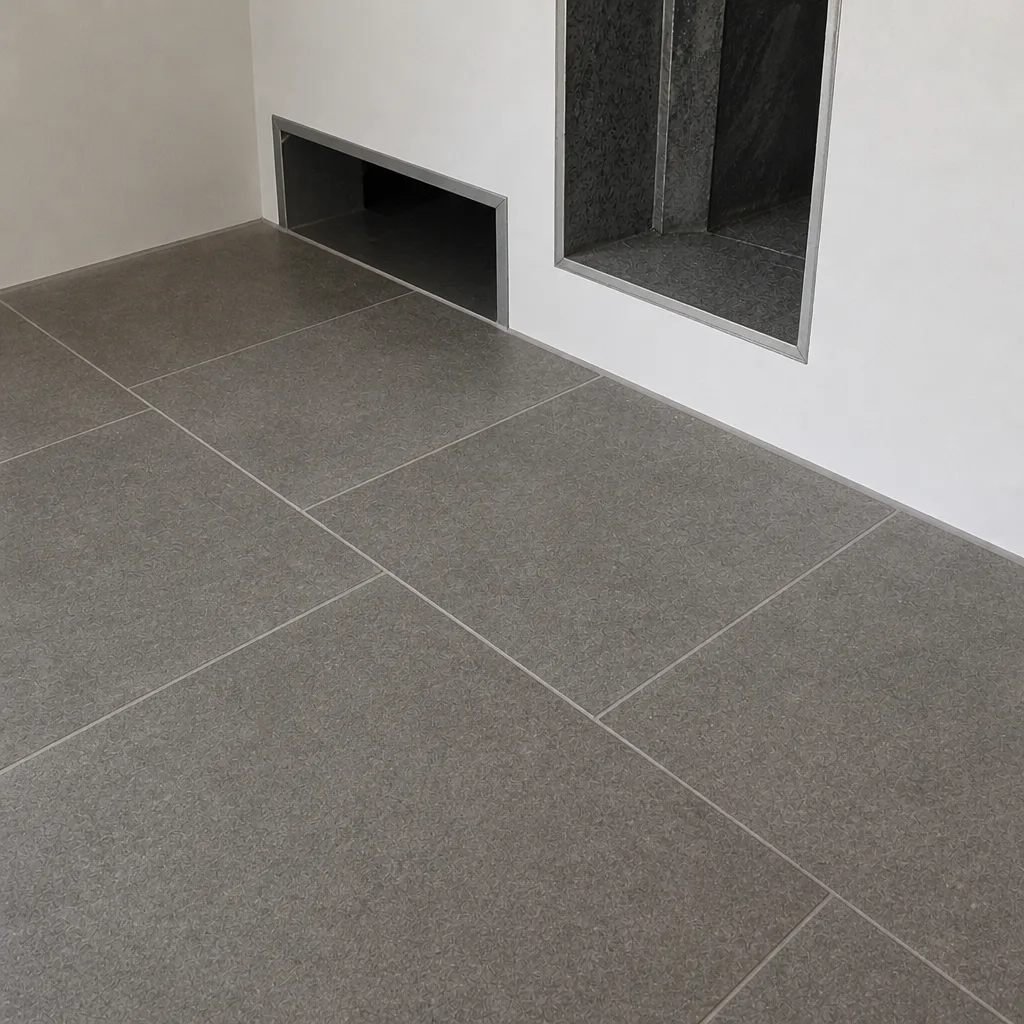 After