
Last updated November 14, 2026
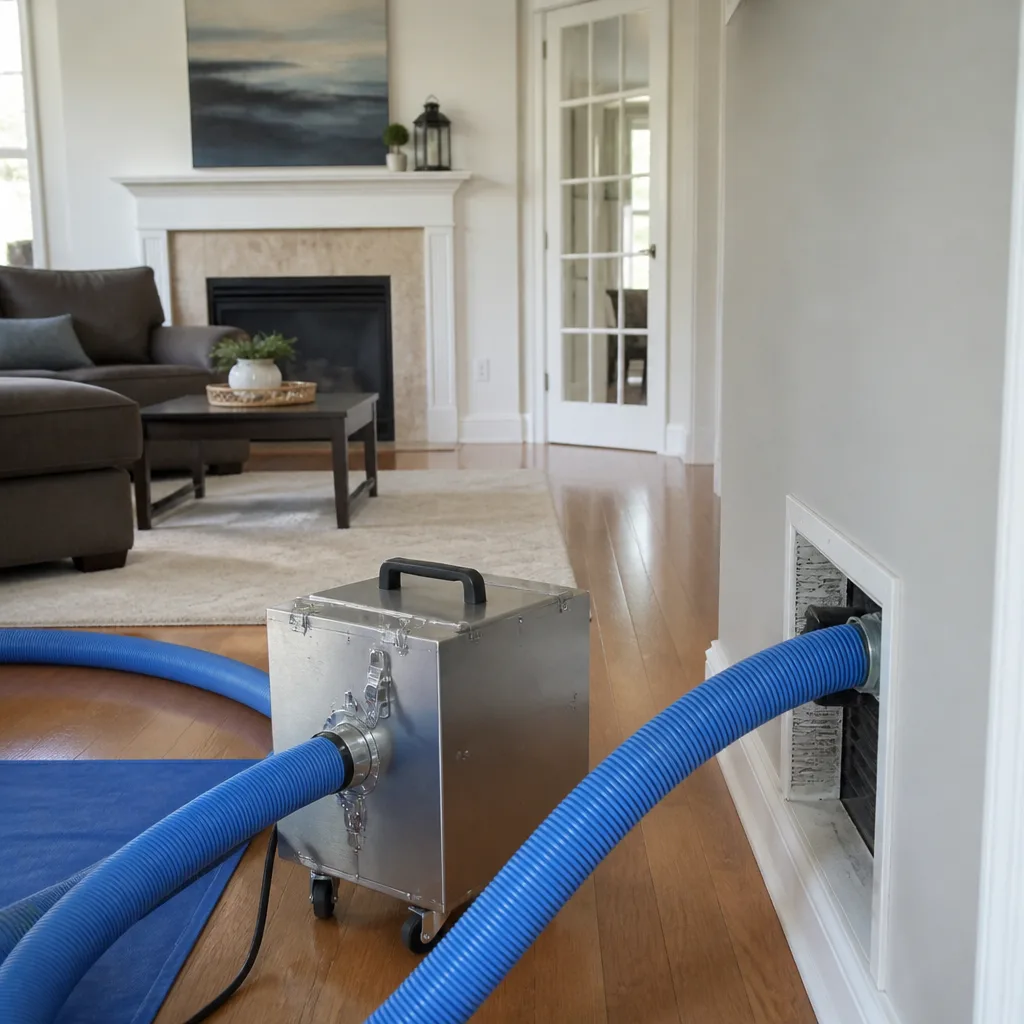 Whole-home duct cleaning
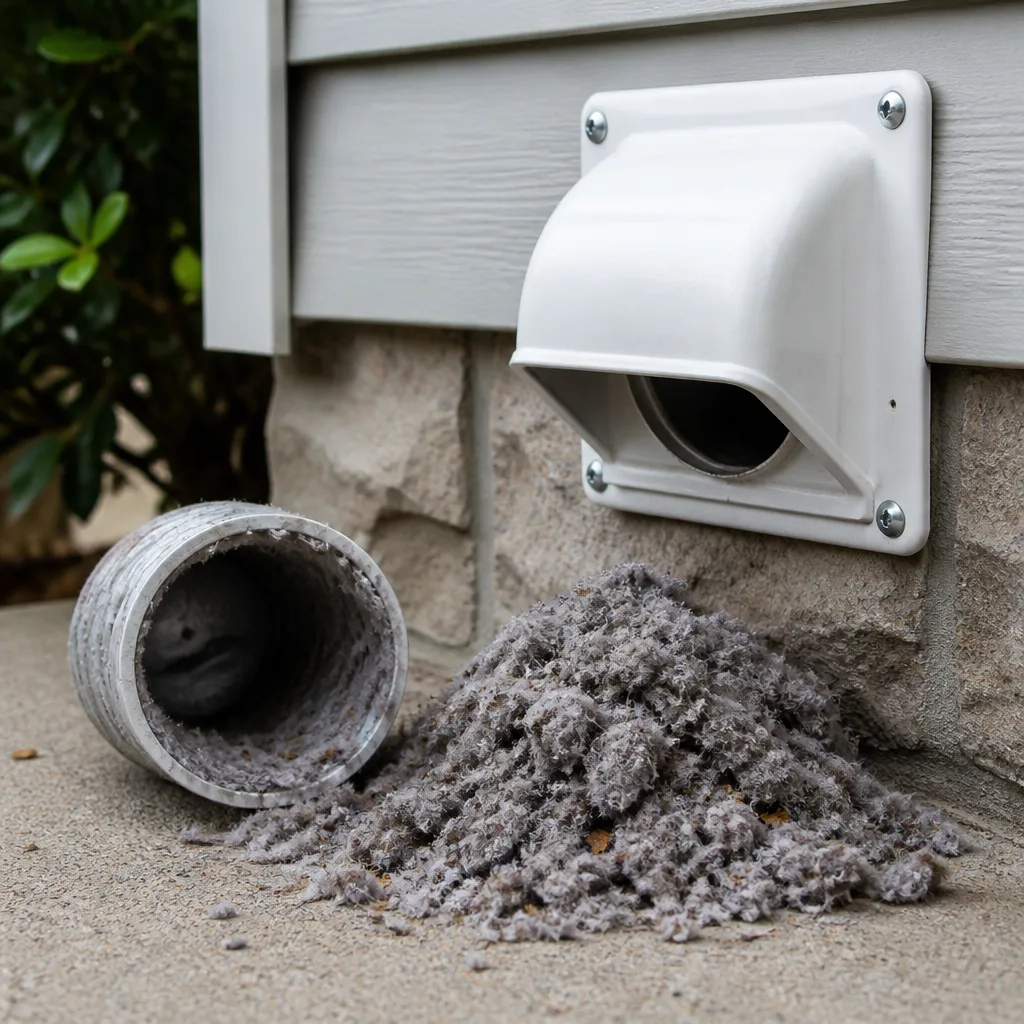 Dryer vent cleaning
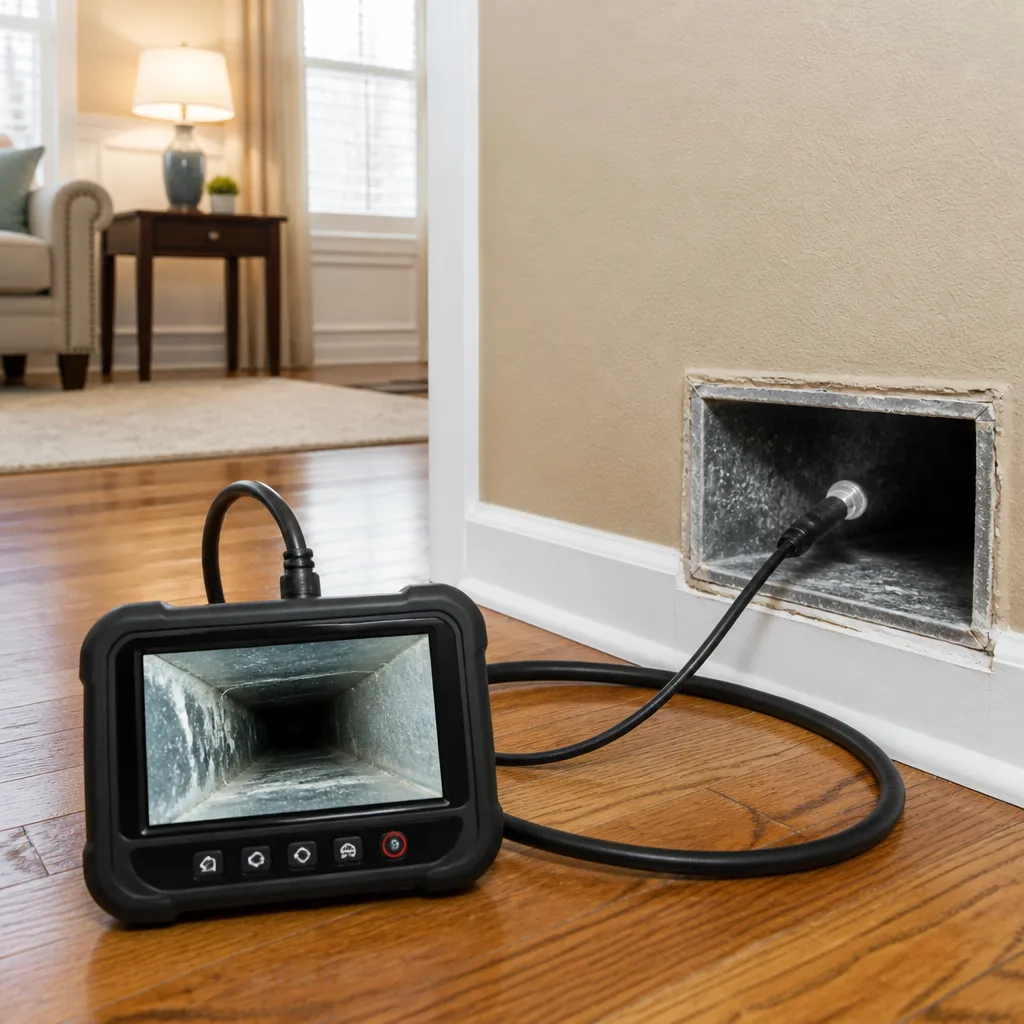 Camera inspection
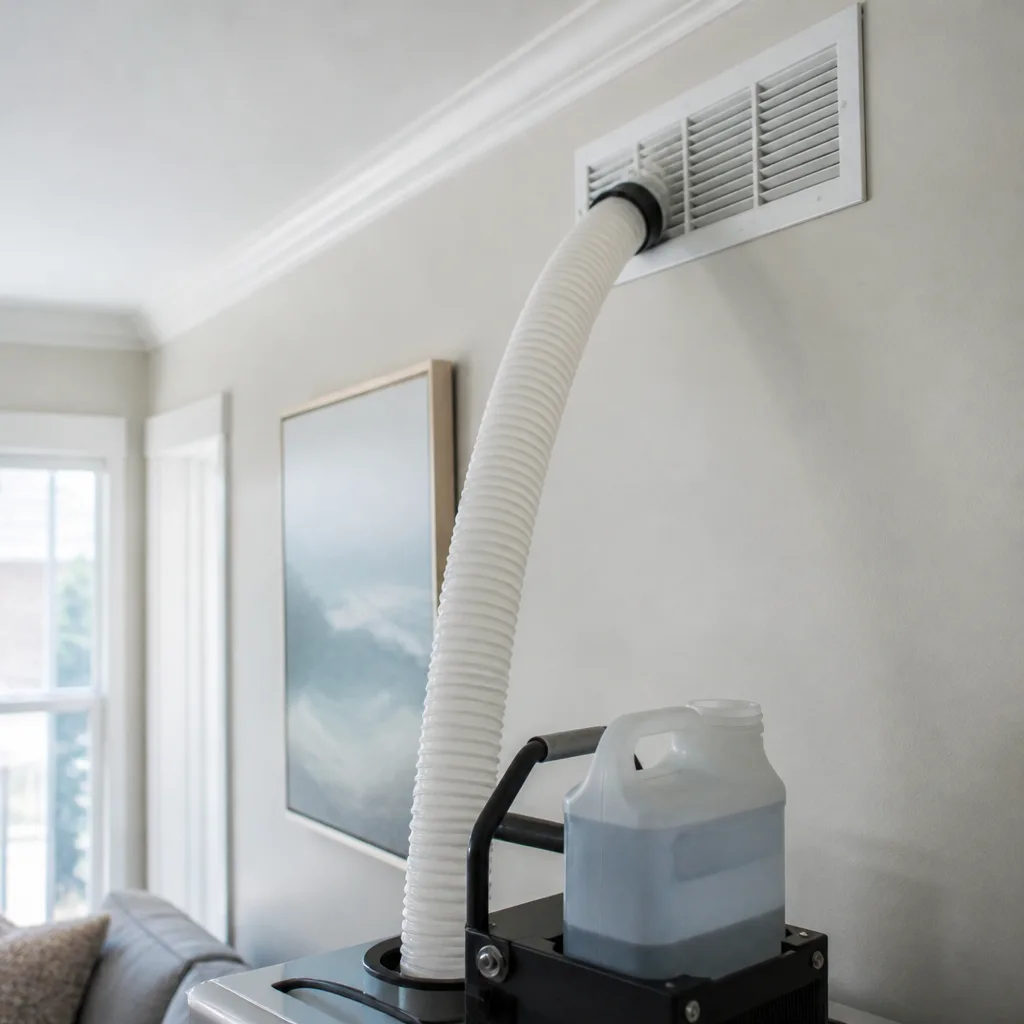 Sanitizing & deodorizing
Whole-system duct and dryer vent check with before-and-after photos - you see exactly what came out of your vents
That "$99 whole-house special" is a bait ad - the real number appears once they are in your hallway, or the "clean" is a shop-vac at the register. We photograph the inside of your ducts before and after instead.
Air Duct Cleaning Maintenance Checklist for West Valley City Homeowners
Most homeowners wait until they can see dust puffing out of a supply register. By that point, whatever is sitting in the ducts has been redistributing through the living space for months, and the cleaning you’re about to book was overdue before you noticed anything. A checklist for West Valley City ducts can’t be a generic “clean every spring” reminder, because the calendar here is set by winter inversion cycles, summer construction dust, and the first weeks of heating season. What follows is the schedule we actually recommend: what to watch for, when to look, what you can check yourself, and what needs a professional’s tools.
Quick Answer
Aim for a full duct inspection once a year and a professional cleaning every three to five years, timed to West Valley City’s seasons: check after inversion season in late winter, look again after summer construction and yard work settle, and clean before the heating season fires up. Change your filter every one to three months depending on the Salt Lake Valley air quality index and your home’s dust load. You can monitor some indicators yourself; others need a camera and airflow tools.
Styles & brands we work with
- Whole-home duct cleaning
- Dryer vent cleaning
- Camera inspection
- Sanitizing & deodorizing
Table of Contents
- Why a West Valley City Checklist Isn’t a Generic Reminder List
- The Seasonal Inspection Calendar for West Valley City Homes
- Five Physical Indicators You Can Monitor Yourself
- Filter-Change Intervals That Match the Salt Lake Valley Air Quality Index
- How to Document Duct Condition So You Have a Baseline
- What You Can Self-Assess vs. What Needs Professional Tools
- The Dryer Vent Line on Your Maintenance Checklist
- When Checklist Findings Point to Duct Repair, Not Just Cleaning
Why a West Valley City Checklist Isn’t a Generic Reminder List
West Valley City sits in the Salt Lake Valley, and the valley does something to air that flat inland towns don’t: it traps it. In winter, cold air settles under warmer air and an inversion lid holds particulate and dust near the ground for days at a time. That’s not a reason to panic, but it is a reason your return ducts pull in more airborne material during some months than others. A checklist calibrated to that rhythm beats a wall-calendar reminder every time.
Then there’s the construction side. West Valley City has seen steady residential and commercial building across its neighborhoods, from Granger and Hunter to Chesterfield and Westlake. Building activity means airborne drywall dust, sawdust, and yard debris that a running HVAC system will happily pull into return grilles. If you live near an active build site or you’ve had your own kitchen or basement remodeled, your duct contamination load rose during those months even if nothing else in the house changed.
So the checklist below works in three tiers: what any homeowner can watch, what should prompt a call, and what a trained technician with professional equipment checks that you never could from the hallway. Think of it as a schedule plus a set of diagnostic signals, not a to-do list you tick once and forget.
The Seasonal Inspection Calendar for West Valley City Homes
Timing matters as much as the task. Here’s the calendar we walk homeowners through when they ask when to look at their ducts. It follows the local climate rather than the national averages you’ll find on most home-maintenance sites.
- Late winter, after inversion season. Once the valley’s winter inversions break and the air clears, that’s the best window to check your return grilles and register faces for accumulated dust. Winter is also when the furnace runs hardest, so ducts have been under load for months.
- Early spring, post-heating-season soot check. Furnace combustion byproducts and settled dust from a full heating season show up in the return system. Look at the filter and note how dark it got over the winter.
- Late summer, after construction and yard-work season. West Valley City’s warm months bring landscaping, roof work, remodels, and neighborhood building. That’s the dust that ends up in return ducts, so check again before the system switches back to heating.
- Early fall, before heating season. This is the best time for a full professional inspection and cleaning if it’s due. You want clean ducts going into the season when they’ll run the most, not cleaned afterward.
- Anytime: after a remodel, a move-in, or a new HVAC install. Those events are inspection triggers regardless of the calendar. A system that just changed or a home you just bought deserves a look.
You’ll notice the calendar isn’t monthly. Duct maintenance is a seasonal and event-driven affair, not a recurring chore, and treating it that way saves you both money and worry. If you want a deeper walkthrough of the actual cleaning process, our guide to air duct cleaning covers what a professional cleaning involves from start to finish.
Five Physical Indicators You Can Monitor Yourself
You don’t need a camera to spot the earliest signs that ducts need attention. Here are the five we tell West Valley City homeowners to check periodically. A trained eye looks for all five because no single one tells the whole story.
- Flex-duct sag. Flexible ducting should run in smooth, supported arcs. If a run in the attic or crawlspace droops noticeably, it’s restricting airflow and trapping dust at the low point. Sagging usually means the supports have shifted or the duct was never hung properly.
- Joint separation. Check where duct sections meet, especially at the plenum and in accessible attic runs. A gap, even a small one, lets conditioned air escape and unfiltered air get drawn in. You can spot tape that’s peeling or a collar that’s pulled loose.
- Liner degradation. Some rigid duct is lined on the inside. If you can see the liner through a register and it looks frayed, torn, or flaking, that’s a professional’s call, because deteriorated liner sheds particles into the airstream.
- Visible dust trails at registers. A light dusting at a supply register is normal. Dark streaks or dust on the wall around the register suggests the system is pushing more than it should.
- Uneven airflow room to room. If one room has always been weak and it’s getting worse, the cause could be debris blocking a branch, a separated joint, or a damper that’s drifted. Airflow changes are a useful early signal.
These are observation points, not repair instructions. Note what you see and when you saw it, then let a professional diagnose. Flex-duct and joint problems in particular are best handled by someone with the right tools, especially in tight attic spaces.
Filter-Change Intervals That Match the Salt Lake Valley Air Quality Index
Here’s where national advice fails West Valley City. Most filter packaging tells you to change every 90 days, and every HVAC site repeats it. In the Salt Lake Valley, the right interval depends on the season and the air quality index, which can climb during winter inversions and summer wildfire smoke. A filter that would last three months in a humid coastal town can load up faster here.
Practical intervals we recommend:
- Standard 1-inch filters: every one to two months during heating season and during any stretch when the air quality index is elevated. Every two to three months in the milder shoulder seasons.
- Pleated 4- to 5-inch media filters: longer intervals, closer to three to six months, but check monthly during inversion season because loading can accelerate quickly.
- After construction or a remodel: change immediately, regardless of how new the filter is. Drywall dust and sawdust will clog a filter in days.
How you know it’s time comes down to three things: color, airflow, and how often you’re vacuuming. A filter that’s dark gray across the face is done. A filter that’s fine on the surface but causing your system to work harder is also done. And if the dust on your furniture is building up faster than usual, the filter is a good place to start.
If you want filtration that goes beyond a filter change, we work with products from Honeywell and Aprilaire, including media filtration and humidity-control equipment that pairs with your existing system. That’s a conversation worth having with a specialist rather than a general cleaning service, because the equipment has to match the ductwork and the home’s airflow.
How to Document Duct Condition So You Have a Baseline
One habit separates homeowners who make good maintenance decisions from those who guess: they keep a record. It doesn’t take long, and it pays off the first time someone gives you a cleaning recommendation, because you’ll know whether the condition they’re describing matches what you’ve been watching.
Here’s how to build a simple baseline. Take a dated photo of the inside of one accessible return grille and one supply register. Note the filter type, the date you changed it, and what it looked like when you pulled it. Jot down anything you saw at the five indicator points from the last section. If you’ve had your ducts professionally cleaned, keep the before-and-after photos and the written summary of what was found. Do this at the start of heating season and again at the end, and you’ll have a record that tracks change over time, which is the whole point.
When a contractor recommends cleaning, a baseline record lets you ask useful questions. Was there a jump in dust since the last check? Did the flex duct sag worsen? Are they recommending repair for something you already noted? Reputable technicians expect this and will welcome it. The industry has a well-earned reputation problem, where a low advertised price turns into a large invoice once the technician is on site. Documentation is your defense against that. When we do a cleaning, we show before-and-after photos of your own ducts and agree one flat price per system before any work starts, so you always have a verifiable record.
What You Can Self-Assess vs. What Needs Professional Tools
Be clear-eyed about which checklist items you can handle and which you can’t. Trying to inspect deeply into ductwork with a flashlight and a phone camera gives you a partial picture, and for some issues a partial picture is worse than none because it creates false confidence.
You can self-assess:
- Filter condition and change timing
- Visible dust at registers and grilles
- Obvious flex-duct sag or exposed joint separation in accessible attic or crawlspace runs
- Airflow differences room to room (by feel, over time)
- Dust buildup on furniture and in the return grille face
A professional needs to assess:
- Internal duct condition beyond what a phone camera can reach
- Contamination load and whether a sanitizing treatment is appropriate
- Liner degradation deep inside rigid runs
- Airflow static pressure and system balance
- Whether a finding points to repair rather than cleaning
This is where professional-grade equipment matters. We use Rotobrush and Nikro duct-cleaning systems, the same platforms specified on commercial and restoration projects, because consumer-grade vacuums and brushes can’t generate the agitation and negative pressure needed to actually remove contamination rather than stir it. For contamination-sensitive situations, we also use Abatement Technologies equipment. If you’re comparing services, ask what machines a company uses; it’s one of the clearest markers of whether you’re getting a real cleaning or a surface pass. A free estimate from us is a straightforward way to get a trained set of eyes on your system without pressure.
The Dryer Vent Line on Your Maintenance Checklist
Your air ducts aren’t the only ductwork in the house that needs a schedule. The dryer vent is on a separate timeline, and it carries a genuine safety case rather than a comfort one. Lint accumulates in the vent run and is highly combustible; it’s the reason dryer vent cleaning belongs on a home-safety list, not a comfort list.
Check these points:
- Drying time. If a typical load is taking noticeably longer than it used to, restricted airflow is a likely cause.
- Heat and moisture. A dryer that’s hot to the touch or leaves the laundry damp points to a clogged vent.
- The exterior vent flap. With the dryer running, the flap outside should open fully and push air out strongly. Weak flow is a warning sign.
- Lint around the connection. Lint building up behind the dryer or at the connection point suggests the run needs attention.
We include dryer vent cleaning as one of our three services precisely because it’s a distinct hazard most cleaning companies treat as an afterthought. If you can’t remember the last time the vent run was cleared, that’s reason enough to have it looked at. For a fuller picture of why this matters and how the service works, see our page on West Valley City.
When Checklist Findings Point to Duct Repair, Not Just Cleaning
Here’s a distinction a lot of homeowners miss: a duct system can be clean and still be losing you money. Cleaning removes contamination. Repair fixes the leaks, separations, and damaged runs that let that contamination back in and let conditioned air escape. If your checklist keeps flagging the same joint or the same sagging run, cleaning alone won’t solve the underlying problem.
Look for these signs that repair is the right answer:
- A separated joint or collar you’ve noted more than once
- Flex duct that’s crushed, kinked, or sags so much it restricts airflow
- Liner that’s torn or flaking inside a rigid run
- A run that’s disconnected entirely in the attic or crawlspace
- Persistent weak airflow to one room after a cleaning
We repair what others walk past. A lot of cleaning companies stop at the cleaning step, leaving damaged ductwork in place and efficiency losses ongoing. We offer duct repair as a defined service so a cleaning and a repair can happen in one visit rather than two, using Guardsman components and materials where a repair calls for them. If you’ve been watching the same issue on your checklist for a season, that’s the sign it’s time for a repair assessment rather than another cleaning. If you’re looking for a place to start, we’re Oakridge Air Duct Cleaning, and our technicians have up to 8 years of experience specifically with ductwork.
Common Mistakes to Avoid
- Treating duct cleaning as a fixed annual chore. West Valley City’s seasons (inversions, construction, heating) drive the schedule, not a wall calendar. A yearly reminder misses the events that actually matter.
- Chasing the lowest advertised price. A teaser figure that becomes a much larger invoice once the technician is on site is the industry’s signature problem. Ask for one flat price per system agreed before work starts.
- Changing filters on a national 90-day rule. Salt Lake Valley air quality, especially during inversions and summer smoke, shortens that interval. Check the filter, not the calendar on the packaging.
- Skipping the dryer vent. It’s a separate system with a separate, genuine safety case. If you can’t recall the last cleaning, put it on the list.
- Cleaning without fixing what’s broken. A separated joint or crushed flex run will just reintroduce the problem. Repair and cleaning should be considered together.
- Taking a recommendation without a baseline. If you’ve documented your duct condition over time, you can tell whether a suggested service matches reality. No record means no way to check.
- Assuming a big-name equipment brand means a real cleaning. The machine matters, but so does how it’s used. Ask what specific system a company runs and whether they’ll show before-and-after photos.
See the difference
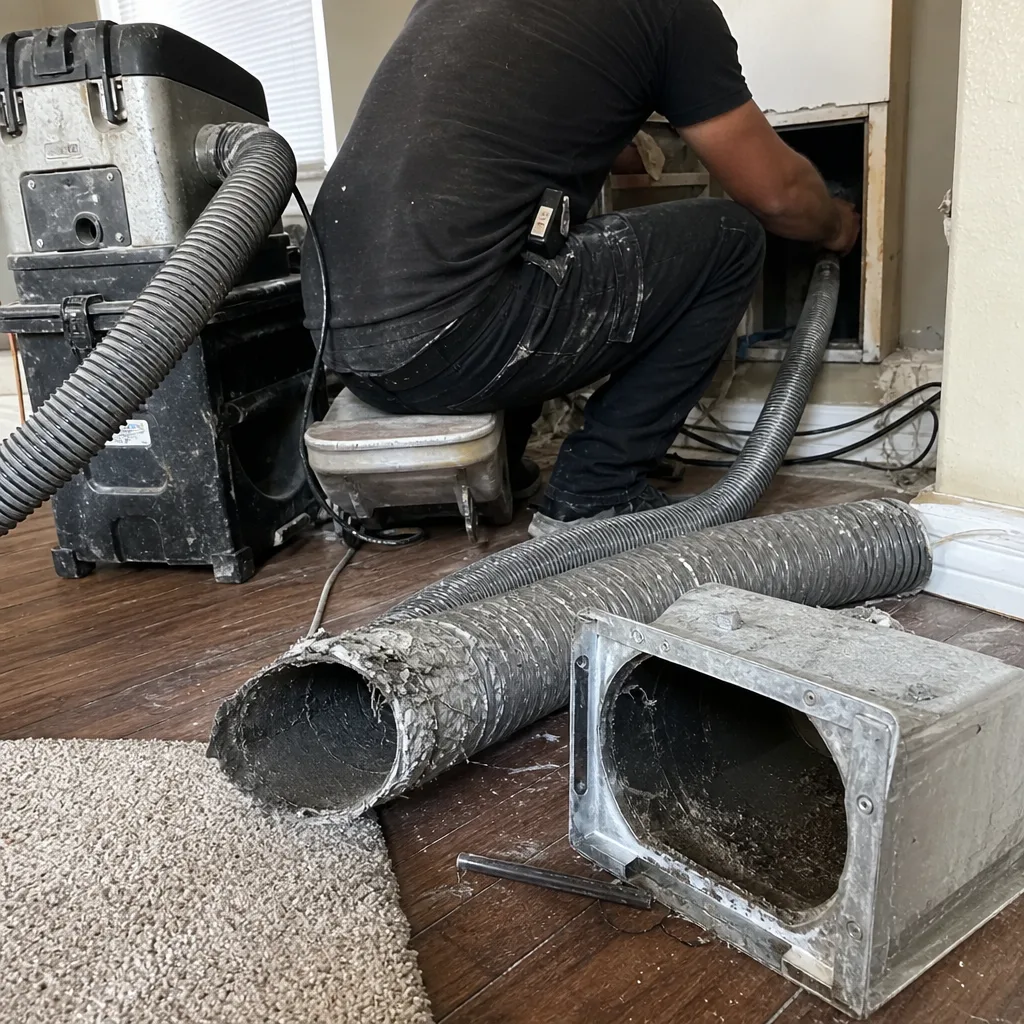 Before
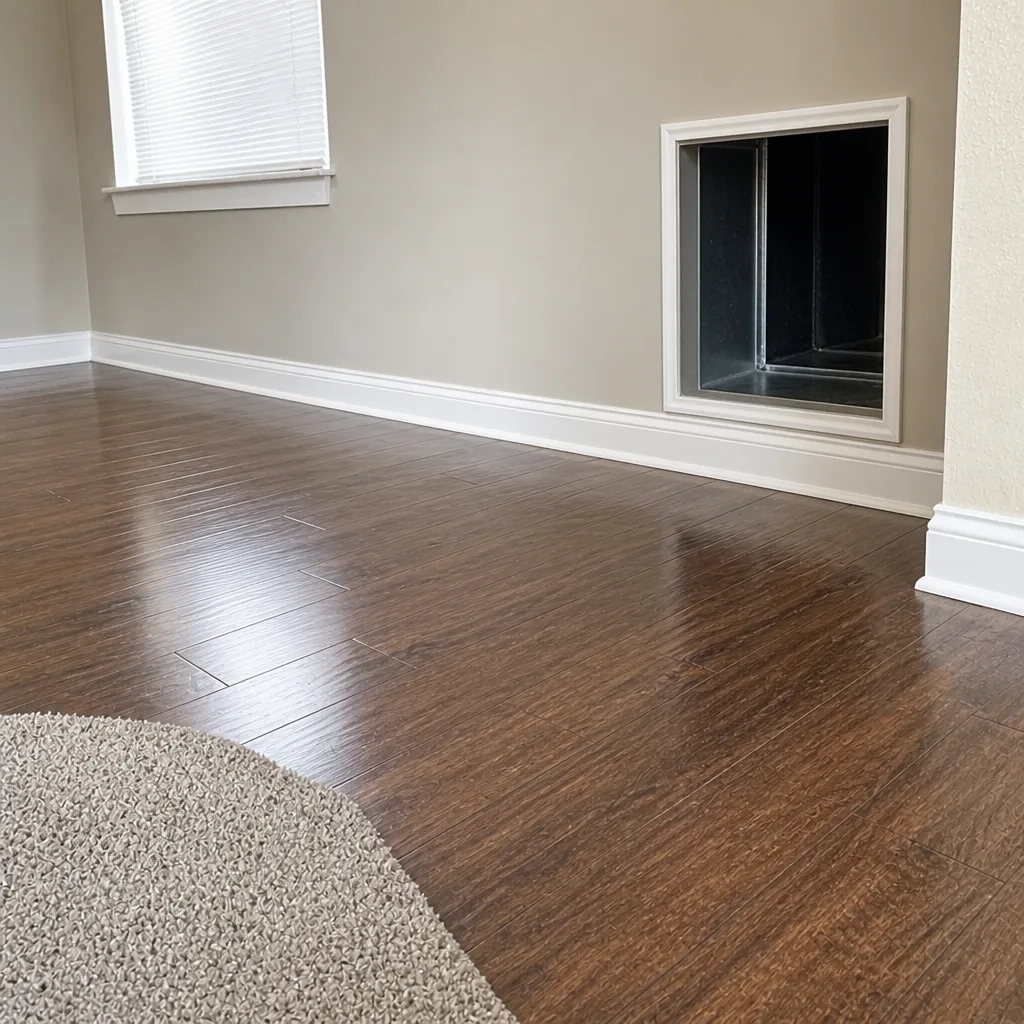 After
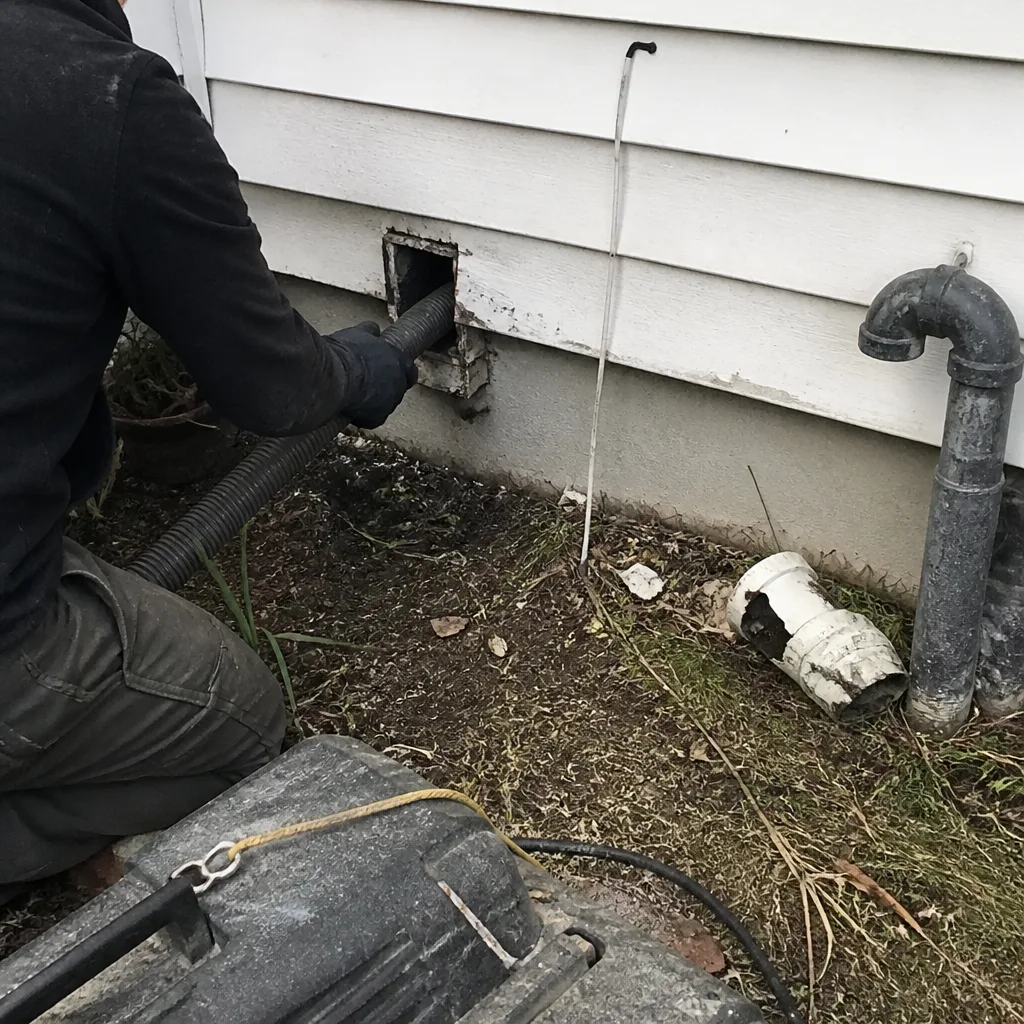 Before
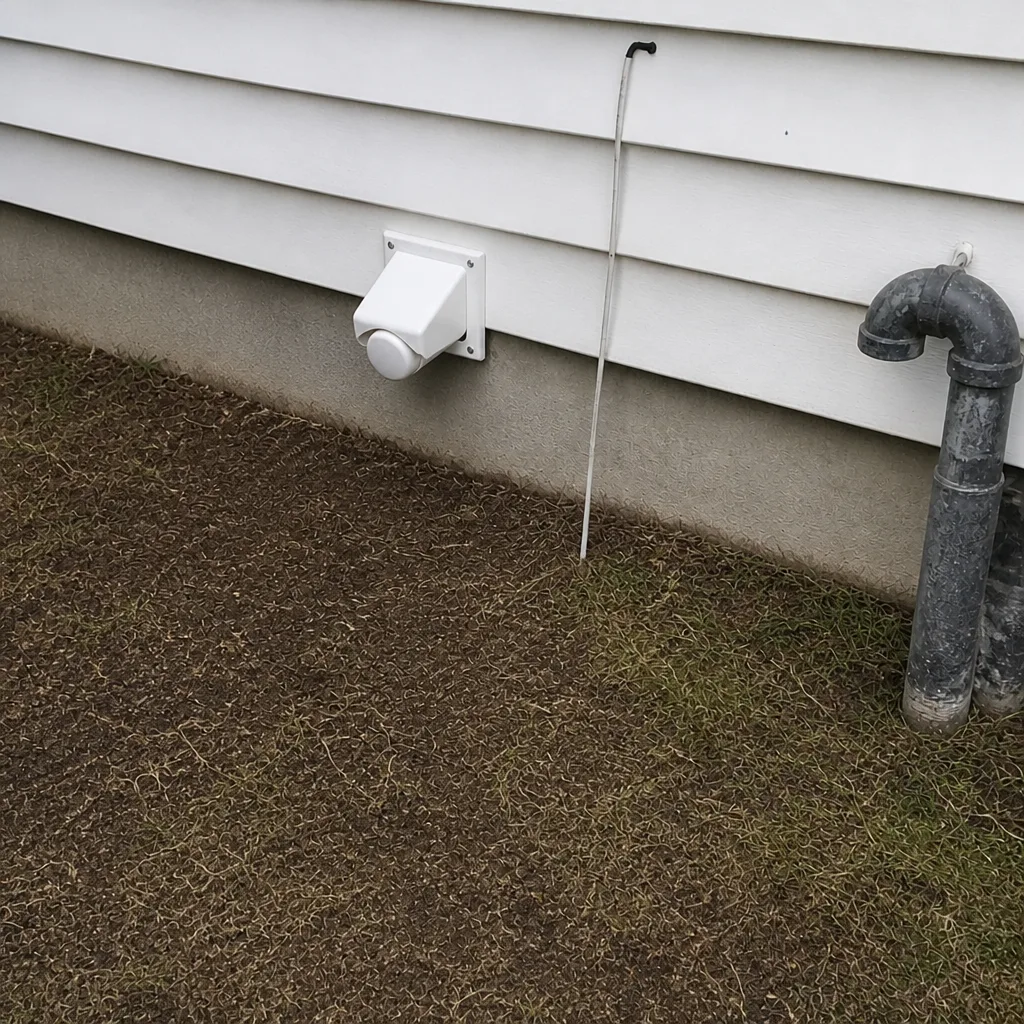 After
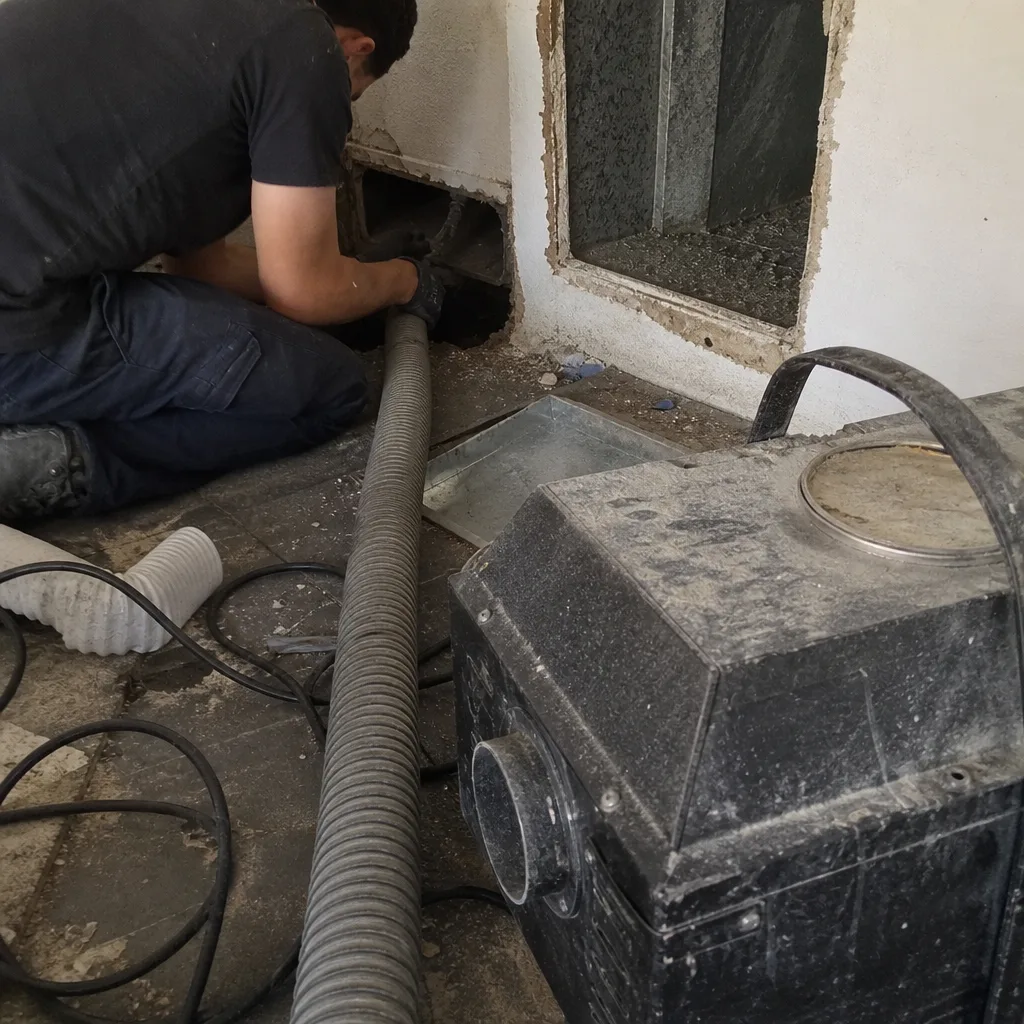 Before
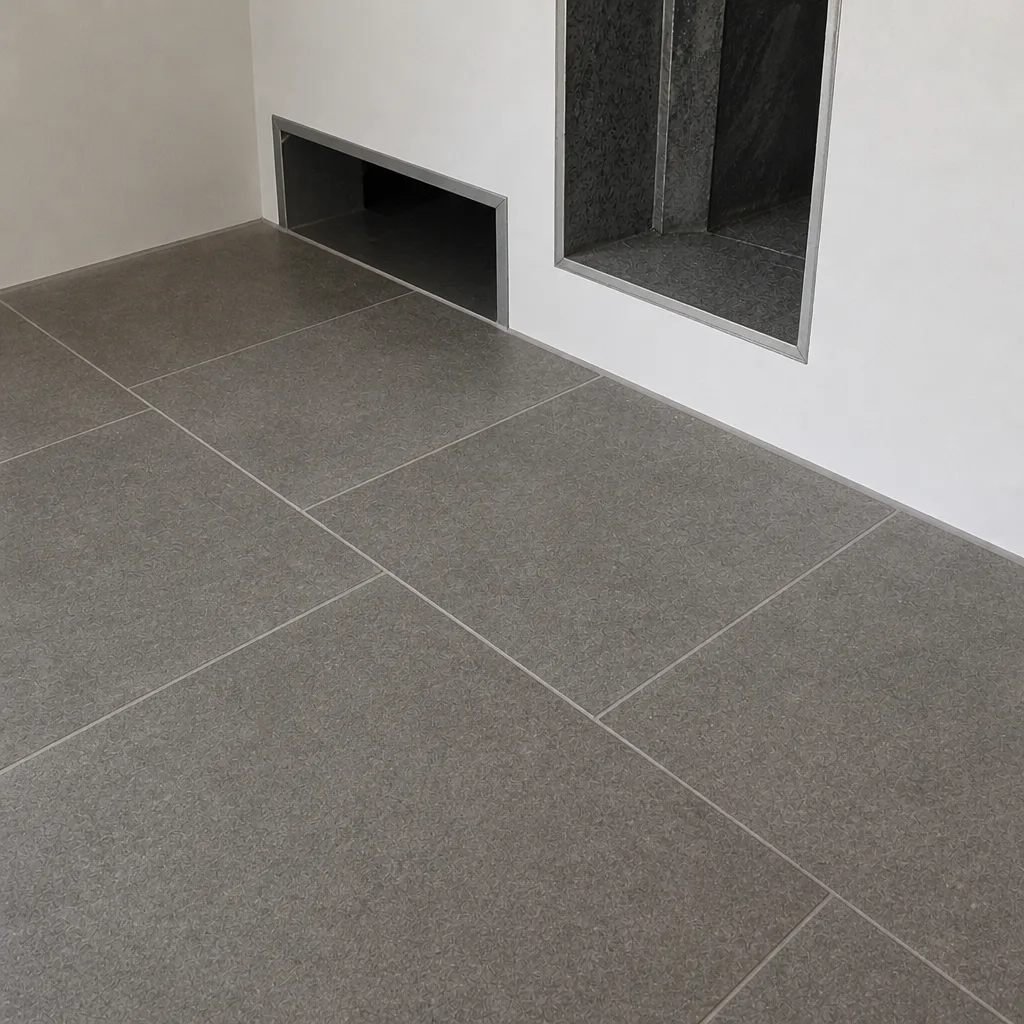 After
When to Call a Professional
You should call a professional if you’ve noted a separated joint or sagging flex run more than once, if airflow to a room has visibly worsened, if your dryer is taking longer to dry loads, or if you can’t remember the last time your ducts were inspected and you’ve been through a remodel or a move-in. Those are clear signals, not vague ones. Oakridge Air Duct Cleaning offers free estimates in West Valley City. Call (833) 749-0886. We answer 24/7. We’ll inspect, explain what we find, and give you one flat price per system before any work starts, with before-and-after photos of your own ducts when the job is done. Fast dispatch from 7am to 7pm, Sunday through Friday.
Frequently Asked Questions
Most homes here do well with a professional cleaning every three to five years, with an annual inspection in between. The schedule shifts earlier if you’ve been through a remodel, moved into a new home, or noticed the classic signs like worsening airflow or heavy dust at the registers.
Early fall, before heating season starts, is the best window. That way the ducts are clean going into the months when the system runs most. A late-winter check after inversion season breaks is also a good time to assess condition.
Every one to two months during heating season and during any stretch when the Salt Lake Valley air quality index is elevated. Standard 1-inch filters load faster than thicker media filters, so check the filter directly rather than relying on a fixed rule. Pleated 4- to 5-inch media filters can go three to six months, but check them monthly during inversion season.
We don’t quote per-vent prices or teaser numbers. Pricing is per job by a written estimate after we’ve seen your system, and the written estimate sets the final price. That protects you from the bait-and-switch pattern the industry is known for. Call us for a free estimate.
Often because they’re teaser figures that grow once the technician is on site, or because the equipment can’t do a real cleaning. Ask what machine a company uses and whether you’ll get before-and-after photos. A flat price per system agreed in advance is the fairest structure.
Before-and-after photos of your own ducts are the simplest proof. Ask for them up front, and keep them with the rest of your maintenance record so the next service has a baseline to compare against. Call (833) 749-0886 for a free estimate.
You can handle a good part of it. Filter condition, visible dust, obvious sag or joint separation, and airflow changes are all things you can watch. Internal condition, contamination load, liner degradation, and airflow pressure need professional tools and a trained eye.
The Bottom Line
A maintenance checklist for West Valley City ducts should run on the valley’s seasons, not a generic reminder. Check after inversion season breaks, again after construction season, and schedule a cleaning before heating season when it’s due. Change filters on local air-quality conditions, not a national 90-day rule. Watch the five physical signs (flex duct sag, joint separation, liner degradation, dust patterns, and airflow shifts) and record what you see, because a documented baseline protects you when a recommendation comes in. When a finding points to damaged ductwork, cleaning alone won’t fix it; that’s when repair is the answer. If you want a trained set of eyes on your system, we’re here for a free estimate.
Oakridge Air Duct Cleaning offers three defined services: air duct cleaning, dryer vent cleaning, and duct repair. Our technicians have up to 8 years of experience. We use professional-grade equipment from Rotobrush and Nikro and work with Honeywell and Aprilaire products. Call (833) 749-0886. We answer 24/7. Fast dispatch from 7am to 7pm, Sunday through Friday, closed Saturday.
Written by the team at Oakridge Air Duct Cleaning.