
Last updated November 14, 2026
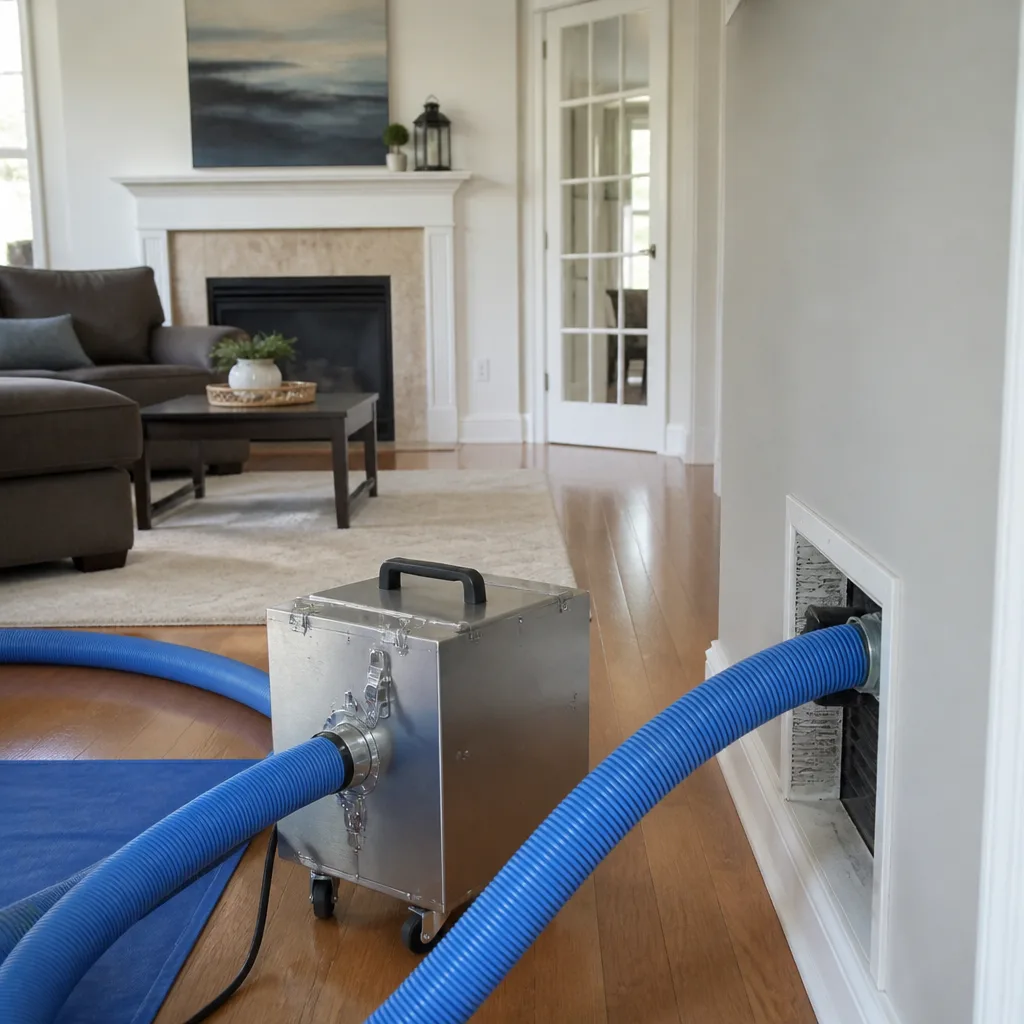 Whole-home duct cleaning
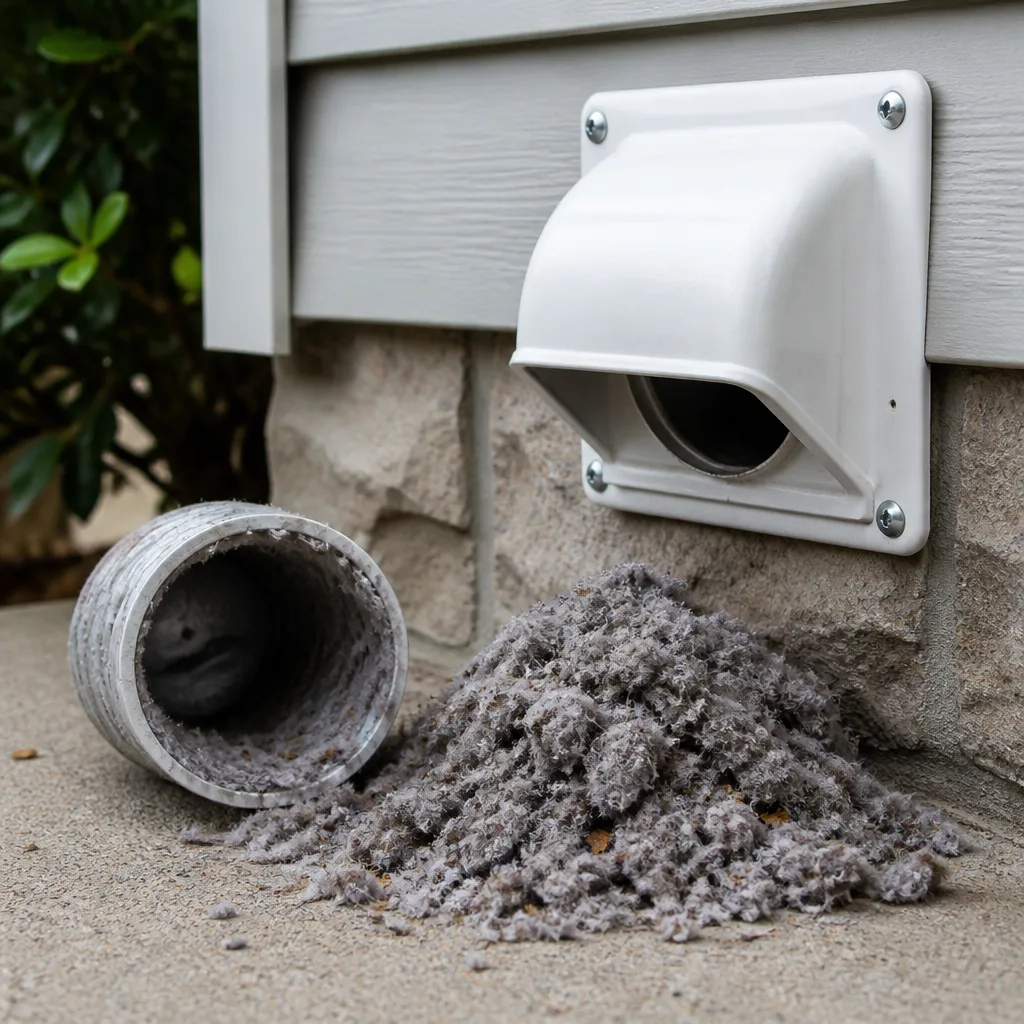 Dryer vent cleaning
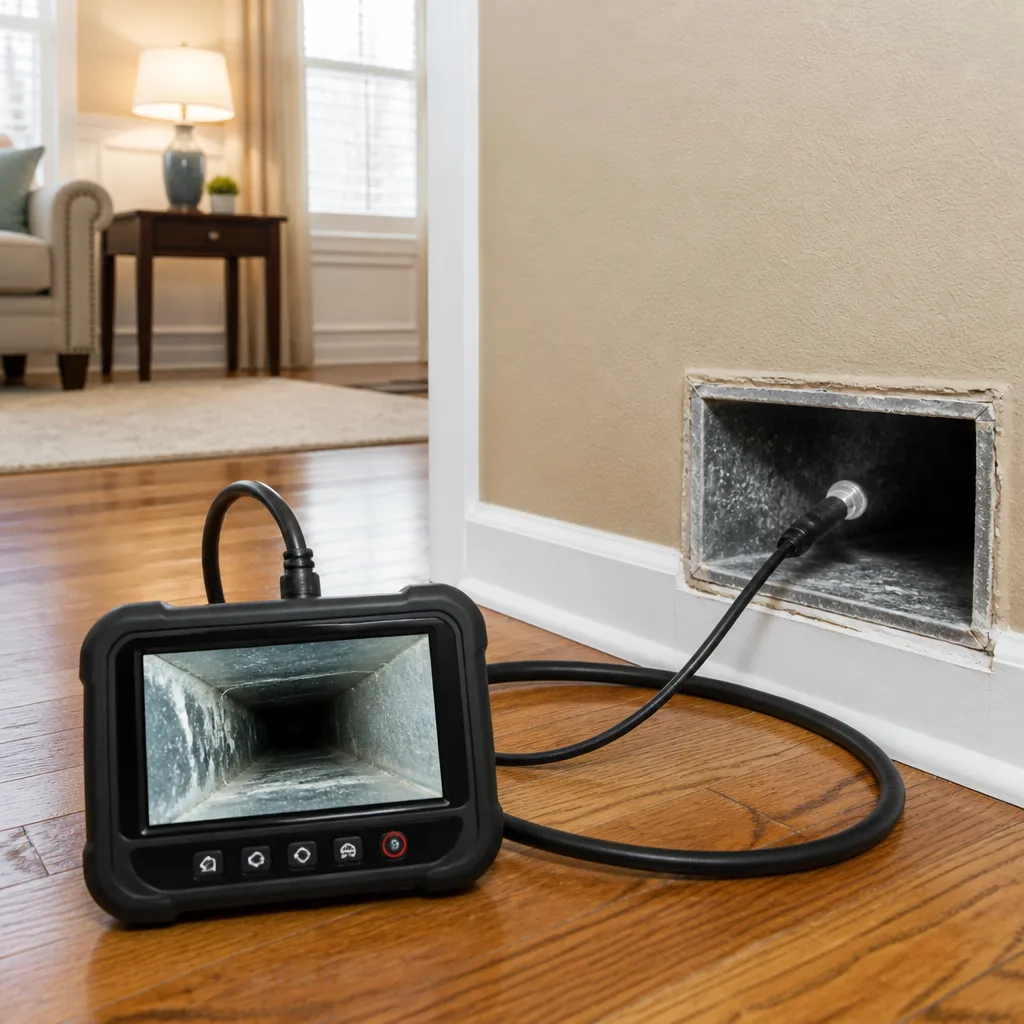 Camera inspection
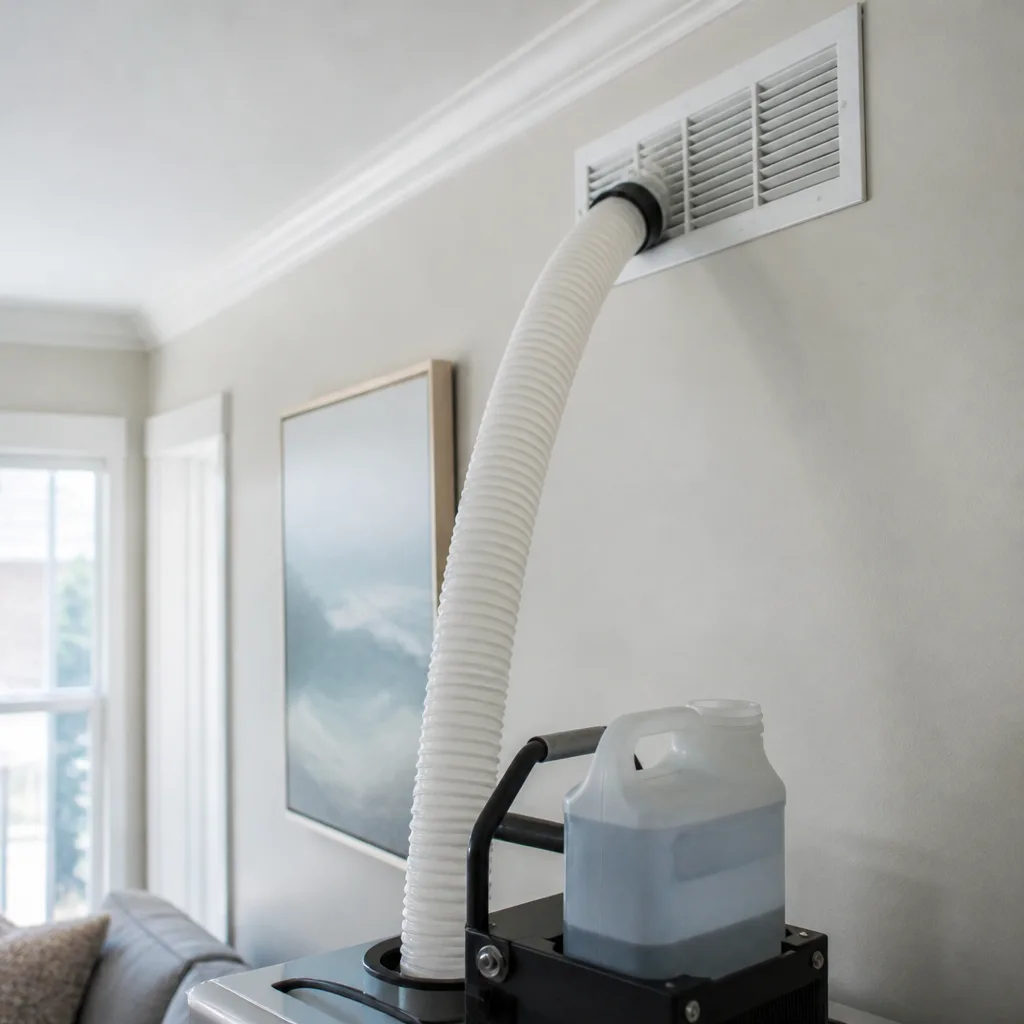 Sanitizing & deodorizing
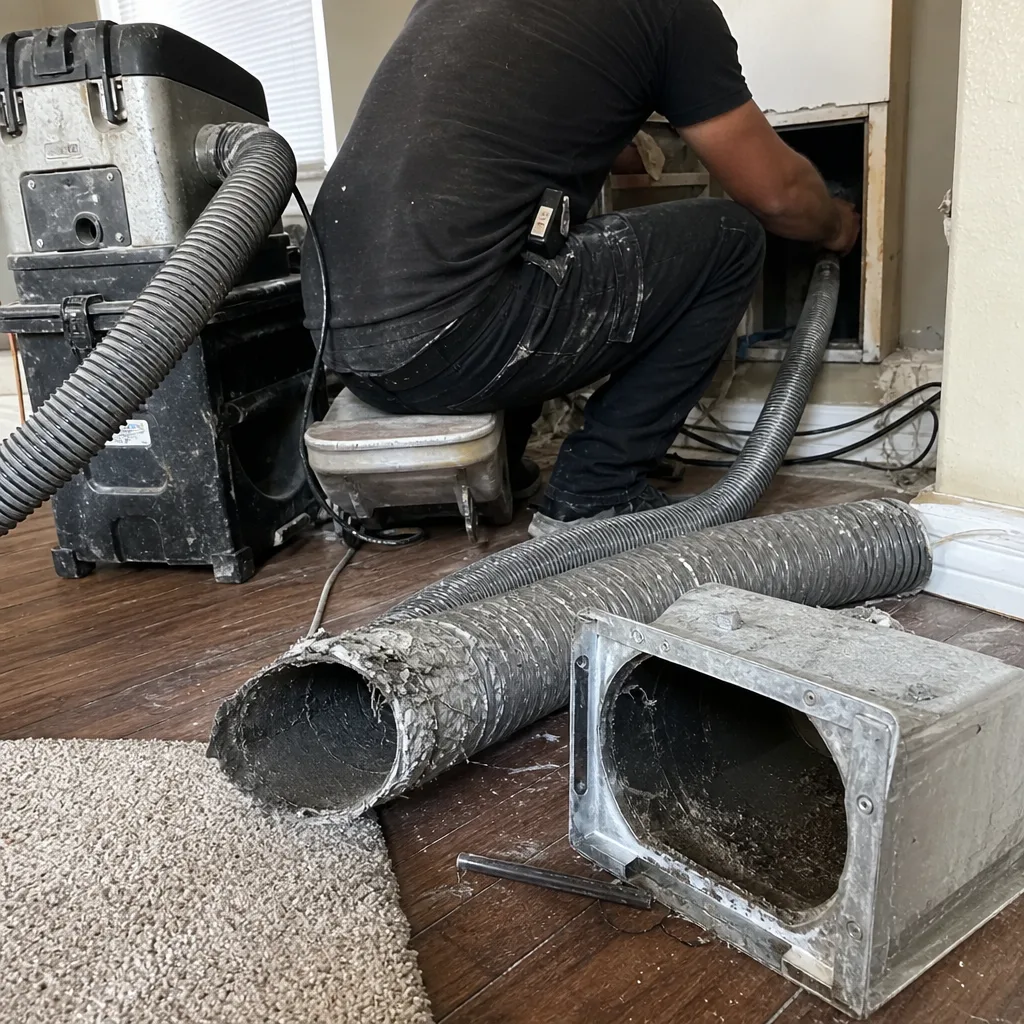
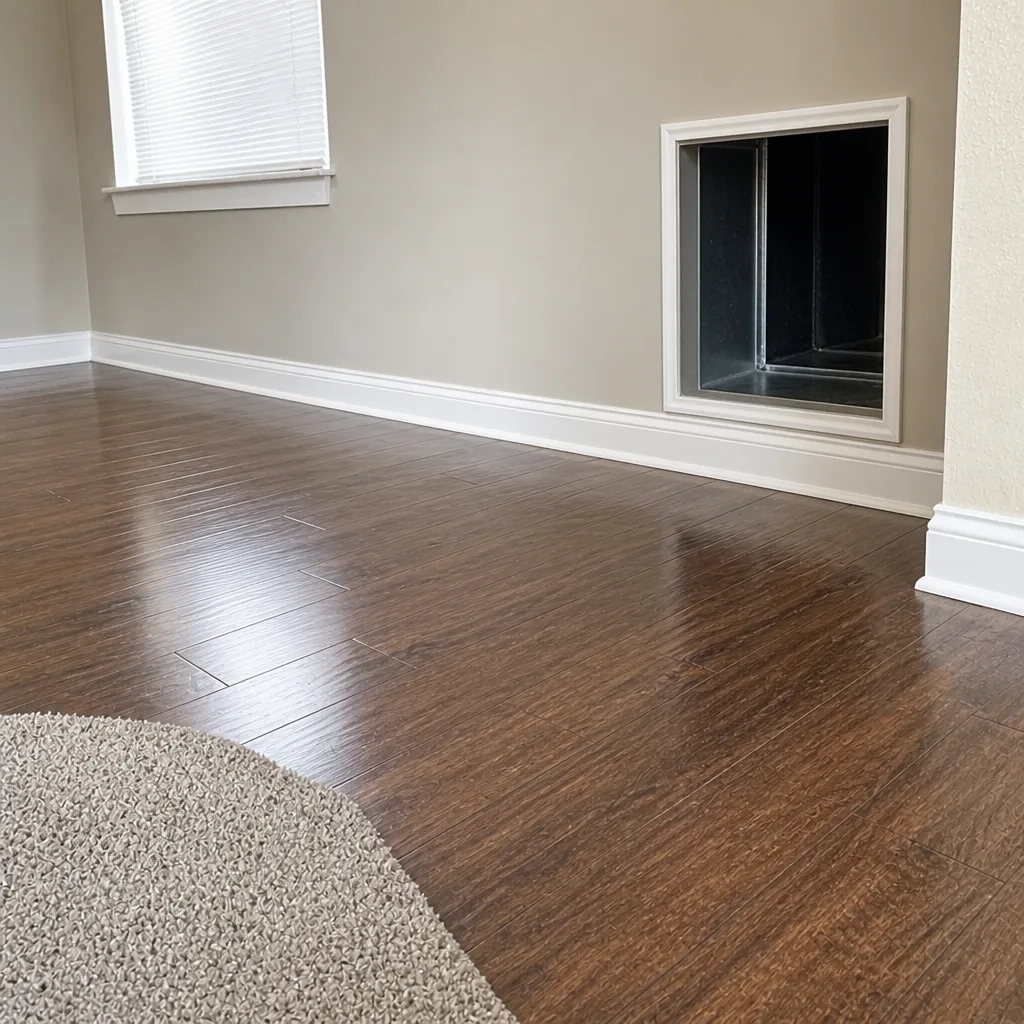
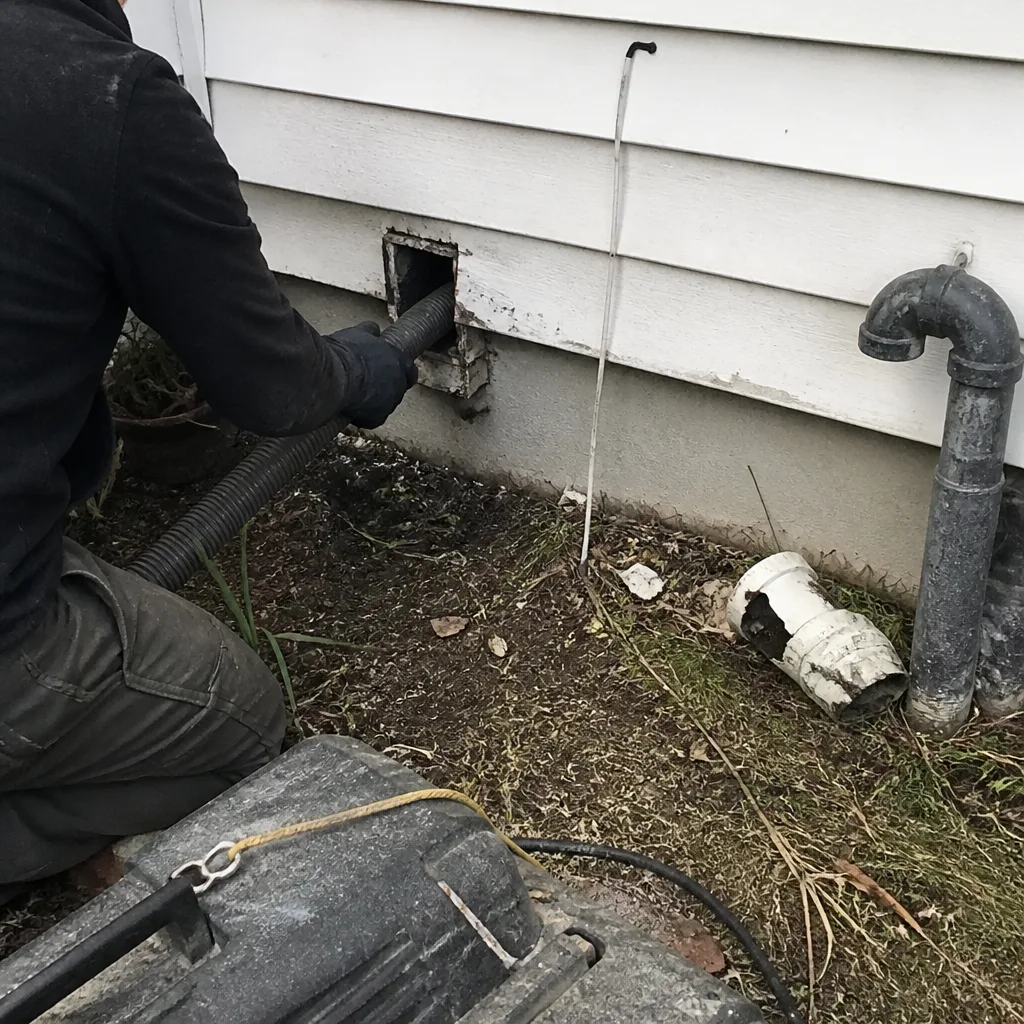
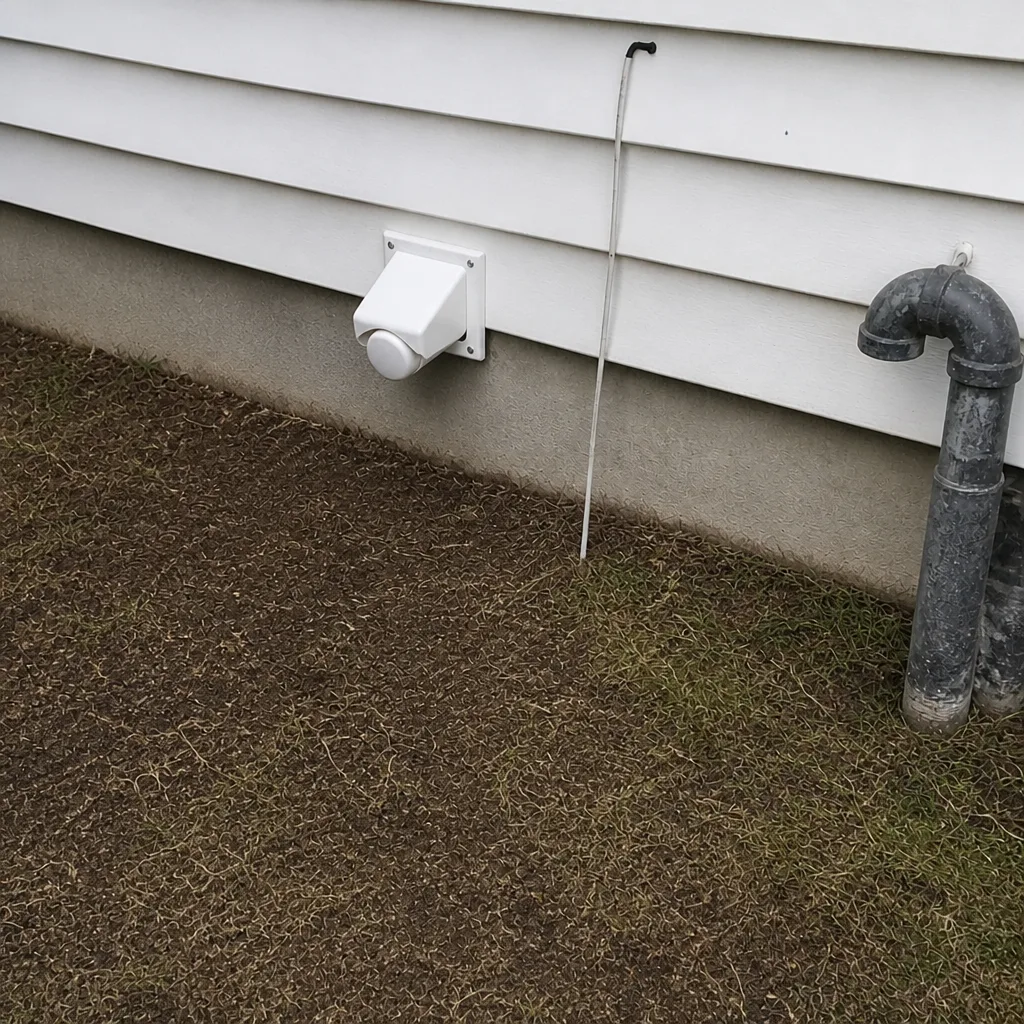
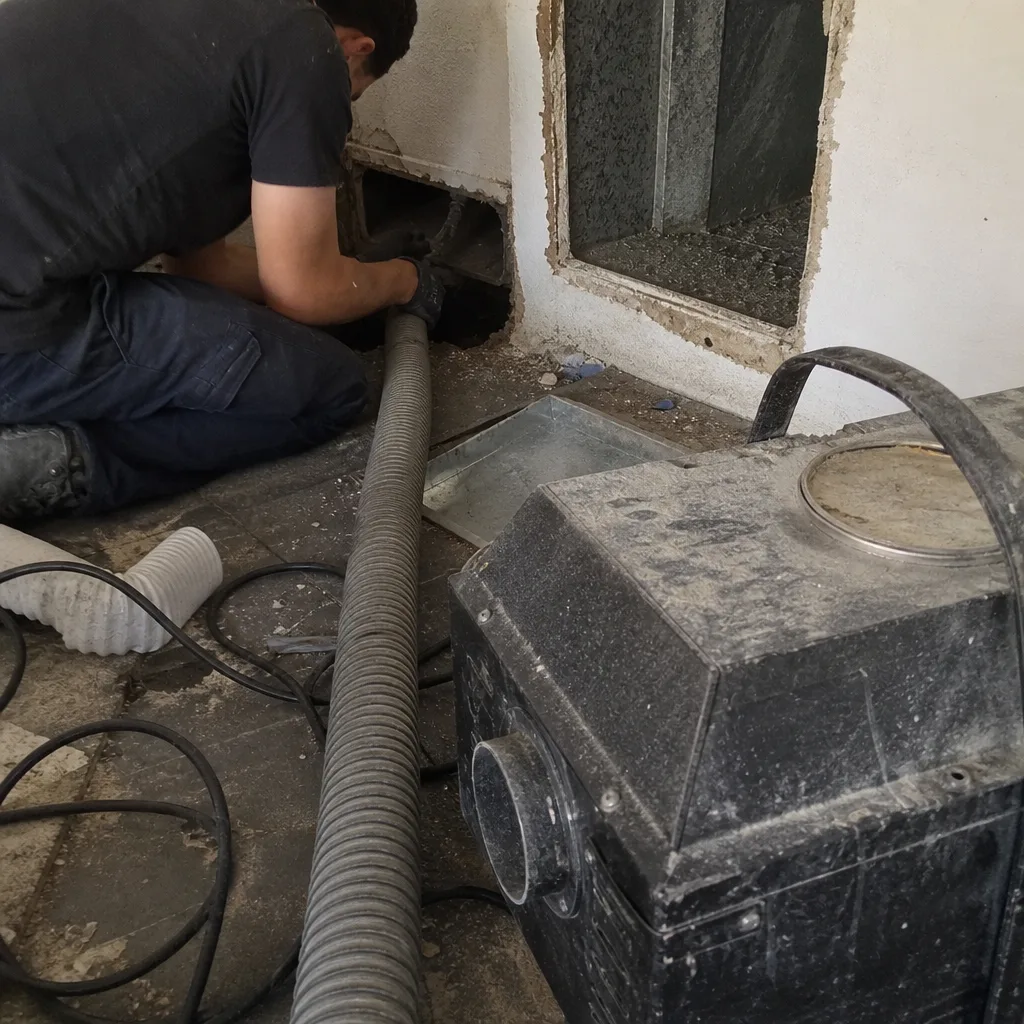
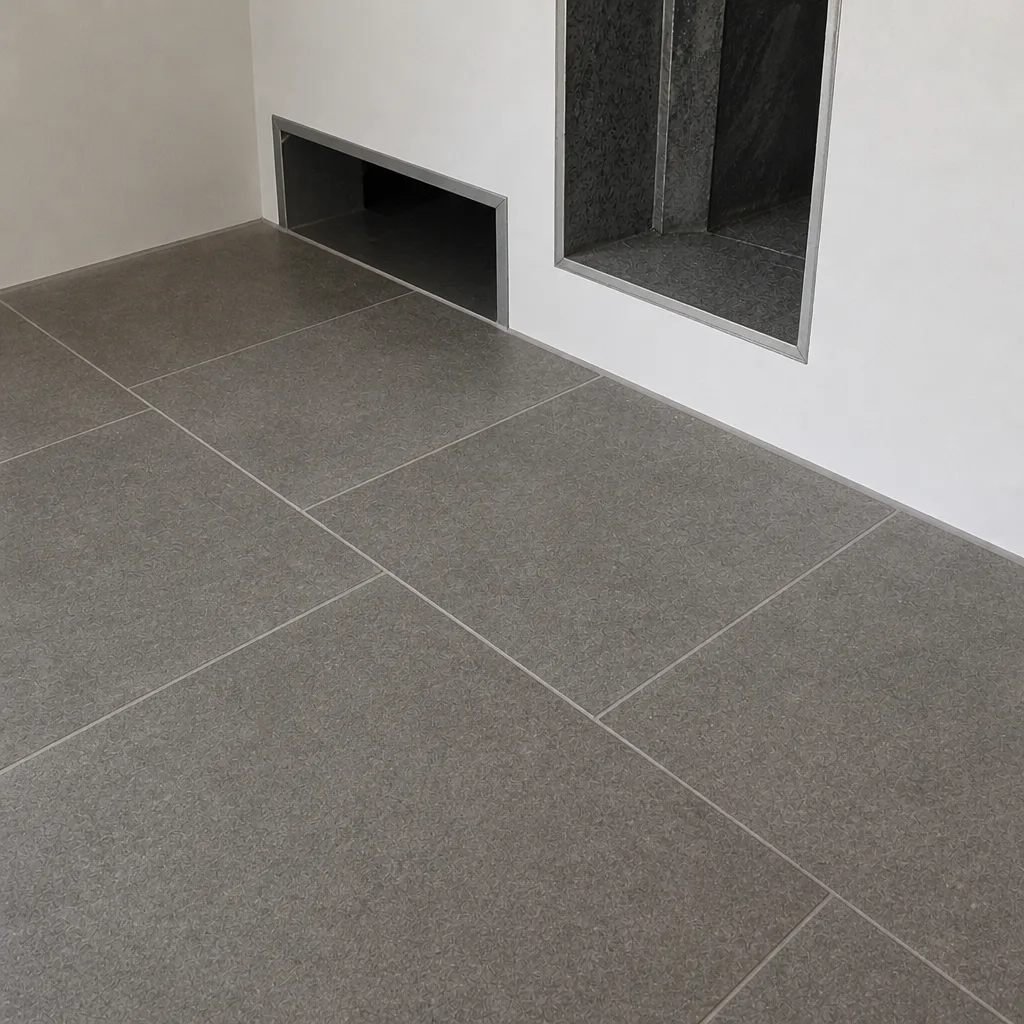
Whole-system duct and dryer vent check with before-and-after photos - you see exactly what came out of your vents
That "$99 whole-house special" is a bait ad - the real number appears once they are in your hallway, or the "clean" is a shop-vac at the register. We photograph the inside of your ducts before and after instead.
Air Duct Cleaning Emergency Preparedness Guide for West Valley City Homes
Most homeowners treat duct cleaning as routine housekeeping, scheduled when someone remembers. That framing breaks down after two kinds of events that hit West Valley City harder than most people expect: wildfire smoke events and water intrusion. Smoke doesn’t simply pass through a duct system. Ultrafine particles and volatile organic compounds settle onto duct liner surfaces and keep releasing into your indoor air for weeks after the sky clears. Water that reaches ductwork starts a clock measured in hours, not days. This guide covers what to do in the first hour, how the remediation protocol differs for smoke versus water, what documentation your insurer will ask for, and how to tell whether your ducts were compromised at all. We’ll walk through both scenarios in plain terms, from the shutdown steps you can take yourself to the written records you should collect before and after a contractor arrives.
Quick Answer
After a wildfire smoke event or a flood that reaches your ductwork, isolate the HVAC system immediately, document everything with photos and dates, and schedule professional cleaning that includes HEPA filtration rather than standard vacuuming alone. Smoke residue requires filtration plus deodorization because particles bond to duct surfaces; water intrusion requires action within 48 to 72 hours before mold growth begins. Call Oakridge Air Duct Cleaning at (833) 749-0886 for a free estimate. We answer 24/7. Fast dispatch from 7am to 7pm, Sunday through Friday.
Styles & brands we work with
- Whole-home duct cleaning
- Dryer vent cleaning
- Camera inspection
- Sanitizing & deodorizing
Table of Contents
- Post-Wildfire Smoke Protocol: When to Act and What to Request
- Flood and Moisture Events: The 48-72 Hour Window
- HVAC Shutdown and Isolation Steps
- Renovation and Construction Compromise in Newer Neighborhoods
- What to Request in Writing After Remediation
- Insurance Documentation: What Adjusters Actually Want
- How to Assess Whether Your Ducts Were Compromised
- Common Mistakes to Avoid
- When to Call a Professional
- Frequently Asked Questions
Post-Wildfire Smoke Protocol: When to Act and What to Request
Wildfire smoke behaves differently than most people assume. It’s not a cloud that passes through your home and leaves. The particles that matter most are the smallest ones, and those stick. They adsorb onto the porous surfaces inside your ductwork, especially the fibrous liner that many systems use, and they re-emit into your breathing air long after the fire is out and the alert is lifted. That’s why the smoke smell lingers in some West Valley City homes for weeks while the outdoor air reads clean.
Act when any of these are true:
- A Red Air Quality Alert covered your neighborhood and your system ran during it (furnace fan, AC, or continuous fan mode).
- You can smell smoke indoors when the system runs, even faintly.
- Visible ash or soot collected on return grilles, registers, or the filter.
- Anyone in the home has asthma, COPD, or another respiratory condition that worsened during the event.
Standard cleaning alone may not be enough after a serious smoke event. What you want is a protocol that pairs mechanical cleaning with HEPA filtration and deodorization. The filtration stage captures fine particulate that a standard vacuum would just redistribute. Deodorization addresses the residue bonded to surfaces. Ask your contractor directly whether HEPA filtration is part of the job, and ask what they’ll use for odor treatment. If the answer is vague, keep asking.
In our experience, the homes that recover fastest are the ones where the owner acted within the first two weeks rather than waiting for the smell to get unbearable. We run equipment from Rotobrush and Nikro on these jobs because the platform is built to agitate and extract material from duct walls rather than just pull air through the system.
Flood and Moisture Events: The 48-72 Hour Window
When water reaches ductwork, you’re working against a specific biological timeline. Mold spores are present in essentially every home’s air. What they need is moisture, and once a duct liner or flex run stays wet, growth can begin within 48 to 72 hours. After that window closes, cleaning alone may not resolve the problem. The material may need to be removed and replaced, which is where our air duct cleaning work often shifts into repair territory.
Here’s the sequence to follow after any water event that could have reached the system:
- Stop running the HVAC system. Every cycle pushes humid air through more of the duct run.
- Photograph standing water, water lines on walls, and any visible moisture inside registers before you clean anything up.
- Note the date and approximate time the water entered. Insurers and remediators both need that anchor point.
- Do not run fans or the blower to “dry things out.” Air movement spreads moisture into duct sections that were dry.
- Contact your insurer and open the claim before remediation begins. Most policies require notice prior to work.
- Have a contractor inspect the duct interior before any cleaning is quoted. Wet insulation and wet liner change the scope.
West Valley City sits in a valley where summer monsoon storms can drop a lot of water in a short window, and spring snowmelt can find its way into basement and crawlspace duct runs. The events that cause duct damage here are often quick and localized rather than gradual. That means the 48-72 hour clock can start without much warning.
HVAC Shutdown and Isolation Steps
The first hour after a smoke or water event matters more than most people realize, and the steps are simple. You don’t need tools and you don’t need to open anything up. These are isolation steps, not repair steps.
- Turn the system off at the thermostat. Set it to off, not just to a temperature that won’t trigger it.
- Switch off the air handler or furnace at the service switch if you know where it is. This prevents a scheduled cycle from starting.
- Close the fresh-air intake damper if your system has one. On smoke days this keeps new smoke from being drawn in.
- Close windows and exterior doors, and keep them closed until outdoor air quality improves.
- For water events, do not run the blower to dry the system. Moisture spreads fast through moving air.
- Write down the time you shut things off. That timestamp comes up in insurance conversations.
Once the system is isolated, change the filter. A filter loaded with smoke particulate or damp from a water event is doing more harm than good. Keep the old filter in a bag – it’s evidence of what the system was pulling in, and it’s useful documentation. Don’t attempt to clean the duct interior yourself with a shop vacuum. You’ll stir up settled material and push it deeper, and on systems with damaged liner you can make the tear worse.
Gas furnaces and electrical air handlers carry real hazards. If the water event reached the unit itself, don’t open panels or reset breakers. Leave that to a professional. The same goes for any system where you smell gas or see scorching.
Renovation and Construction Compromise in Newer Neighborhoods
West Valley City has seen a lot of new construction and renovation activity, and that creates a duct-compromise scenario most homeowners never consider. Dust from drywall, sawdust from framing, and fine particulate from concrete work all get pulled into return air during construction if the system is running. In a new build, the ductwork can collect construction debris before the first family moves in.
Signs your ducts were compromised during construction or renovation:
- Drywall dust visible on return grilles or inside registers you can reach.
- An unexplained drop in airflow to certain rooms after the project wrapped.
- Debris rattling in the duct when the blower runs.
- A persistent dusty smell whenever the heat or AC kicks on.
- Flex duct runs that were stepped on, kinked, or crushed during the project.
If your home is in one of the newer West Valley City subdivisions and the system was running during finishing work, a professional inspection is worth the call. Builders don’t always seal registers before drywall sanding. What looks like a clean home on move-in day can have a duct system carrying years of construction dust. Our Oakridge Air Duct Cleaning team handles this scenario often, and the fix involves both cleaning and checking for crushed or disconnected runs.
Renovation compromise is different from smoke or flood because there’s no emergency clock. But it’s also easy to ignore, and the effects build slowly. If you’re buying a home that was recently renovated, ask the seller whether the HVAC system ran during the work.
What to Request in Writing After Remediation
The paperwork you collect after emergency remediation matters twice: once for your insurance claim, and again when you sell the home. Most homeowners don’t ask for enough, and that gap shows up years later during a home inspection.
Request these items in writing from your contractor:
- A written scope of work describing what was cleaned and what method was used.
- Before-and-after photos of your own ducts, not stock images.
- Documentation of equipment used, including the filtration stage.
- A statement of any duct components that were repaired, replaced, or flagged as damaged.
- The date of service and the technician’s credentials.
- For water events, moisture readings or notes on conditions found at inspection.
Keep that package with your home records. If a future inspection raises a question about the duct system, you’ll have a dated record of what was done and when. Our team provides before-and-after documentation on every job because it settles exactly this kind of question. One flat price per system is agreed before work starts, and the photos back up what was actually completed.
Ask also for confirmation of whether the job involved HEPA filtration. That detail matters for insurance purposes after smoke events, because it distinguishes a documented remediation from a routine cleaning.
Insurance Documentation: What Adjusters Actually Want
Insurers evaluate duct remediation claims on evidence, not description. The homeowner who took good photos and wrote down dates before cleanup usually has a smoother claim than the one who cleaned first and asked questions later.
Four things strengthen a duct-related claim:
- Dated photos of conditions before any cleanup, including registers, grilles, and any visible smoke residue or water lines.
- A written notice date showing you reported the event promptly, as most policies require.
- A contractor’s written scope that ties the recommended work to the event, not to general maintenance.
- Before-and-after documentation of the completed work.
Review your policy’s requirements before remediation begins. Most ask for notice prior to work and for reasonable documentation. We can work with your insurer and provide the written documentation they typically ask for. We’re careful not to promise a specific claim outcome, because coverage depends on your policy and your adjuster’s assessment.
For water events, the adjuster will want to know how long the ducts were wet. That’s why the timestamp matters so much. If you can show the water was addressed inside the 48-72 hour window, the scope is often smaller. If not, replacing wet liner may be part of the recommended work.
How to Assess Whether Your Ducts Were Compromised
Not every smoke event or water event requires remediation. A short smoke event with the system off and windows closed may leave your ducts fine. Here’s a practical way to judge.
Check these in order:
- Smell test. Run the fan for a minute. If you detect smoke or mustiness indoors that wasn’t there before, that’s a signal.
- Filter check. Pull the filter. Heavy gray loading or dampness suggests the system pulled in material.
- Register inspection. Remove a return grille and look inside with a flashlight. Visible soot, ash, or debris is a clear indicator.
- Airflow comparison. If certain rooms feel weaker than before the event, a duct run may be damaged or blocked.
- Timeline check. For water, ask how long the ducts were wet before the system was shut off.
If more than one of these signals shows up, a professional inspection is the right next step. Our technicians have up to 8 years of experience, and the assessment involves equipment you can’t replicate with a flashlight. Air duct repair is part of what we do, so we can tell you whether cleaning is enough or whether a section of duct needs to be replaced.
For homeowners who also want to address the broader air-quality picture, we work with Honeywell and Aprilaire filtration products. Those are complementary to duct remediation, not a replacement for it.
Common Mistakes to Avoid
- Running the HVAC system after a smoke event to “clear the air.” That’s the opposite of what helps. You’re pulling more smoke into duct surfaces that will hold it. Shut the system off first.
- Using fans to dry out wet ducts. Air movement spreads moisture into sections that were dry, and that expands the scope of remediation. Isolate the system and let a professional assess it.
- Cleaning up before photographing. Once the water lines and smoke residue are gone, the adjuster has nothing to look at. Photograph first, always.
- Accepting a quote without asking about HEPA filtration. After smoke events, standard vacuuming alone leaves fine particulate behind. Ask specifically what filtration stage is included.
- Hiring after a flood without checking the timeline. If the contractor doesn’t ask how long the ducts were wet, they may not be treating it as a possible mold scenario. The 48-72 hour window drives scope.
- Ignoring construction dust in newer West Valley City homes. Many newer builds ran the HVAC during finishing work. If your ducts have never been inspected, that debris is still there.
- Skipping written documentation. Without before-and-after photos and a written scope, you have no record for insurance or future home inspection. Ask for the paperwork before the job ends.
When to Call a Professional
Call a professional after any event that pushed smoke or water into your ductwork, especially if you can smell it when the system runs, if the water sat for more than a day, or if anyone in the home has a respiratory condition. Also call if you’re buying or recently renovated a home in West Valley City and you don’t know whether the ducts were protected during construction. These are the scenarios where a flashlight and a shop vacuum aren’t enough. Professional equipment from Rotobrush and Nikro agitates and extracts material from duct walls in ways a consumer vac can’t, and the filtration stage matters after smoke. Oakridge Air Duct Cleaning offers free estimates in West Valley City. Call (833) 749-0886. We answer 24/7. Fast dispatch from 7am to 7pm, Sunday through Friday.
Frequently Asked Questions
Within the first two weeks is the practical window, because smoke particles begin bonding to duct surfaces immediately and re-emit into your air until they’re removed. Waiting for the smell to fade on its own usually means waiting for the particles to work themselves loose, which is why some homes smell smoky for weeks after the alert lifts. Call (833) 749-0886 for a free estimate and we’ll help you judge whether your system was exposed.
Mold growth can begin within 48 to 72 hours after ductwork stays wet. That’s the clock that drives everything after a flood or water intrusion that reaches the system. Shut the HVAC off, document the conditions, and get a professional inspection before the window closes. Call (833) 749-0886 for an estimate.
Usually not, on its own. Standard cleaning addresses the surface material, but ultrafine smoke particles and volatile organic compounds that have adsorbed onto liner surfaces need HEPA filtration to capture them, and the odor residue often needs a deodorization step. Ask any contractor what filtration stage they include and how they address odor. Call us for a free estimate and we’ll explain the protocol we use.
Coverage depends on your policy, but most claims are smoother when you notify your insurer before remediation begins and provide dated photos of conditions before cleanup. We can work with your insurer and provide written documentation of the work, including before-and-after photos. Call (833) 749-0886 to schedule an assessment.
Watch for drywall dust on return grilles, weaker airflow to specific rooms after the project, debris rattling when the blower runs, or a dusty smell when the system starts. If the HVAC ran during finishing work, a professional inspection is worth it. Call (833) 749-0886 for a free estimate.
We answer 24/7. A call outside dispatch hours is booked into the next opening, Sunday through Friday, 7am to 7pm. We’re closed Saturday. Shut the system off and note the time before you call. Dial (833) 749-0886.
The Bottom Line
Smoke and water are the two events that turn duct cleaning from routine maintenance into something urgent in West Valley City, and each has its own protocol. Smoke requires immediate shutdown, HEPA filtration during cleaning, and deodorization, because particles bond to duct surfaces and keep releasing. Water runs a clock: 48 to 72 hours before mold growth begins, which is why shutting the system off and documenting first matters so much. Photograph everything before you clean anything. Request a written scope, before-and-after photos, and the equipment list from your contractor. Oakridge Air Duct Cleaning handles air duct cleaning, dryer vent cleaning, and air duct repair with professional-grade equipment and a single flat price per system agreed before work starts. Call (833) 749-0886 for a free estimate. We answer 24/7. Fast dispatch from 7am to 7pm, Sunday through Friday.
Written by the team at Oakridge Air Duct Cleaning.
See the difference
 Before
 After
 Before
 After
 Before
 After