
Last updated November 14, 2026
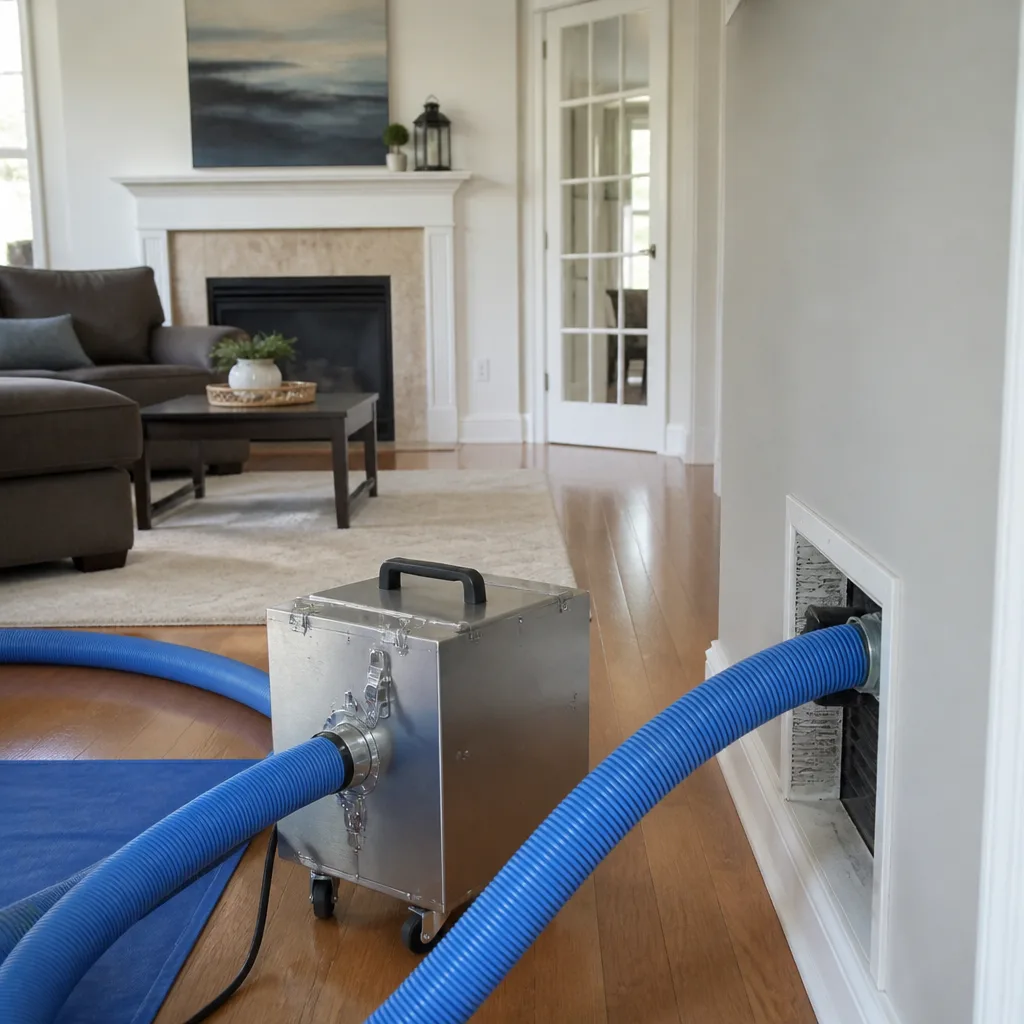 Whole-home duct cleaning
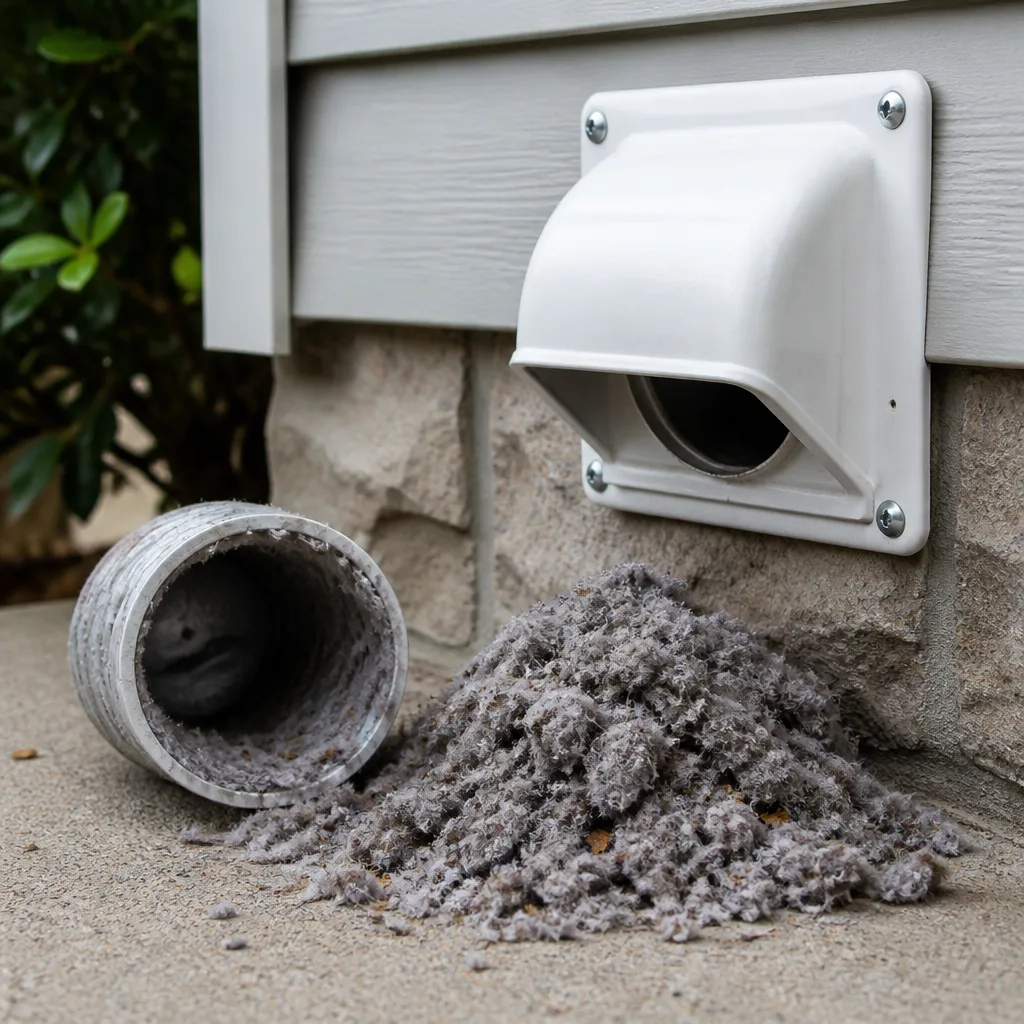 Dryer vent cleaning
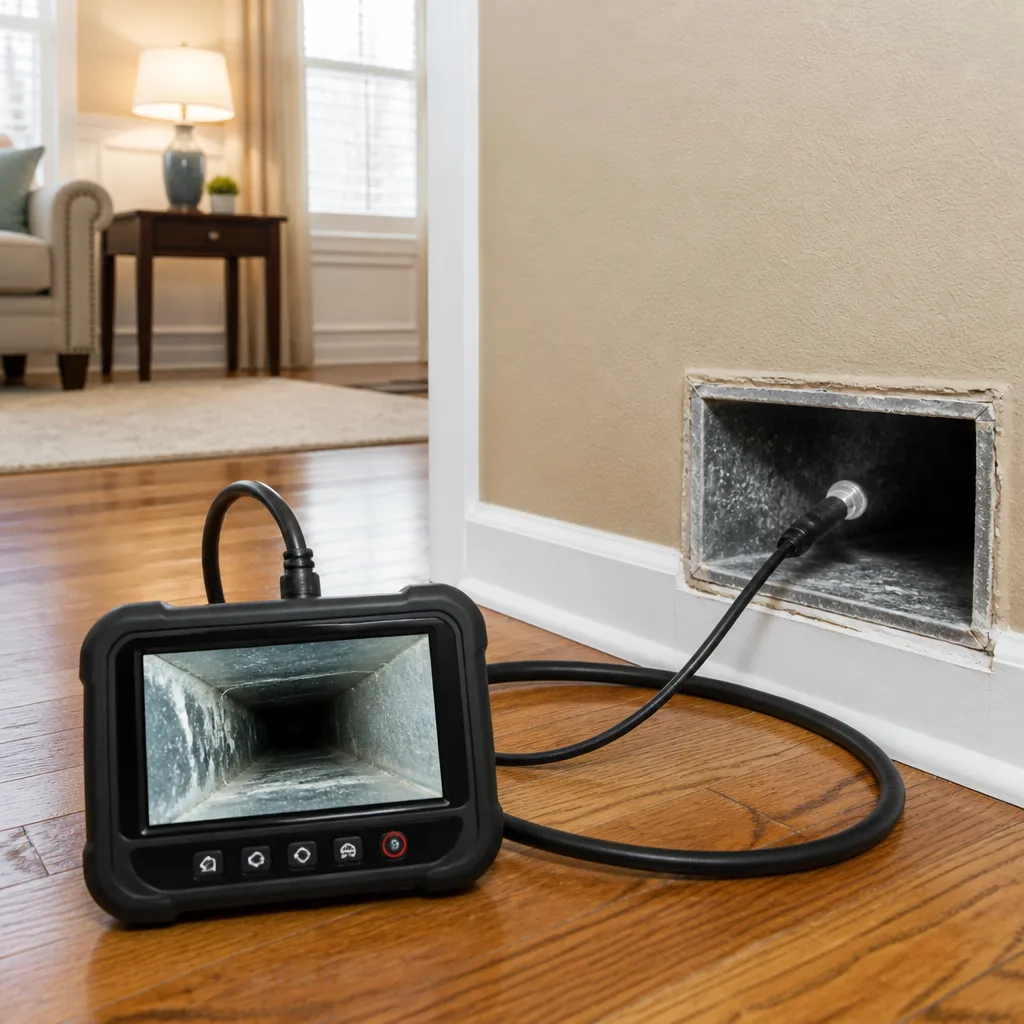 Camera inspection
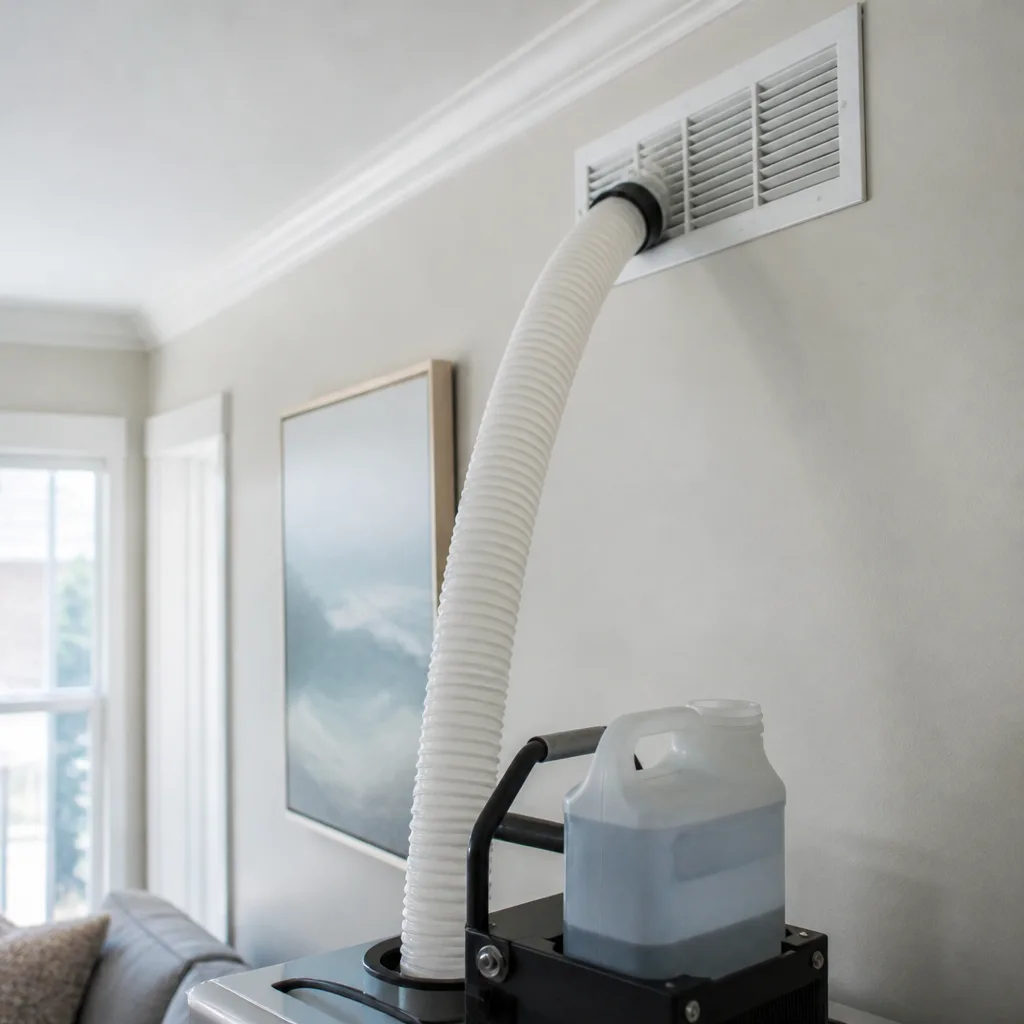 Sanitizing & deodorizing
Whole-system duct and dryer vent check with before-and-after photos - you see exactly what came out of your vents
That "$99 whole-house special" is a bait ad - the real number appears once they are in your hallway, or the "clean" is a shop-vac at the register. We photograph the inside of your ducts before and after instead.
Air Duct Cleaning Maintenance Schedule: What to Do and When
The most repeated number in this trade is “every three to five years,” and it’s the one you should trust least. That interval traces back to guidance written before high-MERV filtration was common in residential systems, and it assumes a home with no pets, no allergy sufferers, no remodeling dust, and no seasonal particulate load. Most West Valley City homes don’t fit that profile, and yours probably doesn’t either. This guide replaces the generic rule with a schedule you build from your own home’s conditions. You’ll learn how to score your load factors, what to do between professional visits, why October is the smart month to inspect in West Valley City, and how a simple maintenance log cuts future service costs.
Quick Answer
Most homes need professional air duct cleaning every two to four years, not a fixed three-to-five, and the right interval depends on your load factors: pets, smoking, recent renovation, occupant allergies, and filter grade. Homes with none of those can stretch longer; homes with several should schedule sooner. Between professional cleanings, check your filter monthly, wipe registers quarterly, and watch for airflow drop as an early warning sign.
Styles & brands we work with
- Whole-home duct cleaning
- Dryer vent cleaning
- Camera inspection
- Sanitizing & deodorizing
Table of Contents
- Why a Fixed Cleaning Interval Fails
- How to Score Your Home’s Load Factors
- What Maintenance Belongs Between Professional Cleanings
- West Valley City’s Inversion Seasons and Why October Matters
- Maintenance Visit vs. Full Cleaning: When You Need Each
- How to Keep a Duct Maintenance Log That Saves You Money
- Where Duct Repair Fits Into the Schedule
- Common Mistakes to Avoid
Why a Fixed Cleaning Interval Fails
A “clean every X years” rule treats every house the same. That assumption only works if the amount of dust getting into ductwork is roughly constant across homes. It isn’t. Two houses on the same street in West Valley City can accumulate very different loads depending on what’s living in them, what’s been done to them, and how well they filter air.
The industry average also predates a major shift in residential filtration. High-MERV filters that catch fine particulate are now standard in many systems, and they change how quickly ducts collect debris. A home running a good filter and changing it on schedule dirties its ducts more slowly than guidance from an earlier era anticipated. A home running a cheap fiberglass panel and forgetting it for a year does the opposite.
What we’ve seen in our work is that the homes calling most often for cleaning aren’t necessarily the dirtiest ones by age. They’re the ones with dogs, a recent renovation, or an occupant with respiratory sensitivity. Those are load factors, and they matter more than a calendar.
The practical fix is to stop asking “when was the last cleaning?” and start asking “what’s loading this system?” The rest of this guide walks through that question in a way you can actually apply in your own house.
How to Score Your Home’s Load Factors
You can put a rough number on how fast your ducts get dirty by scoring each factor that applies to your household. This isn’t a lab measurement, but it gives you a defensible starting interval instead of a guess. Add the points, then read the interval off the table.
| Load factor | Points |
|---|---|
| One or more pets that shed | +2 |
| In-home smoking | +3 |
| Drywall, sanding, or major renovation in the last 12 months | +3 |
| At least one occupant with allergies or asthma | +2 |
| Filter grade below MERV 8 (or filters changed inconsistently) | +2 |
| Wood-burning stove or fireplace in use | +1 |
| System has never been professionally cleaned | +2 |
| Consistent filter changes and no pets, smoking, or renovation | -1 |
Read the total like this:
- 0 to 2 points: low load. Clean every four to five years, inspect at the midpoint.
- 3 to 5 points: moderate load. Clean every three years.
- 6 to 8 points: high load. Clean every two years.
- 9 points or more: very high load. Plan on cleaning annually to every two years and inspect airflow seasonally.
The scoring is a starting tool, not a rule. If your ducts audibly whistle or a room never warms the way it should, that’s a live symptom that overrides the math. It may not be dirt at all; it could be a disconnected or crushed run, which is a repair, not a cleaning. Knowing the difference before you call saves time and money.
What Maintenance Belongs Between Professional Cleanings
The interval between professional visits isn’t idle time. A few small habits there extend the life of a clean and catch problems early. Here’s the routine we suggest, in order of how much it matters.
- Check the filter every month. Hold it up to a light. If you can’t see through it, replace it. In a high-load West Valley City home, filters often go sooner than the manufacturer suggests. Change dates belong in your log.
- Wipe register grilles quarterly. Dust settled on the outside of a grille is dust that will get pulled back into airflow. A damp cloth takes a minute per register and keeps visible buildup from becoming duct buildup.
- Do a visual check at the start of each heating and cooling season. Pop a register and look inside with a flashlight for debris, pest evidence, or loose connections. Don’t reach in; just look.
- Listen for changes. A room that suddenly heats slower, a whistle at a grille, or a system that runs longer than it used to is worth investigating. Airflow change is often the first signal of a real problem, whether it’s dirt, a failed damper, or a tear in the duct run.
- Clear the area around the air handler. Keeping the unit and its immediate surroundings free of stored boxes and household clutter helps airflow and makes any service visit faster.
None of this replaces professional cleaning. What it does is slow the accumulation and, more importantly, keep you informed. A homeowner who knows their system’s normal sounds and airflow catches problems while they’re small.
West Valley City’s Inversion Seasons and Why October Matters
West Valley City sits in a valley, and valley geography matters for indoor air. Through fall and winter, calmer weather and temperature inversions often trap particulate near the ground rather than letting it disperse. When outdoor air is carrying more suspended particulate, your HVAC system is pulling more of it in.
That changes the smarter time to inspect. Most households think of spring cleaning, but for a valley home, October is the better month to do an inspection. You catch the system before the season of heavier infiltration begins, and if the inspection turns up a repair need or a heavily loaded return, you handle it before the months when the system runs hardest.
Practically, this means:
- Schedule an inspection in October so any cleaning or repair finishes before the heating season’s heaviest weeks.
- Expect filters to load faster from late fall through winter. Check them more often in those months than you would in summer.
- Treat the end of winter as a second checkpoint. Inspect again in early spring to confirm nothing accumulated or failed over the cold months.
The build pattern matters too. Room additions, finished basements, and kitchen remodels are common in West Valley City homes, and drywall dust from that work travels through the entire system. If a West Valley City household has had renovation work done recently, that alone justifies moving the next cleaning forward regardless of the calendar. For a full breakdown of the service itself, see air duct cleaning.
Maintenance Visit vs. Full Cleaning: When You Need Each
These two are not the same service, and confusing them is one of the most common ways homeowners overspend. A maintenance visit is an assessment. A full cleaning is the actual removal of accumulated debris from the entire system: supply and return runs, registers, grilles, the plenum, and the air handler’s accessible interior. A maintenance visit costs less because it does less.
What each includes:
- Maintenance visit: visual inspection of accessible ductwork, airflow check, filter condition review, spot clearing of a specific register or short run if needed, and a written summary of findings.
- Full cleaning: mechanical agitation and negative-pressure extraction of the entire duct system, register and grille cleaning, air handler cleaning where accessible, and before-and-after photographs of your own ductwork.
When you need which:
- Go with a maintenance visit if: you’re between cleanings, you’re buying a home and want a condition report, you’ve recently had a repair and want to confirm airflow, or your score points sit at the low end.
- Go with a full cleaning if: your load score lands at 6 or higher, you’ve had renovation work, you notice visible debris or a musty smell at registers, or it’s been long enough that you can’t remember the last professional cleaning.
- Go with a full cleaning plus inspection if: the system is new to you, or a prior cleaning was done by a company that left no documentation. You want to know what condition you’re starting from.
A maintenance visit that turns up heavy debris should tell you so and recommend the full cleaning, not just clean a small portion and leave the rest. Ask for before-and-after photos of your own ducts either way; that’s how you verify work actually happened.
How to Keep a Duct Maintenance Log That Saves You Money
A maintenance log sounds like homework, but it does real work for you. It tells the next technician exactly what’s been done, which shortens diagnosis and keeps them from repeating a task. It also protects you at resale or during a warranty discussion. Keep it simple.
What to record:
- Filter changes: date and filter grade. This one entry alone reveals your real household load over a year.
- Professional service dates: cleaning, inspection, repair, and who performed it.
- Observations: airflow changes, odd smells, unusual noises, pest evidence, and what room they came from.
- Renovation events: any drywall, sanding, or major work that generated dust, plus whether the system was sealed and filtered during the work.
- Photos: a photo of the register and duct interior at each service gives you a baseline to compare against later.
A notebook by the air handler or a note on your phone works. What matters is consistency, not format. When you call for service, mention your last entry. If you’ve logged consistent filter changes with a mid-grade filter and no pets, a technician can quickly rule out heavy load and steer you toward an inspection rather than a full cleaning. That’s the cost benefit.
Where Duct Repair Fits Into the Schedule
Schedule only covers cleaning and inspection, but ductwork can fail independently of dirt. A crushed flexible run under a floor, a disconnected joint behind drywall, or a torn liner in the air handler can bleed conditioned air into a crawlspace or attic for years. Cleaning won’t fix that, and it can actually make a damaged run worse. This is why cleaning and repair should always be considered together.
Watch for these repair signals regardless of your cleaning interval:
- A room that never reaches temperature while the rest of the house does.
- Whistling at grilles or a system that runs noticeably longer than usual.
- Visible sagging or crushed duct in an accessible attic or crawlspace.
- Dust accumulating at the joint between a register and the wall, which suggests a leak nearby.
Because our service menu covers cleaning, dryer vent work, and duct repair together, an inspection that finds a damaged run can be repaired in the same service relationship rather than referred out. For the dryer vent side of the house, which is a separate fire-safety concern, see dryer vent cleaning.
Common Mistakes to Avoid
- Treating the interval as fixed. Cleaning every five years because a website said so, in a home with two dogs and allergy sufferers, leaves the system loaded for years. Score your factors first, then set the interval.
- Running cheap filters because they’re convenient. A fiberglass panel catches large debris and lets fine particulate pass straight into the ducts. A mid-grade filter costs a little more and meaningfully slows accumulation.
- Cleaning without repairing. A cleaning on a system with a disconnected run downstream sends air (and cleaning effort) into a crawlspace. Have the system assessed for damage before cleaning, especially in older West Valley City homes.
- Skipping documentation. A company that won’t show before-and-after photos of your own ductwork or give you a written summary leaves you guessing later. Ask for verification every time, and keep it in your log.
- Ignoring the filter in winter. The heating season is when filters load fastest in a valley home. A filter checked in October and then forgotten by January is running clogged.
- Forgetting the dryer vent. Dryer vents aren’t part of the HVAC system, so they fall off the cleaning schedule entirely. They carry real fire risk and should be inspected on their own cycle.
- Diagnosing airflow problems as dirt. A whistling register or slow room is as likely to be a crushed run or failed damper as a dirty duct. The two fix differently.
See the difference
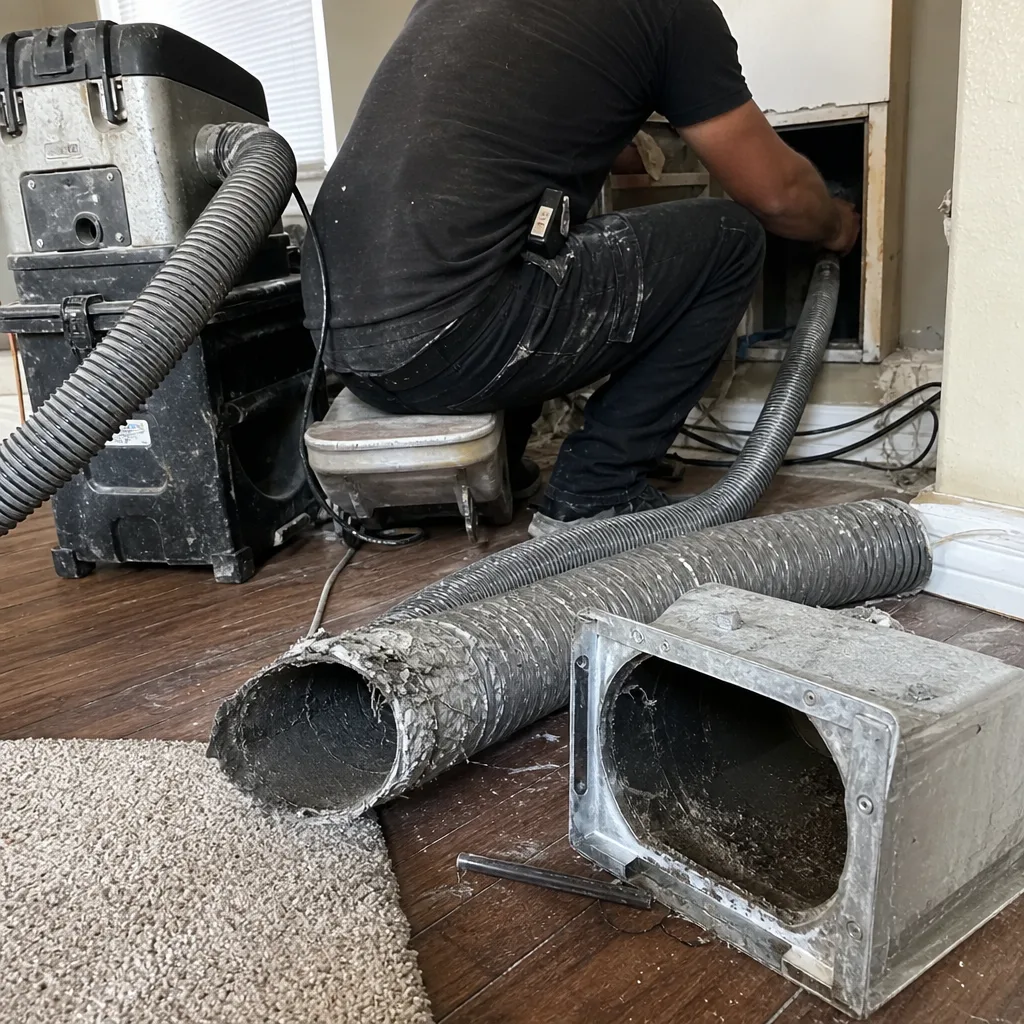 Before
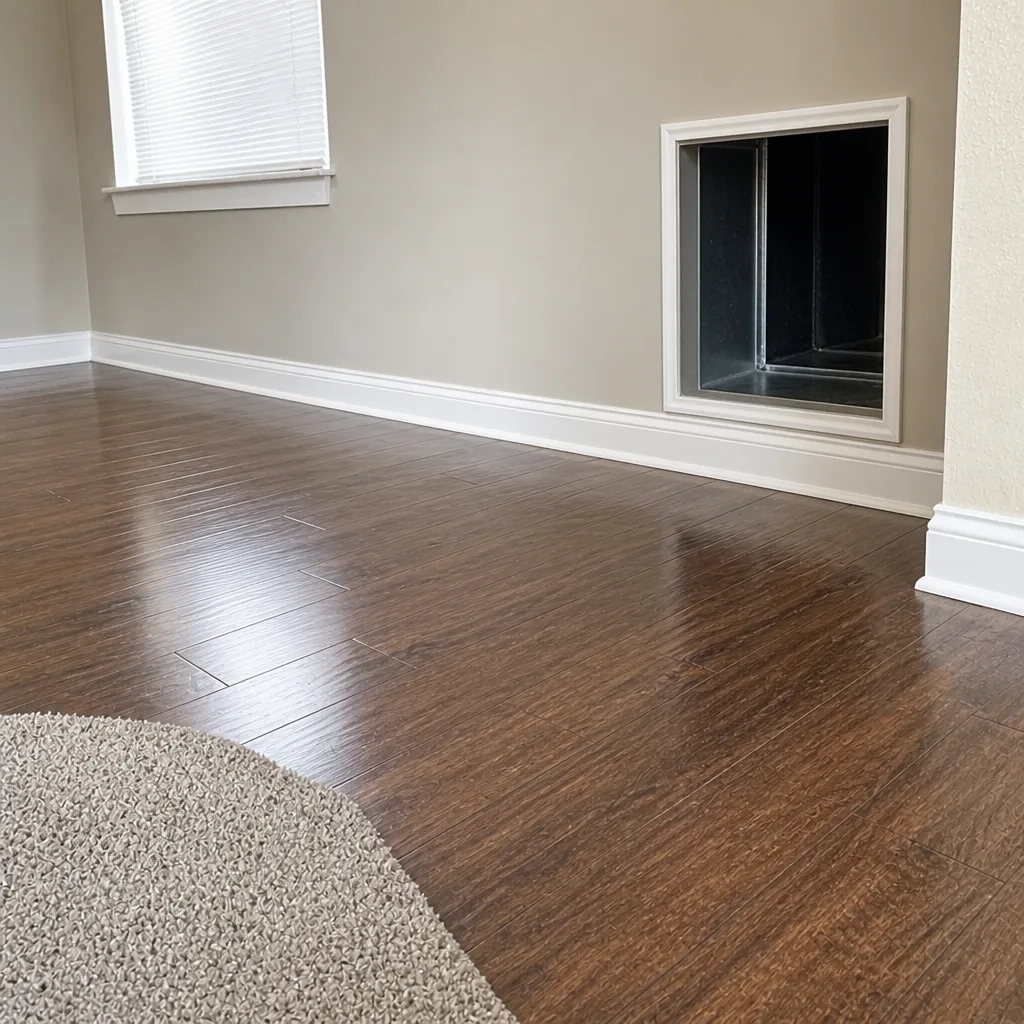 After
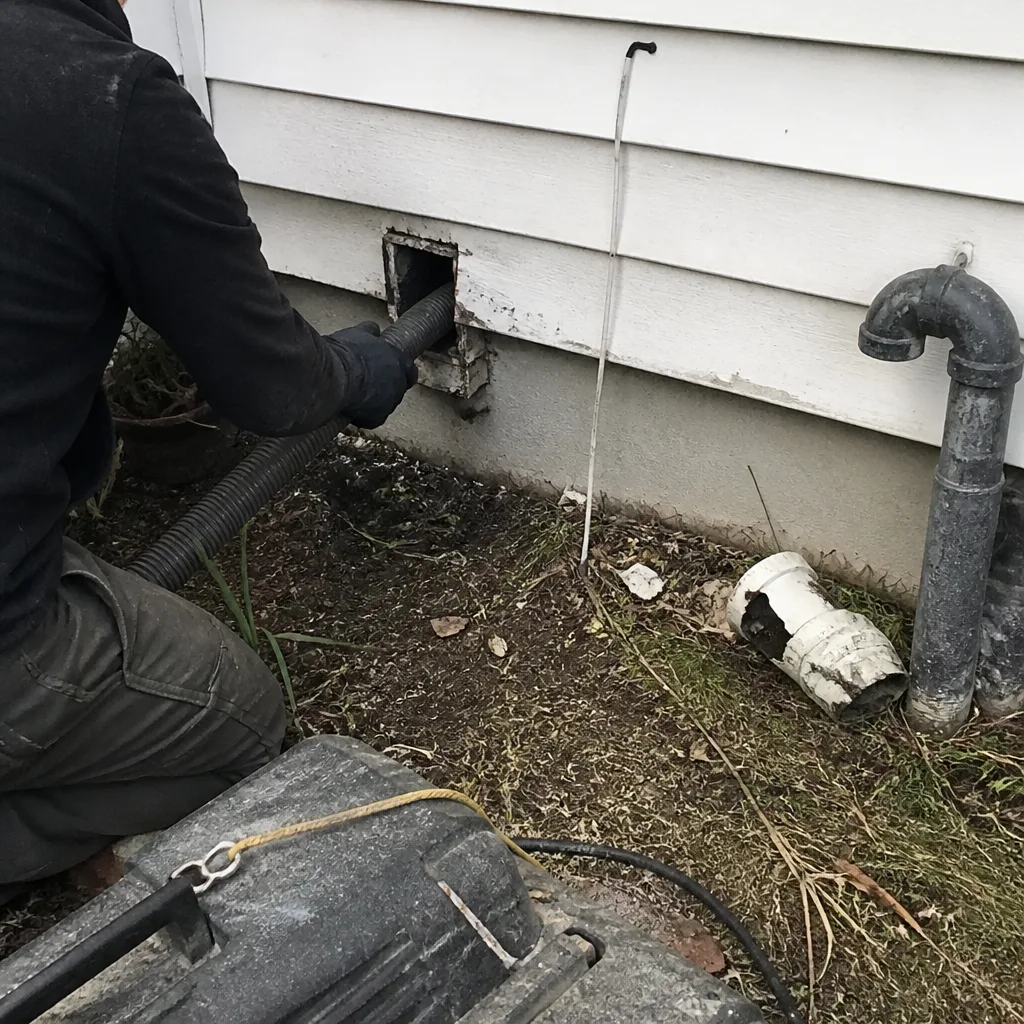 Before
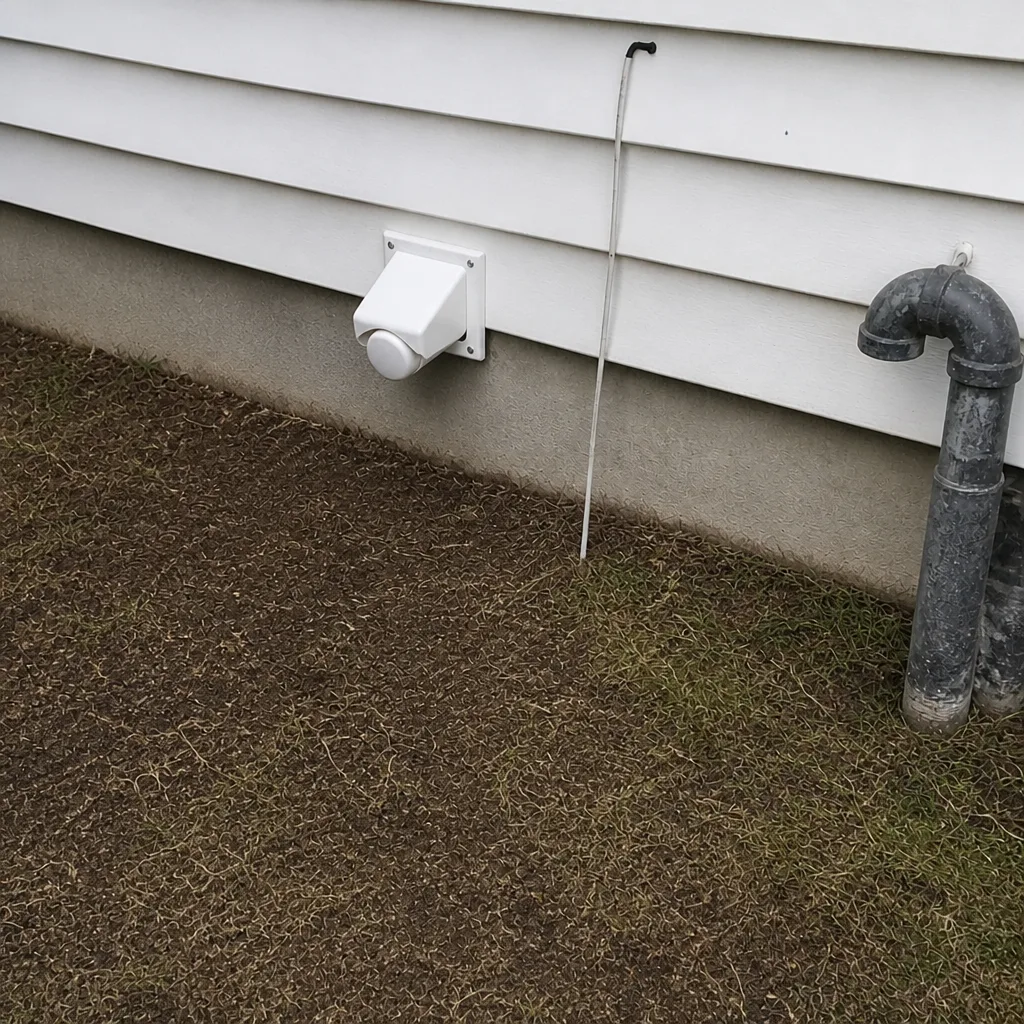 After
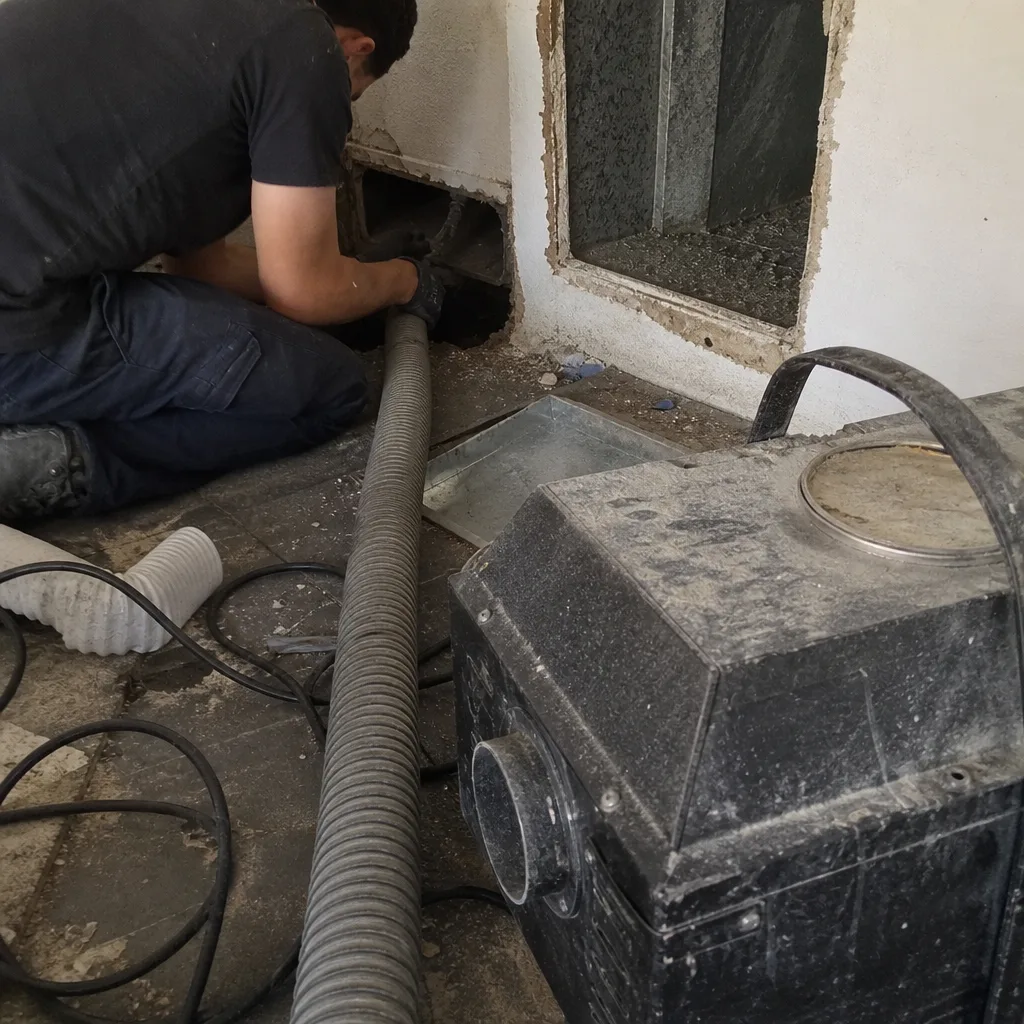 Before
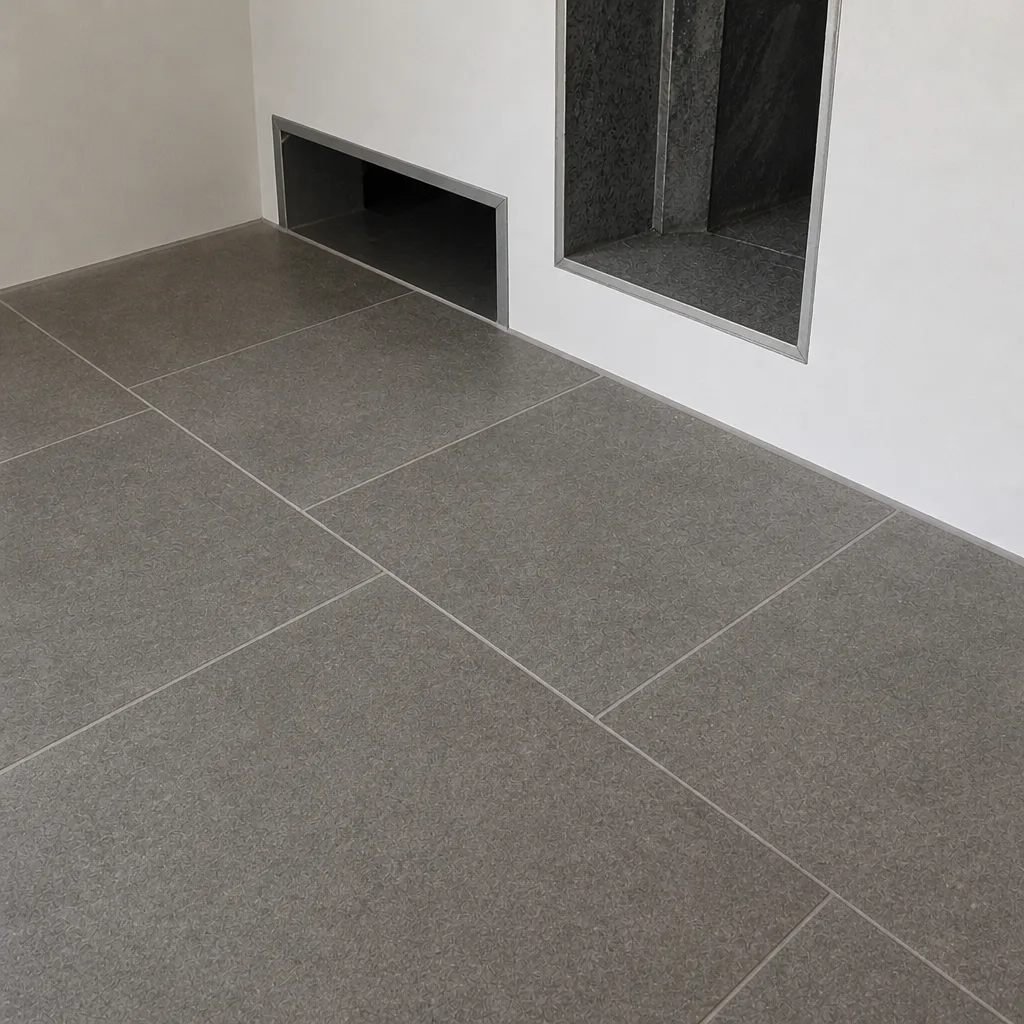 After
When to Call a Professional
Some problems belong to a pro the day you spot them. If your ducts are whistling, if a room never heats properly, if you see visible mold or pest evidence at a register, or if there’s a musty smell when the system runs, call for an inspection rather than waiting for your next scheduled cleaning. If you’re buying a West Valley City home and don’t know its service history, an inspection before you close is worth it. Same goes for a home that’s had renovation work done in the last year and never cleaned after. Oakridge Air Duct Cleaning offers free estimates in West Valley City. Call (833) 749-0886. We answer 24/7. Fast dispatch from 7am to 7pm, Sunday through Friday. Our technicians use professional-grade Rotobrush and Nikro equipment and have up to 8 years of experience in ductwork specifically.
Frequently Asked Questions
Most homes should be cleaned every two to four years, based on their own load factors rather than a fixed interval. Homes with pets, in-home smoking, recent renovation, or allergy sufferers should clean closer to every two years. Homes with consistent filter changes and none of those factors can stretch to four or five. Call (833) 749-0886 for an exact quote based on your home; estimates are free.
Not necessarily. West Valley City’s valley geography means fall and winter inversions can trap particulate near the ground and increase what your system pulls in. That argues for inspecting in October and scoring your household’s load factors before assuming the industry average applies. Call (833) 749-0886 if you want a technician to assess your home and recommend an interval; estimates are free.
Check your filter monthly and change it when you can’t see light through it, wipe register grilles quarterly, and do a visual inspection at the start of each heating and cooling season. Log each filter change so you can see your real load pattern over a year. Call (833) 749-0886 if you notice an airflow change; a maintenance visit can confirm whether it’s dirt or a repair.
We give one flat price per system, agreed from a written estimate before any work starts, and we don’t quote per vent. The exact figure depends on your system size, number of runs, and condition. Companies offering very low advertised prices are often counting on add-ons once the technician is on site; we price the whole job up front. Call (833) 749-0886 for a free estimate.
Usually because the low price covers only a partial job, or comes with add-on charges that weren’t in the quoted figure. Ask what the price includes: the full system, registers and grilles, the air handler, and before-and-after photos of your own ducts. If any of those is missing or extra, the price isn’t comparable. Call (833) 749-0886 for a flat price on the whole system; estimates are free.
Ask for before-and-after photos of your own ductwork and a written summary of what was cleaned. Any reputable company should provide both without being asked. Keep those records in your maintenance log so the next technician sees what was done and when. Call (833) 749-0886 to schedule; estimates are free.
The Bottom Line
Replace the fixed interval with a scored one. Total your load factors (pets, smoking, renovation, allergies, filter grade), set your interval from that number, and re-score if your household changes. Run the between-visit routine: monthly filter checks, quarterly grille wipes, seasonal visual inspections. Inspect in October, not spring, given West Valley City’s inversion seasons. Keep a simple log, with filter dates, service dates, and photos, so your next service is faster and better informed. And treat repair as part of the cycle, not a separate problem. For a proper assessment, see Oakridge Air Duct Cleaning.
Written by the team at Oakridge Air Duct Cleaning.
For neighborhood concerns like the ones covered in this guide, our West Valley City page explains how we handle local assessments and scheduling.