
Last updated November 14, 2026
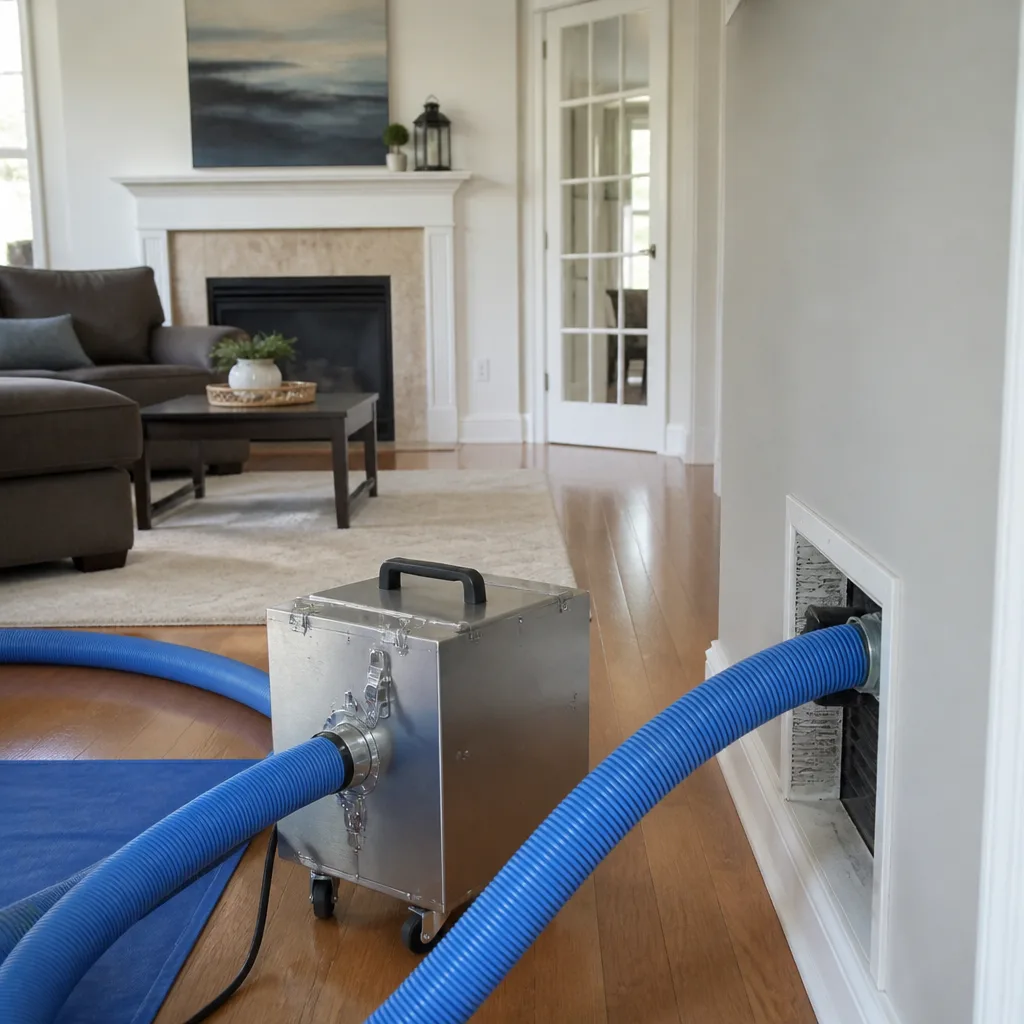 Whole-home duct cleaning
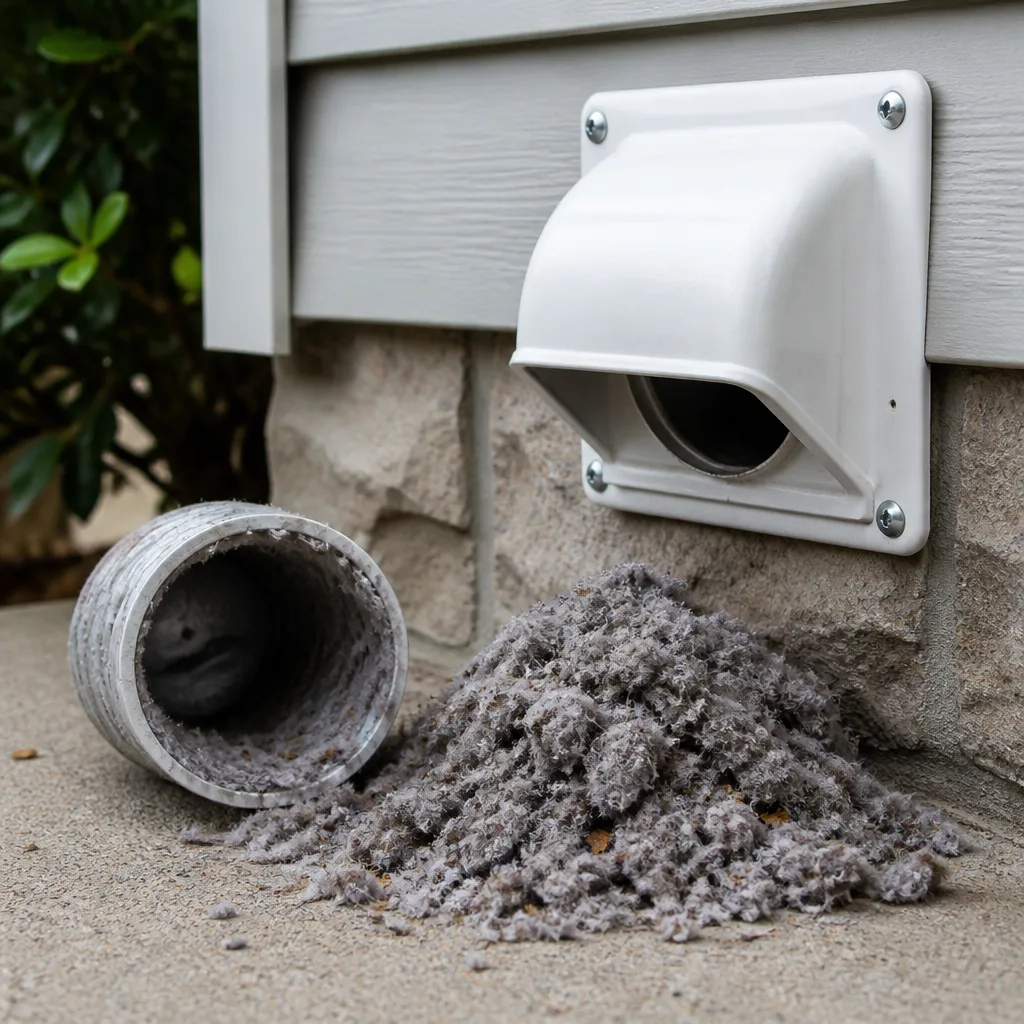 Dryer vent cleaning
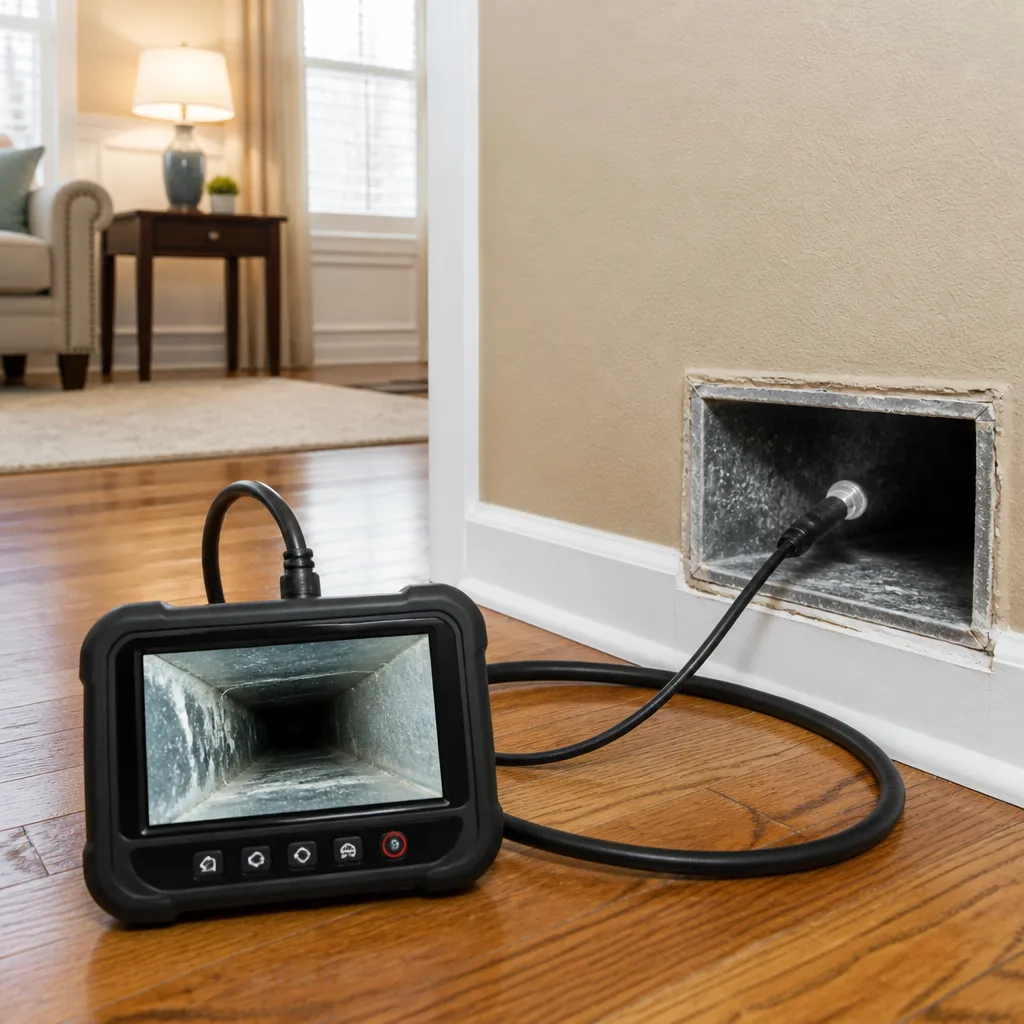 Camera inspection
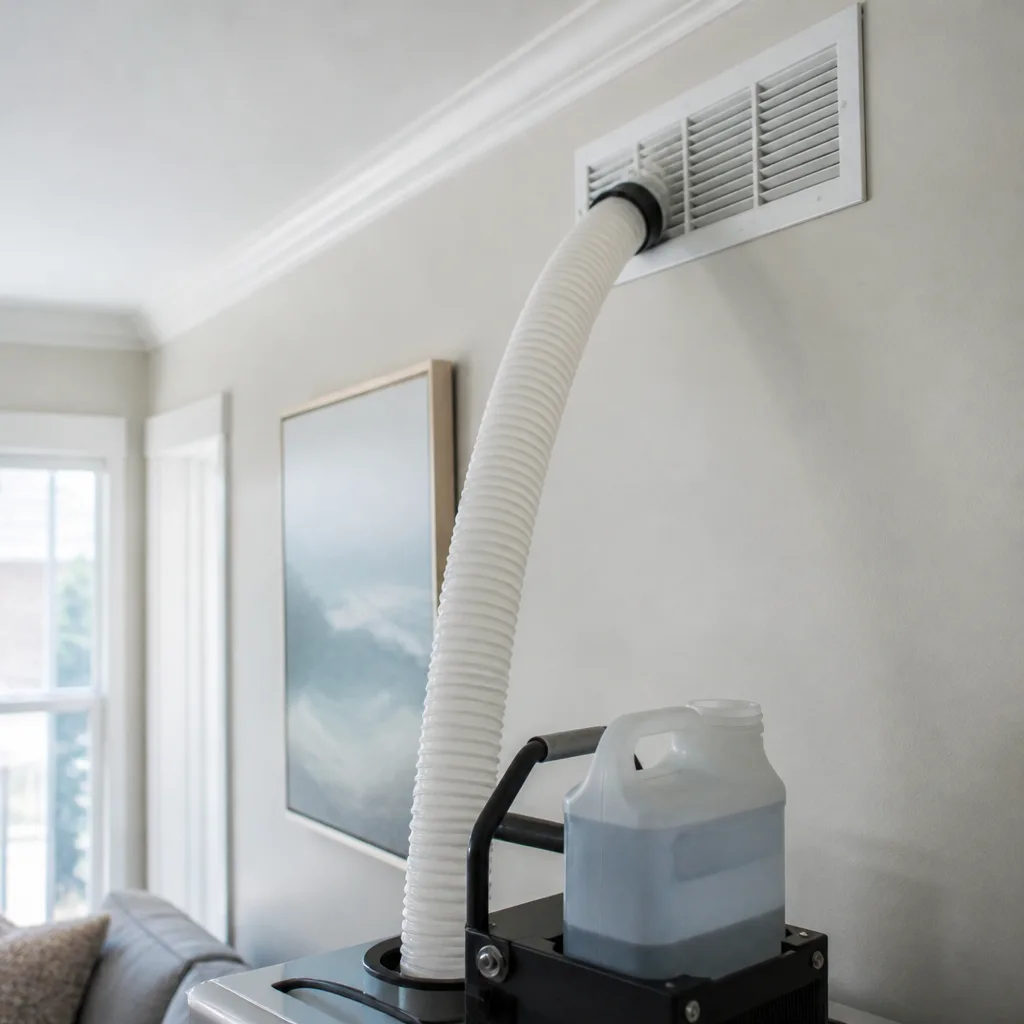 Sanitizing & deodorizing
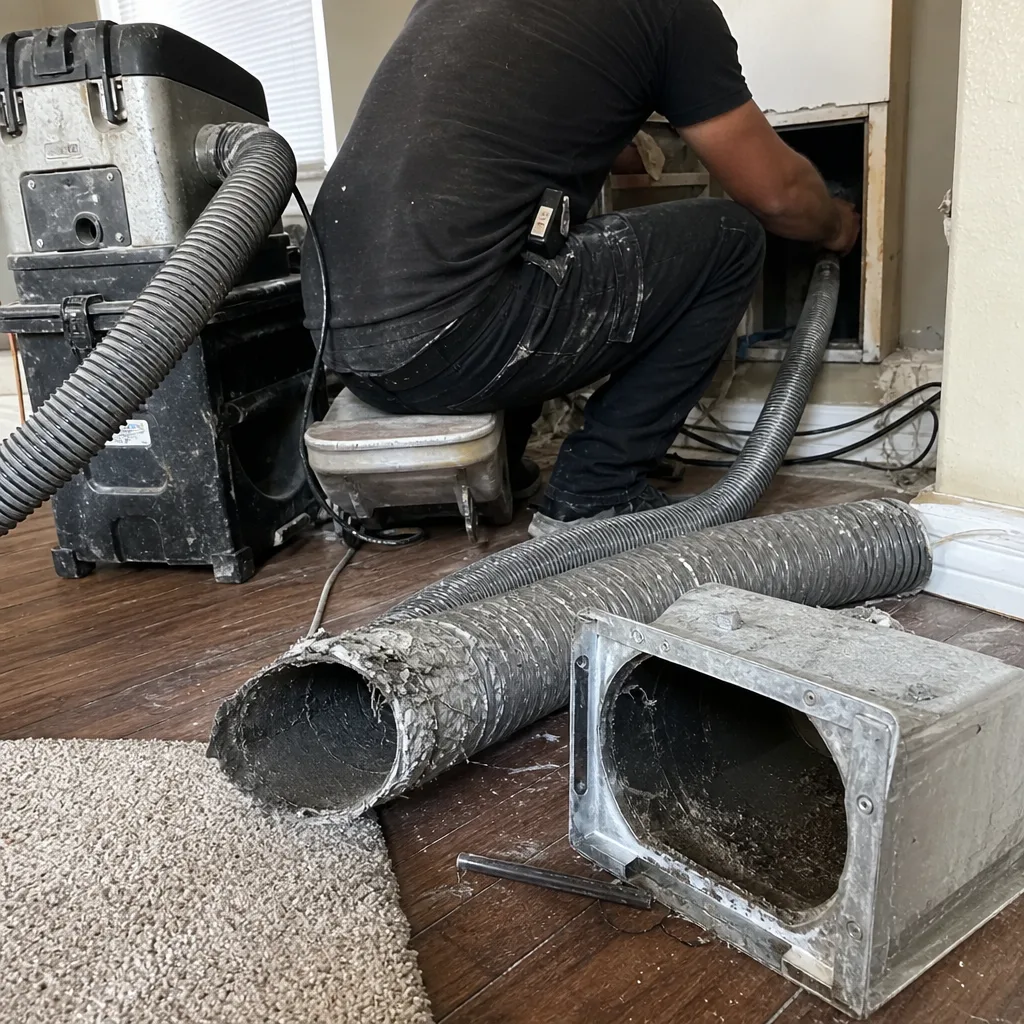
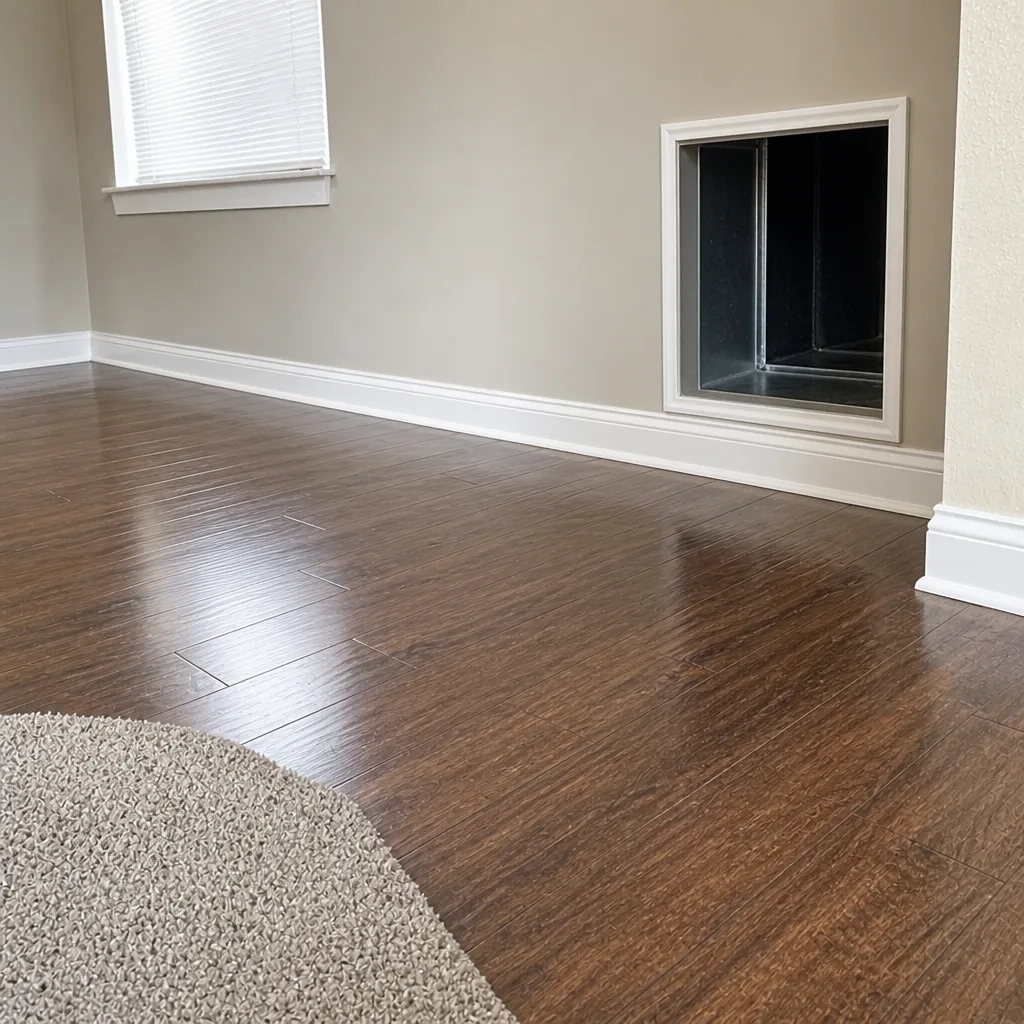
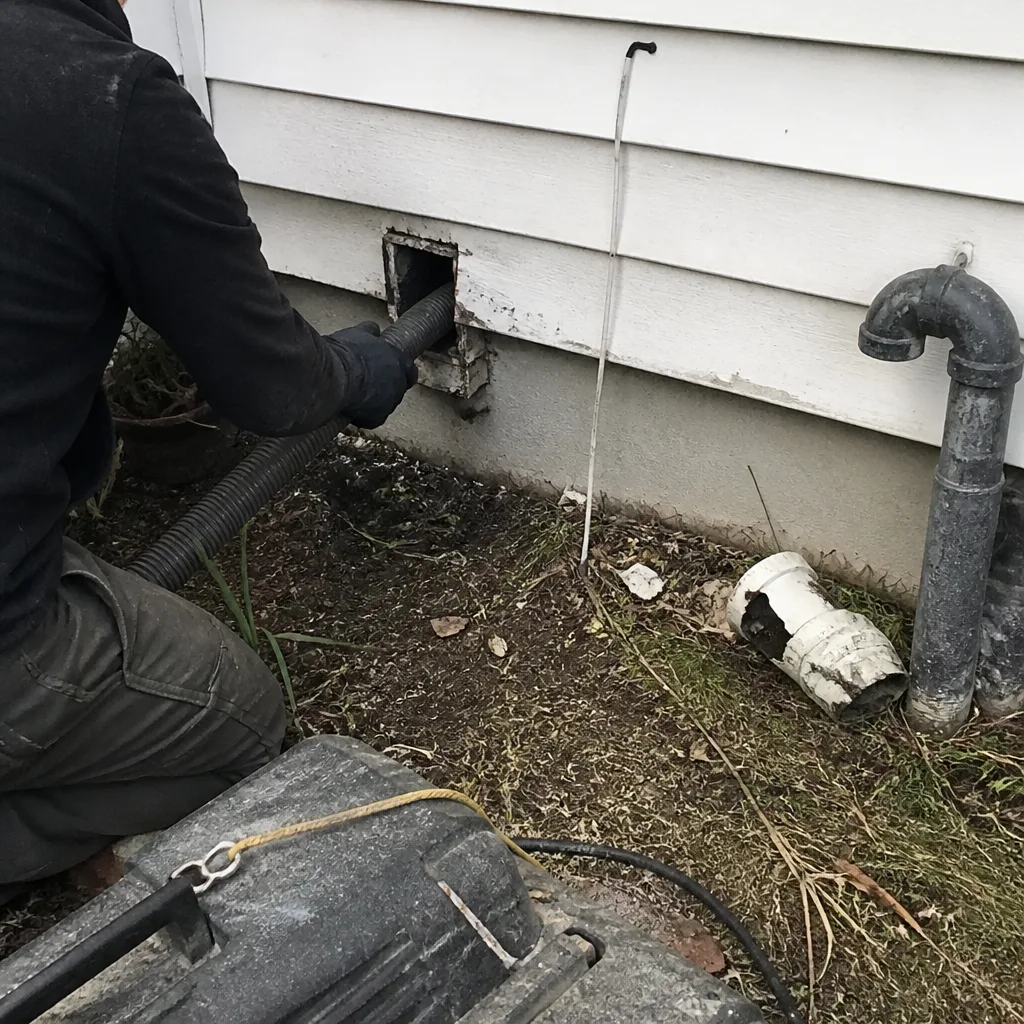
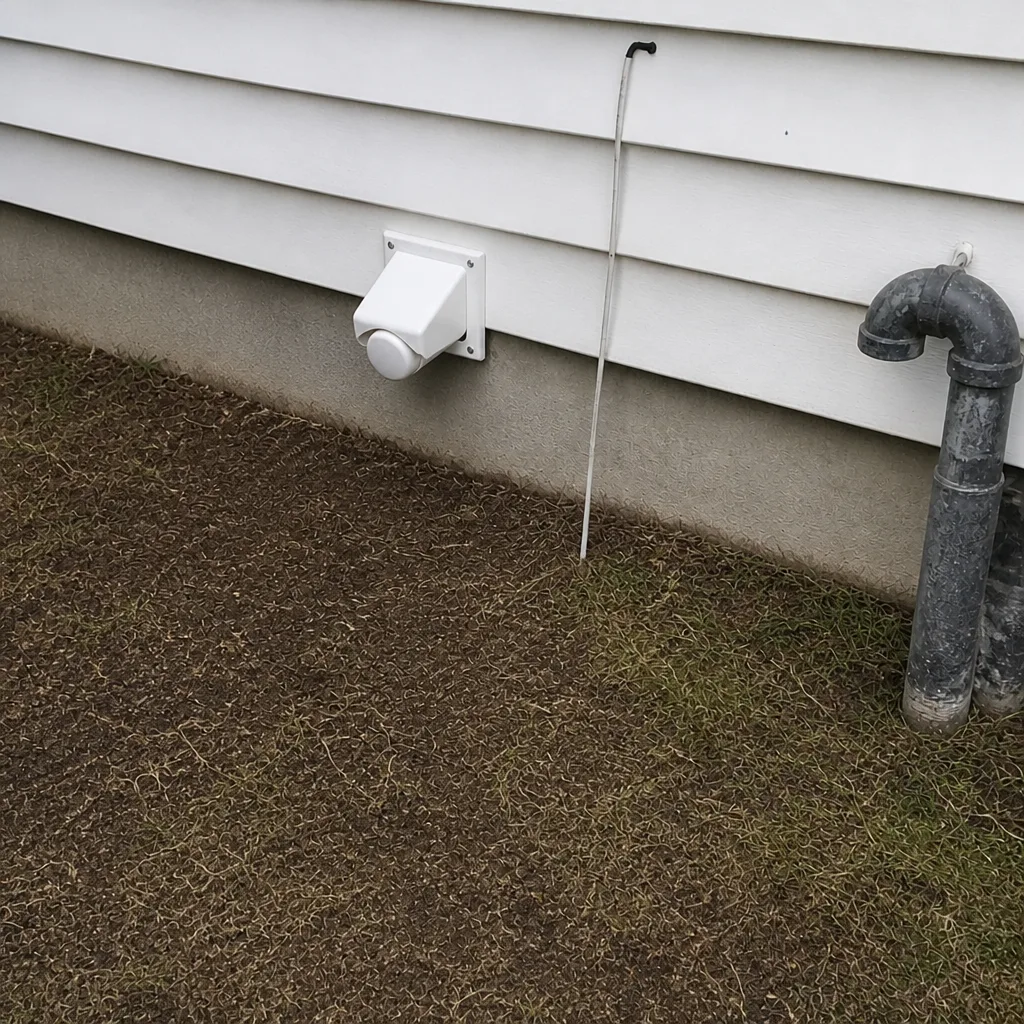
Whole-system duct and dryer vent check with before-and-after photos - you see exactly what came out of your vents
That "$99 whole-house special" is a bait ad - the real number appears once they are in your hallway, or the "clean" is a shop-vac at the register. We photograph the inside of your ducts before and after instead.
Seasonal Air Duct Cleaning Care for West Valley City: Year-Round Homeowner’s Guide
Most homeowners here schedule their duct cleaning in spring because that’s when the cleaning mood strikes. In West Valley City, that timing is a year late and a season early. Winter inversion season ends in late winter and leaves a measurable particulate load sitting in your ductwork right as you’re about to seal the house for summer cooling. The smartest single touchpoint for most households lands in March, not May. This guide walks through what each season actually deposits into West Valley City duct systems, when to inspect, when to clean, and how to adjust filter strategy month by month instead of on a fixed calendar reminder.
Quick Answer
The highest-value annual duct inspection in West Valley City happens in March, right after inversion season breaks, because that’s when winter soot and trapped particulates are still measurable and before summer cooling locks the house down. Households should clean when the inspection finds meaningful buildup, not on a fixed annual date. Households with allergy sufferers typically need a second touchpoint in late summer to clear wildfire smoke residue and pollen before heating season begins.
Styles & brands we work with
- Whole-home duct cleaning
- Dryer vent cleaning
- Camera inspection
- Sanitizing & deodorizing
Table of Contents
- Why Seasonal Timing Matters More Than Annual Reminders in West Valley City
- What Each Season Deposits Into West Valley City Duct Systems
- The Case for a Post-Inversion Inspection in March
- How to Adjust Your HVAC Filter Strategy by Season
- Checks to Run Before First Heating Use in Fall
- Checks to Run Before First Cooling Use in Spring
- Why Allergy Households Need a Different Cadence
- Common Mistakes to Avoid
- When to Call a Professional
- Frequently Asked Questions
Why Seasonal Timing Matters More Than Annual Reminders in West Valley City
Air ducts are passive until they’re not. They don’t gather dust at the same rate year-round, and they definitely don’t gather the same kind of dust. A fixed annual cleaning, whether it’s spring or fall, catches whatever happened to be in the air at that moment and ignores the rest. In a valley like ours where inversion layers trap particulate matter for weeks at a time and wildfire smoke drifts in during peak summer, that’s a real gap.
West Valley City sits in a bowl. Cold air settles, warm air traps it, and everything in between – exhaust, dust, pollen, smoke – stays put until the weather pattern breaks. That’s what makes seasonal alignment matter here more than in a windy flatland city where the air cleans itself out every few days. When inversion breaks in late winter, the outdoor air finally flushes. But the indoor air, and specifically what’s sitting in your return ducts and supply trunks, doesn’t flush with it. That layer stays until either the system pulls it through a filter or you have it removed.
The other reason timing matters: our housing stock runs from older ranch homes in the mid-valley neighborhoods to newer construction closer to the west benches, and the duct configurations vary widely. Some homes have decades of accumulated dust in flexible duct runs that were never cleaned properly. Others have tight, well-sealed systems that only need a periodic check. A seasonal inspection cadence lets a professional look at what’s actually there and recommend timing based on the home rather than the calendar.
This is why we talk about seasonal care rather than annual reminders. A reminder is a marketing tactic. Seasonal care is a mechanical strategy, and they’re not the same thing.
What Each Season Deposits Into West Valley City Duct Systems
Every season leaves its own signature in your ductwork. Understanding what’s coming in helps you know what to look for when the season turns.
Winter: Inversion Soot and Combustion Byproducts
Inversion season in the Salt Lake Valley concentrates everything the city puts into the air. Wood smoke, vehicle exhaust, and fine particulate matter settle into a stagnant layer that can hold for days or weeks at a time. As your HVAC system cycles through winter, that outside air comes in and the particulate load lands in your filter and your duct surfaces. The heaviest accumulation of the year typically shows up in the return plenum and the first few feet of the main trunks.
Spring: Pollen and Construction Dust
March and April bring pollen from the valley’s trees and grasses. May brings the start of construction and landscaping dust as the ground dries. If you’re opening windows on mild spring days, you’re inviting that pollen straight into the returns. Building or remodeling activity nearby sends drywall dust and sawdust into the air, and much of it ends up in your system before it ever reaches a filter.
Summer: Wildfire Smoke Infiltration
Summer smoke events don’t need to happen in West Valley City to affect it. Regional wildfire smoke drifts into the valley and lingers. Air conditioning pulls outdoor air into the return and pushes it through the system continuously. Filtration matters enormously here, and so does duct cleanliness, because smoke residue that lands in the ductwork can recirculate for weeks after the smoke event has passed.
Fall: Pre-Heating-Season Debris
Fall brings leaves, windblown dust, and the annual restart of heating season. The first time you fire up the furnace after months of disuse, whatever accumulated in the ductwork over summer gets blown into the living space. Fall is the season to look before that happens, not react afterward.
The Case for a Post-Inversion Inspection in March
If we had to pick one date to schedule an inspection for most West Valley City households, it’s late February or early March. Here’s why.
- Inversion season has just broken, so the accumulated winter load is at its highest measurable level.
- You’re about to close the house for summer cooling, which means whatever is in the ducts will be recirculating for months.
- Cooling season is a chance to start clean rather than to start with winter’s residue still airborne.
- An inspection in March gives you the option to clean before summer’s wildfire smoke season, not after it.
- It’s easier to align a cleaning with the seasonal transition than to carve out time in mid-summer.
The inspection itself isn’t the same as a cleaning. A professional inspection in West Valley City looks at the return plenum, the supply trunks, the branch runs, and the register boots to see what’s actually present. Some homes pass. Some need a full cleaning. Some need something else – a filter upgrade, a seal repair, or a fix to a disconnected run that’s been leaking conditioned air into a crawlspace for years. An inspection that recommends “no cleaning needed yet” is a useful answer, and any honest pro will tell you so.
If the inspection finds real buildup, that’s the moment to clean. The air quality benefit is immediate: you clear the winter load out, you start the summer season with clean ducts, and you’ve got a baseline from which to judge the fall inspection. For more on what a full cleaning involves, our page on air duct cleaning walks through the process step by step.
How to Adjust Your HVAC Filter Strategy by Season
Filter strategy matters more than most homeowners realize. Most people change on a fixed interval – every three months, or when the reminder light comes on. In West Valley City, that approach misses the two heaviest loading seasons of the year. Here’s a practical annual cadence.
- Late winter (February-March): Change after inversion season breaks. This filter caught the heaviest load of the year. If you’re only going to do one filter change, do this one.
- Late spring (May-June): Change before you start cooling. Spring pollen and construction dust have loaded the filter, and you don’t want to push that through a running system all summer.
- Mid-summer (July-August): Check during wildfire season. If there’s a significant smoke event in the region, change the filter within a few days of the smoke clearing. High-MERV filters load quickly in smoke conditions.
- Fall (October): Change before the furnace comes back on. This one matters most for the first-heating-use air quality.
On filter type: a filter at MERV 8 or 11 handles most households well. Higher-MERV filters (MERV 13 and above) capture more particulates but put more static pressure on the system, and not every blower is rated for them. If you want to run high-MERV filtration during smoke season, have a technician check your system’s static pressure rating first – pushing a blower beyond its spec can shorten blower life. Brand-matched filter housings from Aprilaire are worth considering if you’re upgrading, and a whole-home media cabinet often performs better than a stack of 1-inch filters changed on a short cycle.
One rule that doesn’t change with the season: if you can see daylight through the filter when you hold it up, it’s still got life. If it’s grey and matted, change it regardless of where you are in the calendar.
Checks to Run Before First Heating Use in Fall
The first cold morning in October is not the moment to discover a problem. Before you fire up the furnace for the season, run through these checks. Most are do-it-yourself. If something looks wrong, call a professional.
- Change the air filter. This is the single most important step and takes five minutes.
- Look at the visible duct runs in your basement, garage, or mechanical room. Are any disconnected, kinked, or hanging loose?
- Check the supply registers throughout the house. Are they open and unobstructed? Are returns blocked by furniture?
- Open the blower compartment (with power off) and look for dust buildup or visible debris. If it’s heavy, that’s a sign your ductwork needs attention.
- Turn on the fan only – no heat – for ten minutes. Walk the house and note the airflow at each register. Weak airflow in one room but not others usually means a duct problem, not a furnace problem.
- Watch for the first-week smell. A slight dusty smell on the first heating cycle is normal. A persistent smell that doesn’t clear after a day or two is a sign to book a professional inspection.
If anything on that list surfaces an issue – blocked flow, disconnected runs, or persistent odor – that’s what air duct repair is designed to address. A cleaning won’t fix a broken duct, and a repair without a cleaning leaves the debris in place. The two go together.
Checks to Run Before First Cooling Use in Spring
Spring cooling startup is easier than heating because it doesn’t involve combustion, but the ductwork checks still matter. Cooling pulls a lot of air volume through the system, and any debris in the ductwork gets distributed through the house once the AC kicks on.
- Change the filter before the first cooling run, especially if you didn’t change it in March after inversion.
- Check the condensate drain for standing water or blockages. A clogged drain line in spring leads to a wet ceiling in July.
- Clear the outdoor condenser unit. Trim back vegetation, remove any debris, and make sure it has a couple feet of clearance.
- Turn on the cooling and check each register for airflow, then check it again after ten minutes. Consistent flow is a good sign.
- Look for condensation or moisture around the indoor coil and the plenum. Moisture in the duct system supports biological growth and needs to be addressed quickly.
- If you’re going into a smoke-heavy summer, consider upgrading to a filter better suited to capture fine particulates, subject to the static pressure check mentioned above.
Spring is also the right time to look at your dryer vent if you haven’t recently. A clogged dryer vent is a genuine fire safety risk, and it’s the kind of task that gets forgotten until something fails. dryer vent cleaning clears lint that builds up in the vent run, and it’s worth doing alongside your seasonal duct check.
Why Allergy Households Need a Different Cadence
The baseline recommendation – inspect in March, clean when needed, filter changes four times a year – is calibrated for the average West Valley City household. Households with allergy sufferers need a different approach, and it’s not simply “clean more often.” It’s about timing the cleanings to the front and back of the pollen and smoke seasons.
For allergy households, we typically suggest two scheduled inspection points rather than one. The March post-inversion inspection is the first. The second is in late August or early September, after wildfire smoke season and pollen have both passed their peaks but before heating season begins. That second inspection catches whatever summer deposited and gives you a chance to clean it out before the furnace turns the house into a recirculation loop for the winter.
Filter strategy shifts too. Allergy households often run higher-MERV media filters, and those need more frequent changes during pollen and smoke season – sometimes every six to eight weeks rather than quarterly. Whole-home media cabinets from Aprilaire handle this better than standard filter slots because they hold more media surface area and load less abruptly. For households dealing with smoke infiltration specifically, Abatement Technologies filtration products are a consideration worth asking about during an inspection because they’re designed for contamination-sensitive environments.
One mistake we see: households chasing a “cleaner air” goal through filter upgrades alone, without ever addressing what’s sitting in the ductwork itself. A premium filter catches what’s in the airstream. It doesn’t clean out a return plenum that’s been accumulating dust for years. The two efforts compound – upgraded filtration plus a one-time professional clean is substantially more effective than either alone.
Common Mistakes to Avoid
- Cleaning on a fixed annual date. An anniversary reminder isn’t a strategy. In West Valley City, the timing of cleaning matters far more than the frequency of it. Inspect first, then decide.
- Waiting for visible dust at the registers. By the time you can see dust puffing out of a register, the duct surfaces behind that register have been accumulating for a long time. Inspect based on the season, not on what’s visible.
- Changing filters on a fixed interval. Quarterly works for some homes and misses the load in others. Seasonal changes based on what’s actually loading the filter work better here.
- Running high-MERV filters without checking static pressure. A filter rated to capture smoke is only doing good if the blower can push air through it. Check the system’s spec before upgrading.
- Ignoring disconnected or damaged duct runs. A duct that’s come loose in a crawlspace or attic is losing conditioned air and pulling unconditioned air into the system. This is a repair issue, not a cleaning issue, and it won’t fix itself.
- Skipping the post-inversion inspection. The single highest-value touchpoint of the year often gets skipped because it falls in February or March when nobody’s thinking about air quality. That’s exactly the point.
- Treating a whole-home cleaning as a one-time project. Ductwork is a system that runs continuously. Once you’ve cleaned it, the seasonal inspection cadence is what keeps it working as intended.
When to Call a Professional
Some situations are clear calls. If your home has never had its ductwork professionally cleaned and it was built before the last fifteen or twenty years, an inspection is worth booking. If you’re seeing visible dust at the registers, hearing whistling or rattling from the system, or if a family member’s allergies have gotten noticeably worse in the last year, those are all signs worth investigating. If the seasonal checks above surface a disconnected duct, visible moisture in the ducting, or a persistent smell after filtering, call a professional rather than experimenting. Oakridge Air Duct Cleaning offers free estimates in West Valley City and uses professional-grade equipment from Rotobrush and Nikro – platforms specified for commercial and restoration projects, not consumer alternatives. Call (833) 749-0886. We answer 24/7. Fast dispatch from 7am to 7pm, Sunday through Friday.
Frequently Asked Questions
Most households need a professional inspection once a year in late winter, and a full cleaning only when that inspection finds meaningful buildup. The exception is households with allergy sufferers, who typically benefit from a second inspection in late summer. Cleaning frequency depends on what’s in the system, not on a fixed calendar.
Late winter – late February to early March – is the highest-value single touchpoint for most households because it lands right after inversion season breaks and before summer cooling closes up the house. Fall cleaning has its place for homes that missed the post-inversion window or for households with allergy concerns, but spring cleaning based on a general “spring cleaning” habit isn’t optimized for the local air calendar.
A filter in the MERV 11 to MERV 13 range is what most households use during smoke season, but only after checking that your system’s blower is rated for the higher static pressure. Higher-MERV filters load quickly in smoke conditions and need more frequent changes. If your system isn’t rated for MERV 13, an alternative is a portable air purifier in the main living space during smoke events.
Summer isn’t the wrong time, but it’s rarely the best time. If a spring inspection found real buildup and you didn’t clean it, summer is a reasonable window before heating season. If you’re just reacting to a smoke event, wait until the event passes and then inspect – cleaning during an active smoke week is less effective than cleaning after it.
A shop vac doesn’t have the airflow, filtration, or brush systems to properly clean ductwork. At best it moves surface dust around; at worst it dislodges debris that lands deeper in the system. Professional systems like Rotobrush and Nikro are designed for the specific mechanics of duct cleaning, which is why they’re the standard in the trade. DIY cleaning is not a substitute.
Duct cleaning removes accumulated debris from the duct surfaces. Duct repair addresses physical problems – disconnected runs, leaks, damaged sections, deteriorated seals. Some homes need one, some need the other, some need both. An inspection is what determines which category your home falls into. For households with HVAC systems that aren’t moving air as well as they used to, an inspection usually surfaces whether the fix is a cleaning or a repair.
Yes. Dryer vent cleaning is one of our three services and addresses a genuine fire-safety risk – lint accumulation in the vent run is a common cause of dryer-related house fires. If you’re scheduling a seasonal duct check, having the dryer vent cleared in the same visit makes sense. Read more on our page about West Valley City services and seasonal maintenance.
The Bottom Line
Duct care in West Valley City isn’t a once-a-year checkbox. It’s a seasonal strategy tied to what the valley actually puts into the air: winter inversion soot, spring pollen and construction dust, summer wildfire smoke, and fall debris before heating season. The single highest-value touchpoint for most households is a post-inversion inspection in late February or early March. Households with allergy sufferers need a second inspection in late summer. Filters change by season, not by quarterly reminder, and every filter upgrade should be checked against the system’s static pressure rating. Cleaning and repair are different services solving different problems, and an honest inspection is what tells you which one your home needs. If you’re ready to book an inspection, Oakridge Air Duct Cleaning offers free estimates, professional equipment, and technicians with up to 8 years of experience. Call (833) 749-0886 today – estimates are free.
Written by the team at Oakridge Air Duct Cleaning.
See the difference
 Before
 After
 Before
 After
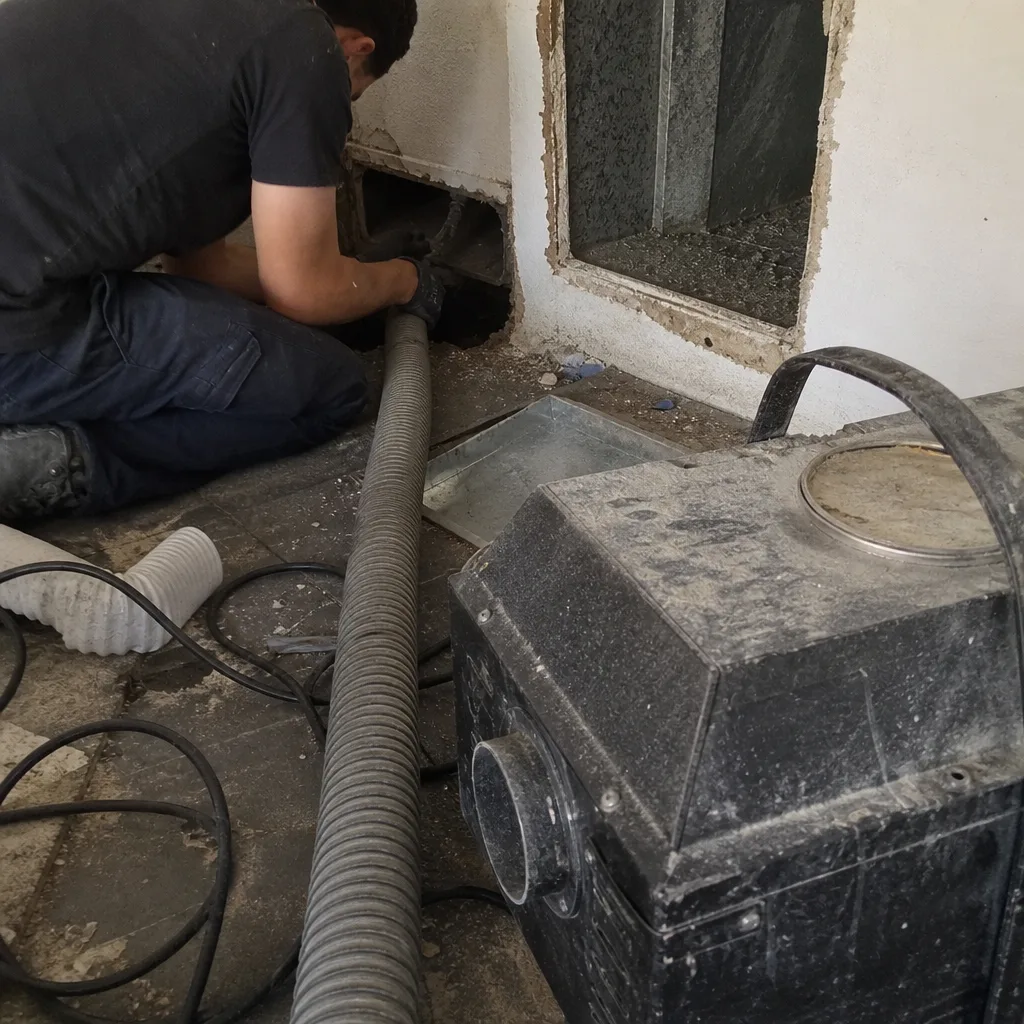 Before
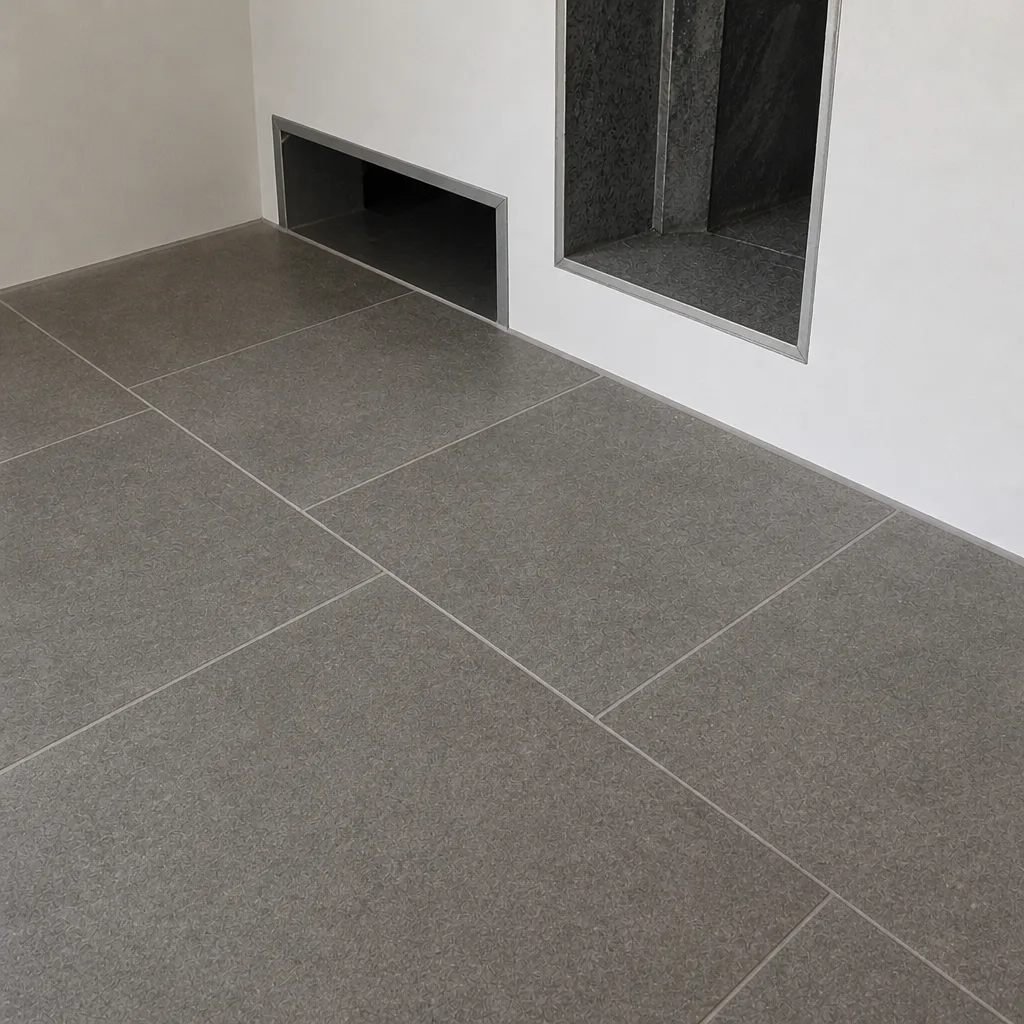 After