
Last updated November 14, 2026
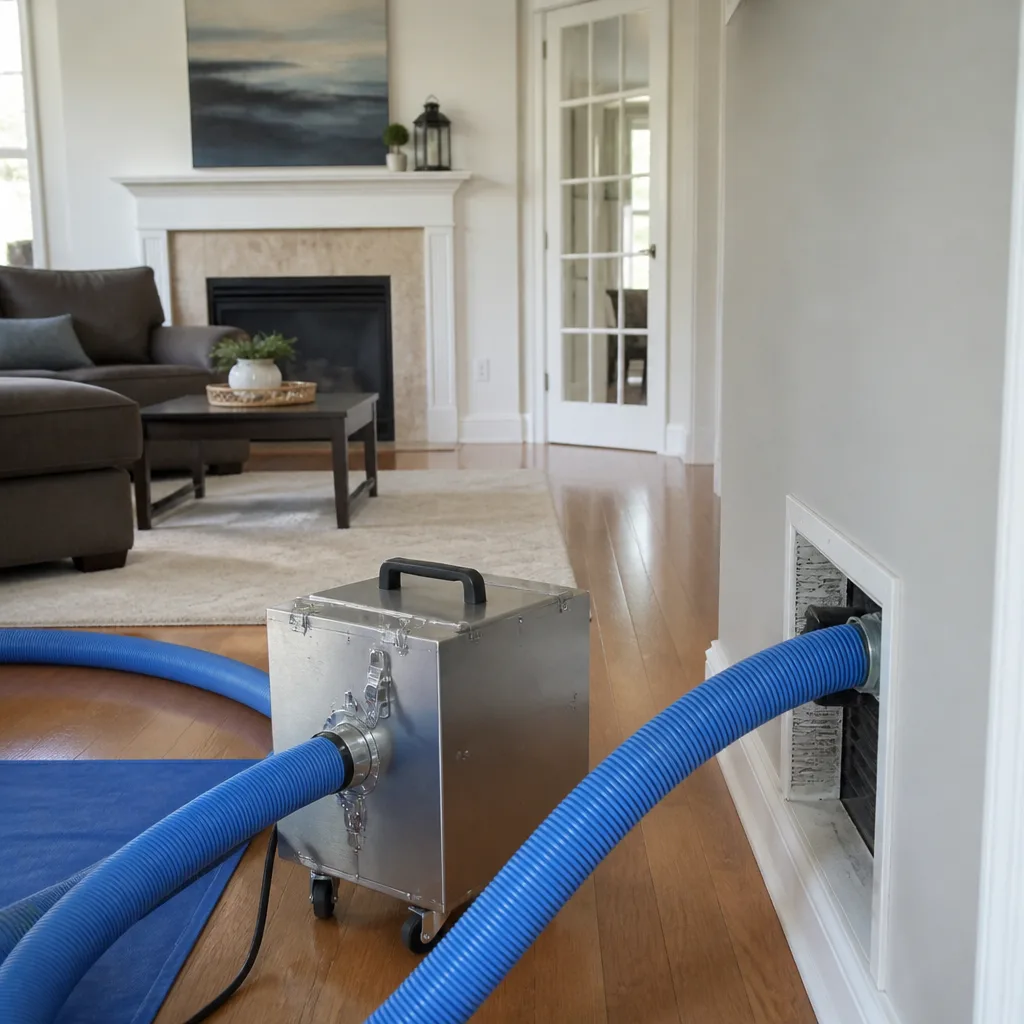 Whole-home duct cleaning
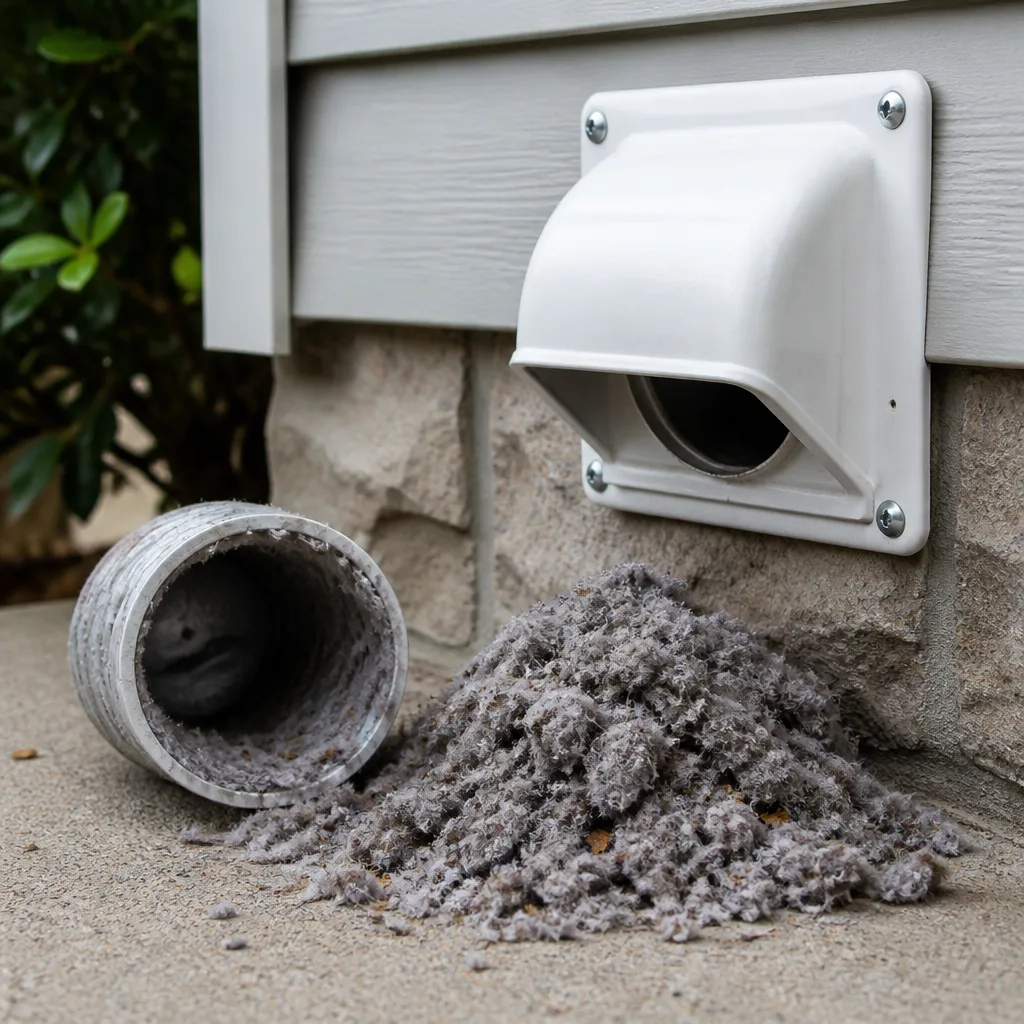 Dryer vent cleaning
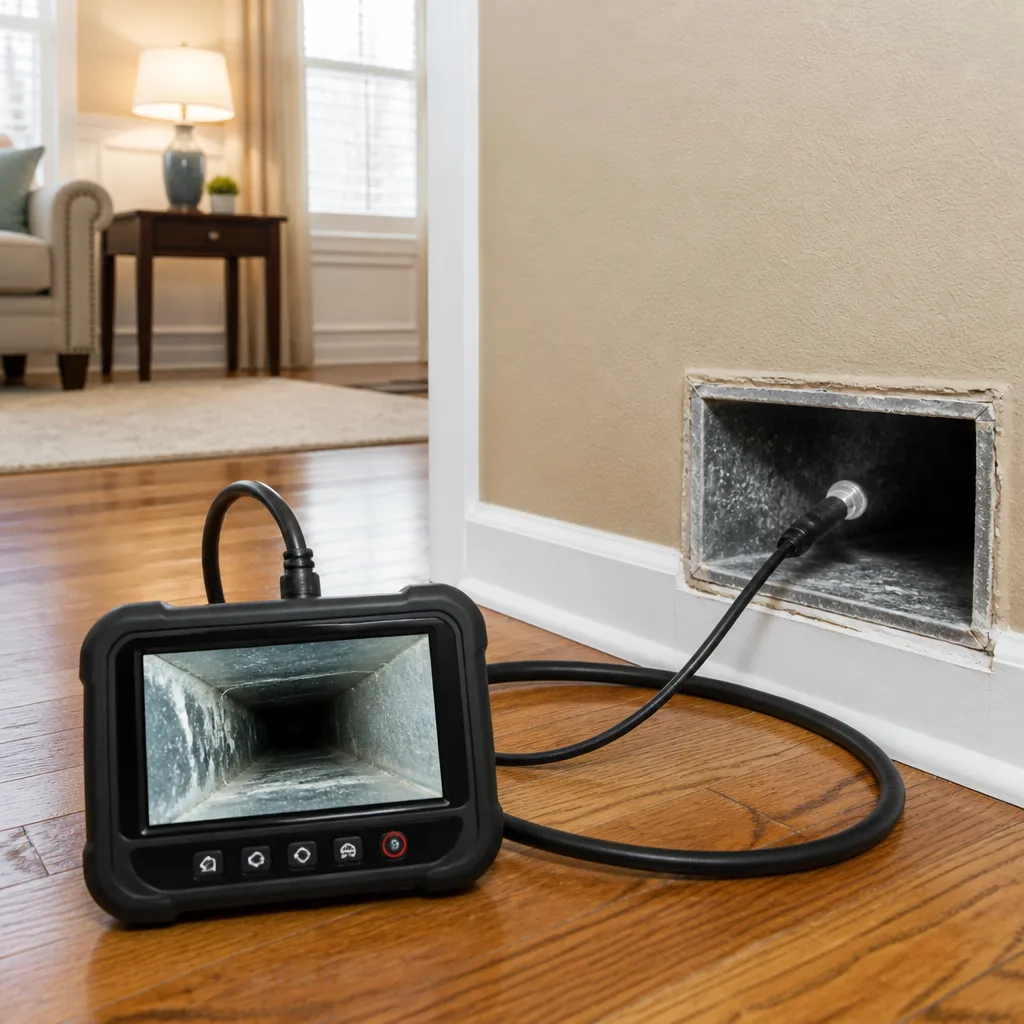 Camera inspection
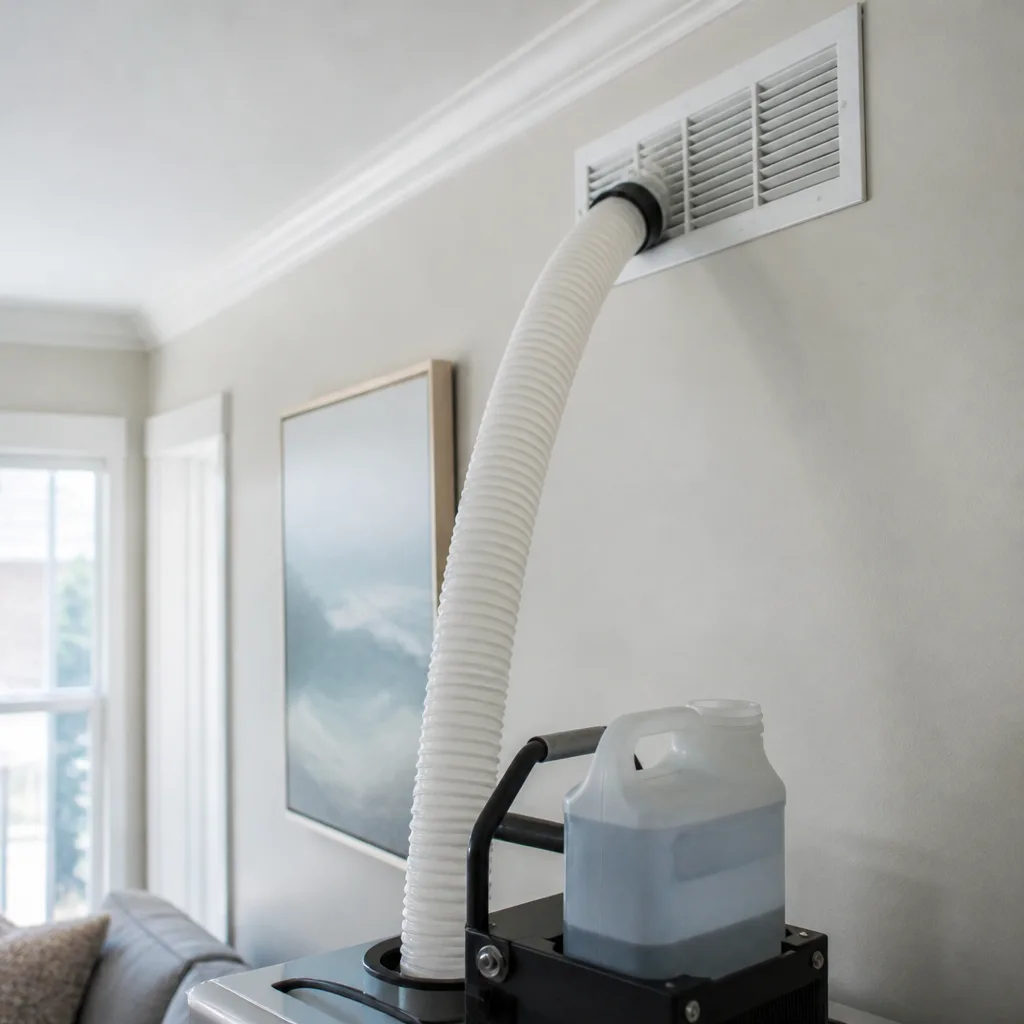 Sanitizing & deodorizing
Whole-system duct and dryer vent check with before-and-after photos - you see exactly what came out of your vents
That "$99 whole-house special" is a bait ad - the real number appears once they are in your hallway, or the "clean" is a shop-vac at the register. We photograph the inside of your ducts before and after instead.
How to Hire an Air Duct Cleaning Contractor in West Valley City: A Step-by-Step Guide
Most people hire a duct cleaner the way they hire a plumber: something goes wrong, they search, and they call the first number with a reasonable price. That approach is backwards for this particular trade. The EPA has explicitly warned consumers about duct cleaning scams that begin with $49 whole-house offers, and those offers exist because the market rewards speed over scrutiny. In West Valley City, where search results surface dozens of providers who all promise the same thing, the vetting process matters far more than the price comparison. This guide walks you through exactly what to ask, what equipment to look for, and how to write an agreement that protects you if the work doesn’t match the pitch.
Quick Answer
To hire an air duct cleaning contractor in West Valley City, verify three things before anyone enters your home: the equipment they’ll use (professional negative-pressure systems like Rotobrush or Nikro, not a shop vac), the written scope of work (which vents, how registers are sealed, how they’ll prove the job was done), and a flat price agreed in advance for the whole system rather than a per-vent rate. Ask for before-and-after photos of your own ducts, get everything in writing, and walk away from any quote that’s vague, refuses a walkthrough, or quotes a suspiciously low teaser number before seeing your system.
Styles & brands we work with
- Whole-home duct cleaning
- Dryer vent cleaning
- Camera inspection
- Sanitizing & deodorizing
Table of Contents
- Why Vetting Matters More Than Price in West Valley City
- The Equipment a Legitimate Contractor Should Arrive With
- How to Read a NADCA Membership (And What It Doesn’t Guarantee)
- The Questions to Ask About Scope Before Booking
- Red Flags That Appear Before the Job Starts
- How to Structure a Written Agreement
- How to Verify the Work Was Actually Done
- How Often Ducts Really Need Cleaning in the Salt Lake Valley
Why Vetting Matters More Than Price in West Valley City
The Wasatch Front has a specific combination of conditions that push ductwork harder than most parts of the country. The valley floor traps winter inversions, so outdoor air quality drops for weeks at a time and homeowners rely more heavily on their HVAC systems to filter indoor air. Summer dust from the west side of the valley and the surrounding dry hills moves through return ducts constantly. And West Valley City’s housing stock spans everything from older post-war homes in neighborhoods like Hunter and Chesterfield to newer construction out toward the western edges, which means the conditions inside a duct system vary enormously from one house to the next.
That variation is exactly why the cheap-quote model fails here. A $49 whole-house special can’t account for a 1950s home with original sheet metal runs any more than it can for a newer home with flex duct. The physics of what needs to happen inside those two systems are different, and a legitimate contractor prices them differently.
We’ve watched the local market fill up with providers who arrive with a portable vacuum and a handheld brush and call it done in forty minutes. That’s not cleaning; it’s surface agitation with a bill attached. The core problem isn’t that good contractors don’t exist in West Valley City. It’s that the search results make it nearly impossible to tell them apart without asking the right questions. That’s what the rest of this guide gives you.
The Equipment a Legitimate Contractor Should Arrive With
Equipment is the single most reliable tell. A contractor who shows up with consumer-grade tools cannot deliver professional results no matter how good their intentions are, and the difference in outcomes is not subtle. Here’s what you should see and what it means.
Truck-mounted vs. portable negative-pressure units
Negative-pressure cleaning works by sealing the duct system, pulling it into a vacuum, and agitating the interior surfaces so debris gets captured by the vacuum rather than blown into your living space. The size and quality of that vacuum determine how much actually comes out.
- Truck-mounted units generate higher airflow and stronger negative pressure. They’re typically used on larger systems and for contamination-heavy jobs, and they can maintain suction across long duct runs where a lesser machine would lose pressure.
- Portable negative-pressure units are the standard for most residential work, and quality matters here more than size. A professional-grade portable system with proper HEPA filtration and a true seal on the registers performs like equipment commercial contractors use. A consumer-grade shop vac dressed up as a duct cleaner does not.
- The agitation tool matters as much as the vacuum. Look for rotary brush systems and compressed-air whips designed specifically for duct interiors. At Oakridge Air Duct Cleaning we run Rotobrush and Nikro systems, which are the same platforms specified in commercial and restoration projects, because the tool has to match the duct (flex, sheet metal, fiberboard) as much as the job does.
What to look for beyond the vacuum
Traps, brushes, and vacuums are the floor, not the ceiling. A serious operation also carries filtration and air-quality products from established manufacturers, because cleaning and purifying solve different problems. Honeywell and Aprilaire products appear in a lot of the residential work we take on, and Abatement Technologies equipment matters when a job involves contamination-sensitive cleaning where the filtration has to hold up to higher particulate loads. If a contractor can’t name the equipment platform they use or explain why they chose it for your home’s duct type, that’s your answer.
How to Read a NADCA Membership (And What It Doesn’t Guarantee)
NADCA, the National Air Duct Cleaners Association, publishes an industry standard for how duct cleaning should be assessed and performed, and membership tells you a contractor has opted into that community. That’s meaningful as a starting signal. It is not a seal of guaranteed performance.
Here’s how to read it honestly:
- What membership usually indicates: a baseline of industry awareness, training, and a willingness to be identified within a professional organization. That’s worth something, especially in a market as noisy as West Valley City.
- What it doesn’t indicate: anything about the specific technician arriving at your door, the specific equipment they’ll bring, or your specific price. Membership sits at the company level and doesn’t validate the scope of the quote in front of you.
- What to do with it: treat it as one input among several. It’s more useful than a glowing online review, and less useful than a walkthrough and a written scope of work.
The practical point is that no credential substitutes for verifying what a company will actually do at your address. A membership badge and a written scope-of-work document together are stronger than either one alone.
The Questions to Ask About Scope Before Booking
Scope is where most disputes are born. A cleaning contractor and a homeowner can both walk away from a job believing it was a success, and the disagreement surfaces two months later when dust is back. The way to avoid that is to pin down scope on the phone and in writing before booking.
- “What’s included for my whole system, exactly?” Get a breakdown: supply trunks, return runs, registers, grilles, the air handler coil area. “Whole house” means different things to different companies.
- “How do you seal the registers and returns?” The seal is what makes negative pressure work. If they can’t explain the process, they’re not running a proper negative-pressure job.
- “How do you verify post-cleaning results?” A legitimate answer involves either camera inspection, photo documentation, or both. “We just trust our process” is not verification.
- “Will I get before-and-after photos of my own ducts?” This is the single most important question. Photos of your ducts are proof of work; stock photos are not.
- “Is the price per-system or per-vent?” A flat per-system price agreed in advance is what protects you. Per-vent pricing is where the invoice drifts.
- “Can I get this all in writing before the job?” The answer should be yes, immediately.
Ask these on the phone before anyone comes out. A contractor who balks or gives circular answers over the phone will not magically get clearer at your front door. For more on what a proper job actually looks like when it’s done correctly, see our guide to air duct cleaning in West Valley City.
Red Flags That Appear Before the Job Starts
The best time to spot a problem is before you’ve handed over a deposit. Here are the signals that should send you looking elsewhere.
- Vague or conditional pricing. A quote that “starts at” a very low number and then depends on what the technician “finds” isn’t a quote; it’s an opening bid. The price should be flat and per-system, agreed before booking.
- Refusal to do a walkthrough. Any legitimate contractor should be willing to look at your system or at minimum ask detailed questions about duct type, age of the home, and system layout. If they can’t be bothered pre-job, they won’t be thorough on the job.
- No written scope of work. If the proposal arrives as a text message saying “we’ll clean your vents for $X,” that’s not an agreement. Walk.
- Offering services outside the trade. A duct cleaner who suddenly offers mold remediation, HVAC repair, or full-system installation is either subcontracting it out unethically or is not actually a duct specialist. We stay inside three services (cleaning, dryer vent cleaning, duct repair) because depth matters more than breadth here.
- Pressure to book “today only.” Urgency without a genuine reason is a sales tactic. Legitimate work is scheduled, not squeezed.
- No photos in their online presence that show their own work. Legitimate duct cleaners document their jobs. If every photo on a website looks like it came from a stock library, it probably did.
How to Structure a Written Agreement
The written agreement is your protection. It doesn’t need to be complicated, but it should cover these specific points so that if the job falls short, you have something to point to besides a verbal promise.
- Flat price for the whole system, in writing. One number. Not a per-vent rate, not a range, not a teaser price with disclaimers. This is the number you pay if the scope is met.
- Defined scope of work. Every component included, in plain language: which vents, which returns, which tools, what happens to the coil area.
- Verification method. Agreement that before-and-after photos of your ducts will be provided, and whether camera inspection is included.
- Payment terms. When payment is due and how. Nothing unusual here, but it should be clear.
- What happens if the work falls short. Any agreed remedy for work that doesn’t meet the stated standard. This is where a professional company separates itself from a coupon-based outfit.
- Dryer vent scope, if included. If dryer vent cleaning is part of the job, specify it separately. It’s a fire-safety service with its own scope, and bundling it into the air duct line without detail is common.
Ask for the agreement before the appointment. If it takes more than a day for one to appear, that tells you something about how the company handles documentation in general.
How to Verify the Work Was Actually Done
The verification question deserves its own section because it’s the part of hiring that most homeowners skip. Once the technician has been in your home for two hours and packed up, how do you actually know what happened inside the ductwork you can’t see?
The short answer is: documents and photos. Here’s what a proper verification should include.
- Before-and-after photos of your ducts. Not the truck, not the equipment, not a stock “after” shot. Photos taken inside or at the register of your system, clearly showing the difference. This is the single most reliable proof of work you can ask for.
- Camera inspection where contamination was heavy. If your ducts had significant buildup, a camera pass at the end confirms what came out and what remains.
- Access point sealing. Every return they opened during the job should be sealed back properly. A small visible gap around your floor registers after a cleaning is a sign the work wasn’t finished carefully.
- A written summary of condition. Not a required document, but a professional one. Anything from “ducts are clear, no repairs needed” to “we found a separated joint and here’s what we recommend” is useful for your records.
We ask customers to look at the photos before the invoice goes anywhere. If those photos don’t show your ducts, ask why. If a company can’t provide them, the cleaning didn’t happen in a way you can verify.
How Often Ducts Really Need Cleaning in the Salt Lake Valley
There’s no universal answer, but there are conditions that make cleaning more urgent for West Valley City homes than the generic “every three to five years” line you’ll see everywhere online. The reality is that it depends on what’s happening inside your specific house.
- Recent remodeling or renovation. Drywall dust, sawdust, and construction debris move into ductwork and stay there. Cleaning after a project is essential, not optional.
- A recent home purchase. You don’t know what the previous residents left behind: pet dander, tobacco, or moisture issues. A cleaning during the move-in window is a reasonable default.
- Visible debris around registers or return grilles. If you can see it at the grille, it’s building up inside too.
- Allergy season hitting harder than usual. In a valley that traps inversions and holds summer dust, hardening filters and cleaning duct systems do more for indoor air than seasonal air fresheners ever will.
- Pet-heavy households. Dander and hair accumulate at a rate the homeowner stops noticing because they live with it daily.
- After HVAC work that opened the system. Any time ductwork is opened, inspected, or repaired, cleaning afterward is worth the call.
For homes in the older neighborhoods of West Valley City where original ductwork has been in the ceiling or floor for decades, more frequent cleaning makes sense than for newer construction on the western edge. The housing stock matters. If your concern is specifically the ductwork carrying warm, lint-laden air out of your laundry, that’s a different job covered in our guide to dryer vent cleaning in West Valley City.
Common Mistakes to Avoid
- Comparing quotes without comparing scope. Two quotes at wildly different prices usually don’t describe the same job. Get the scope in writing for each before choosing, or you’re not comparing like with like.
- Booking the “whole house special” without asking what’s excluded. A flat price means nothing if the included scope is a fraction of your system. Ask which ducts and returns are in and which aren’t.
- Skipping the walkthrough. The five minutes a legitimate contractor spends asking about your system type, home age, and duct layout is the difference between a quote that’s honest and one that’s approximate.
- Not asking for before-and-after photos of their own previous jobs. You’ll get stock photos or nothing. Legitimate work should be documented, and a photo from another house in another neighborhood in West Valley City still tells you more than a stock library.
- Assuming a cheap dryer vent add-on is thorough. Dryer vents are a fire-safety item and shouldn’t be treated as a discount upsell. If they’re offered as a $19 add-on without a scope, they weren’t being done properly.
- Choosing a generalist over a duct specialist. A carpet cleaner who also does ducts does neither as well as a contractor whose entire trade is ductwork. Narrow specialties exist for a reason.
- Settling for “trust us” instead of written verification. The photo documentation is what proves the job. Don’t accept the work on faith.
See the difference
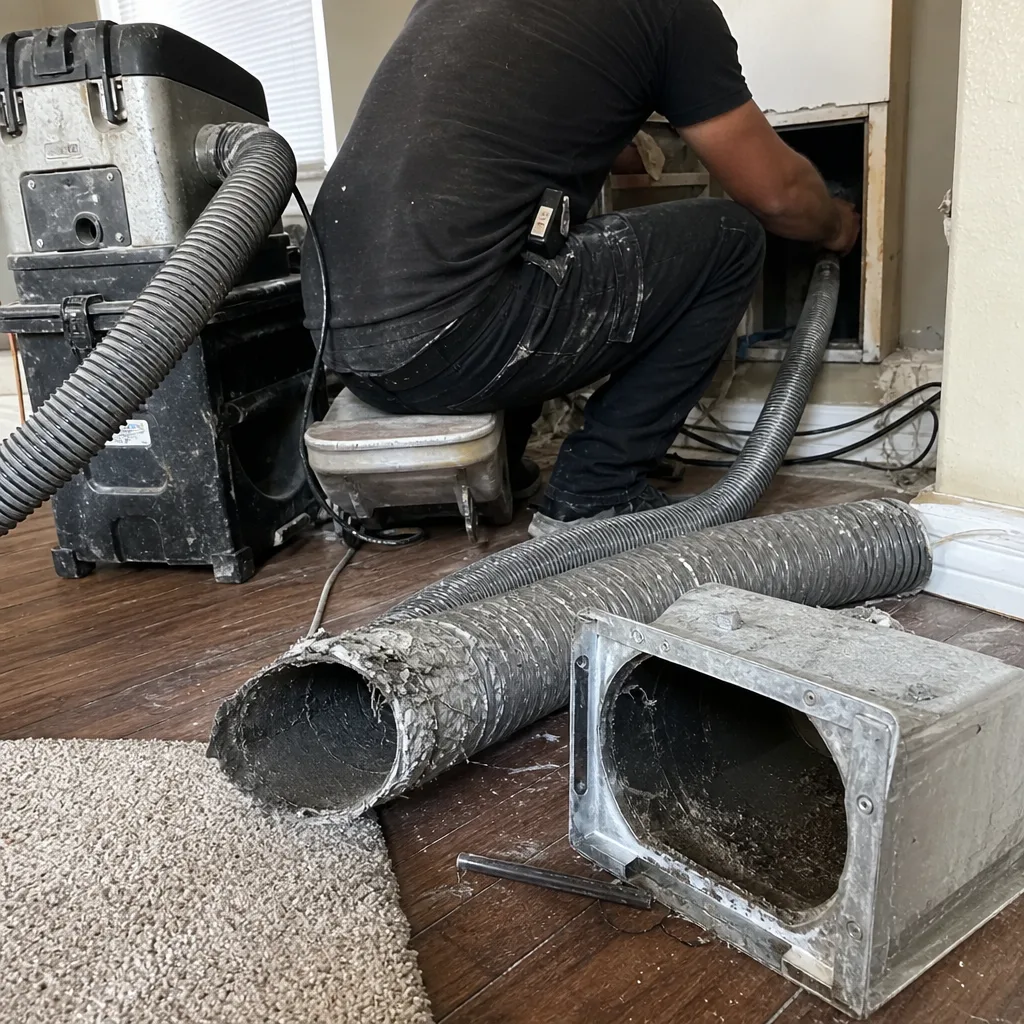 Before
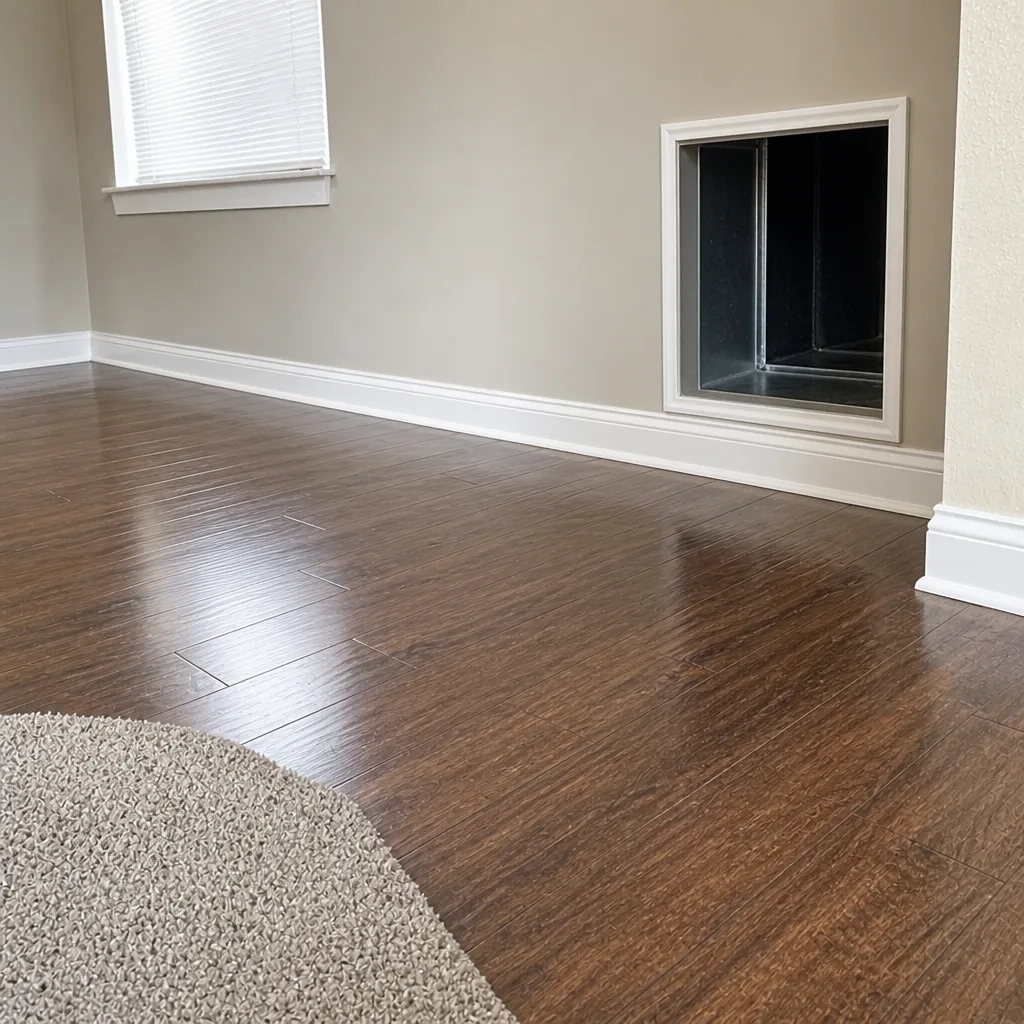 After
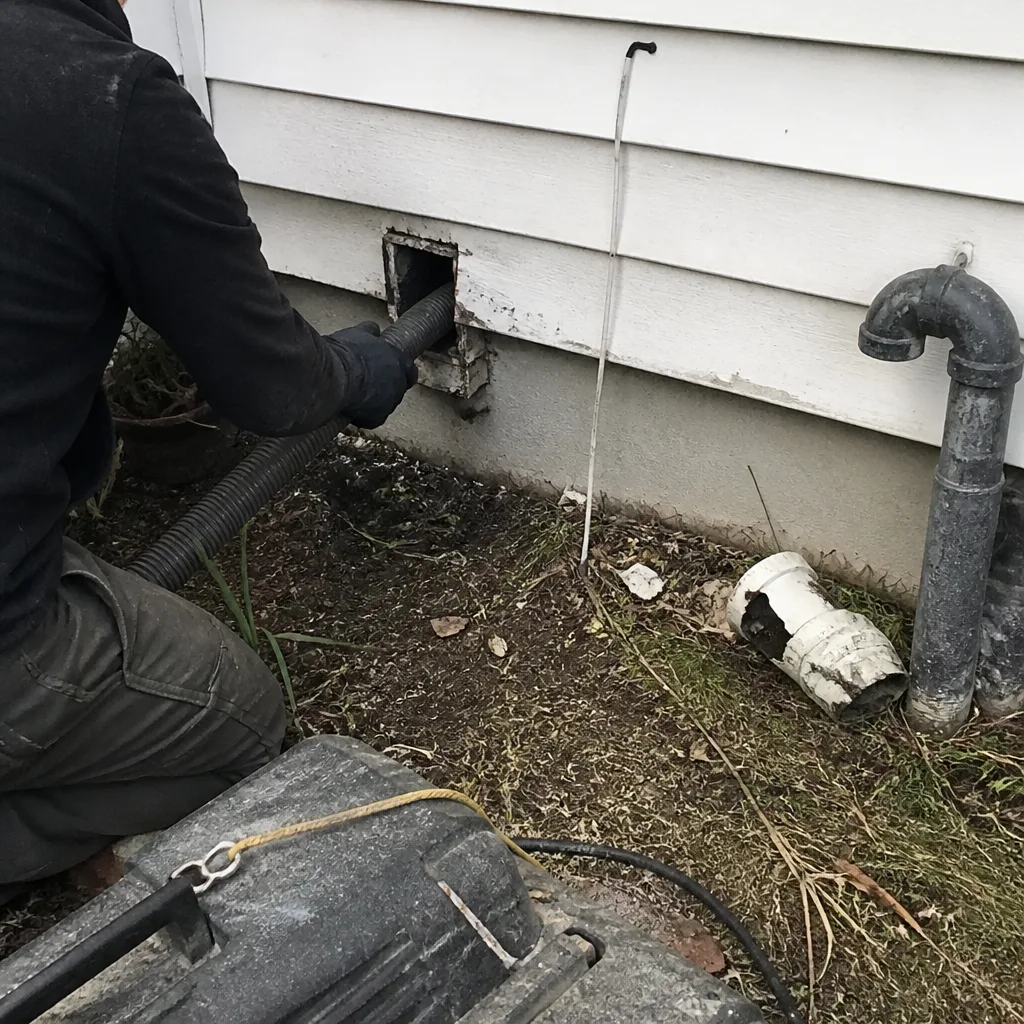 Before
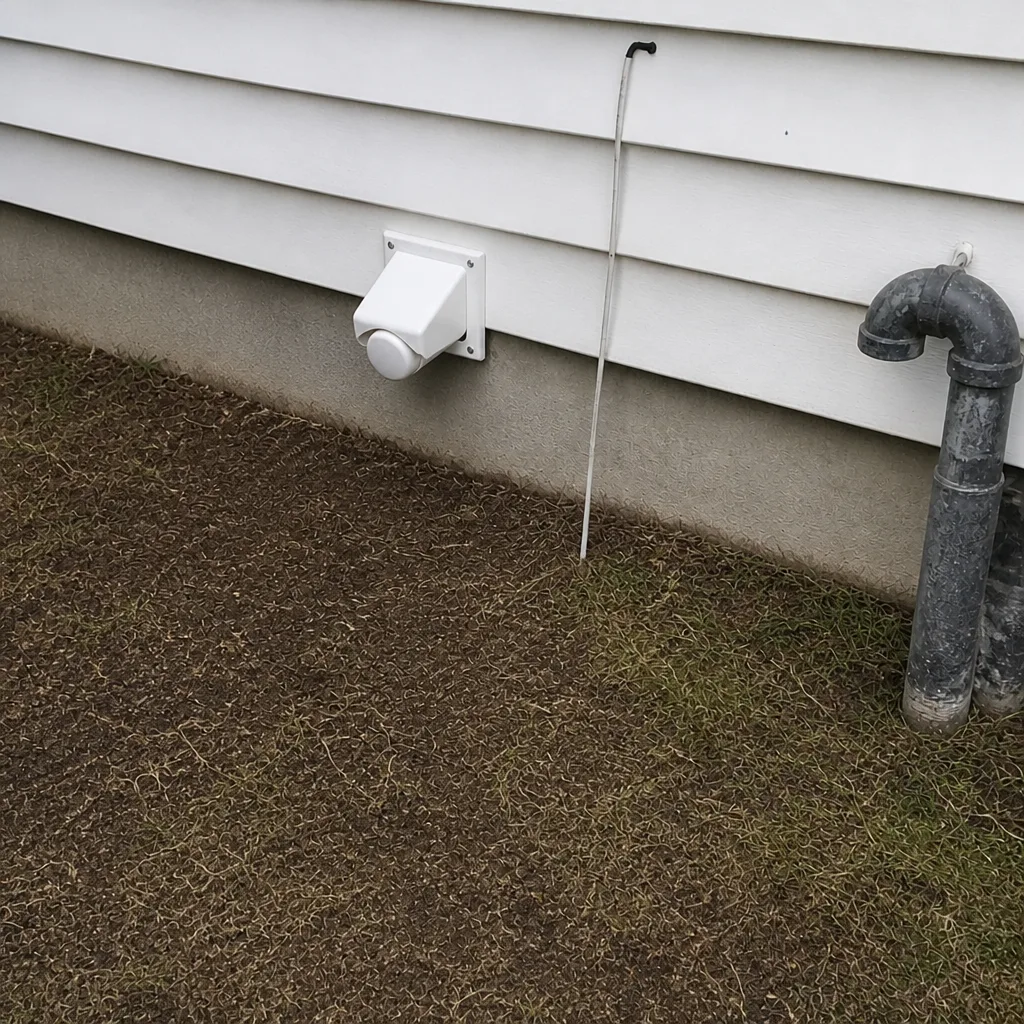 After
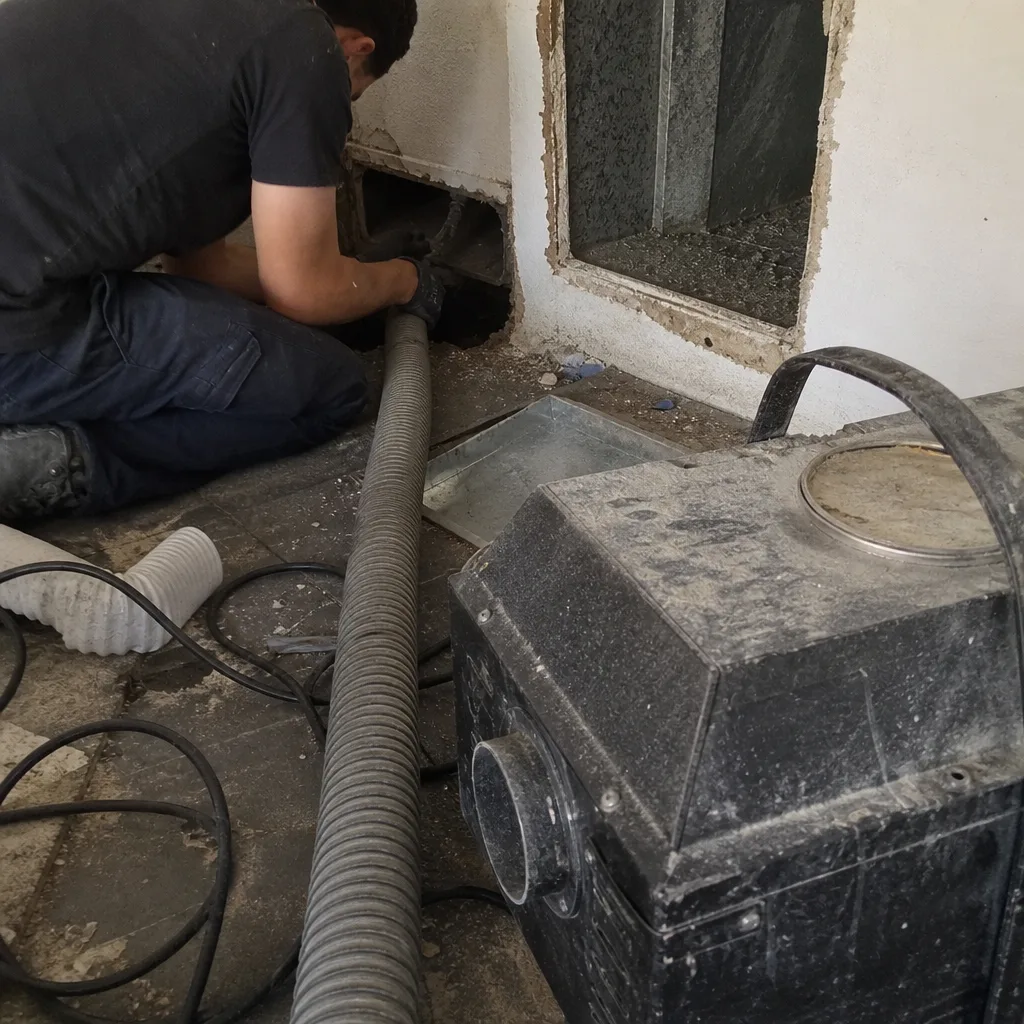 Before
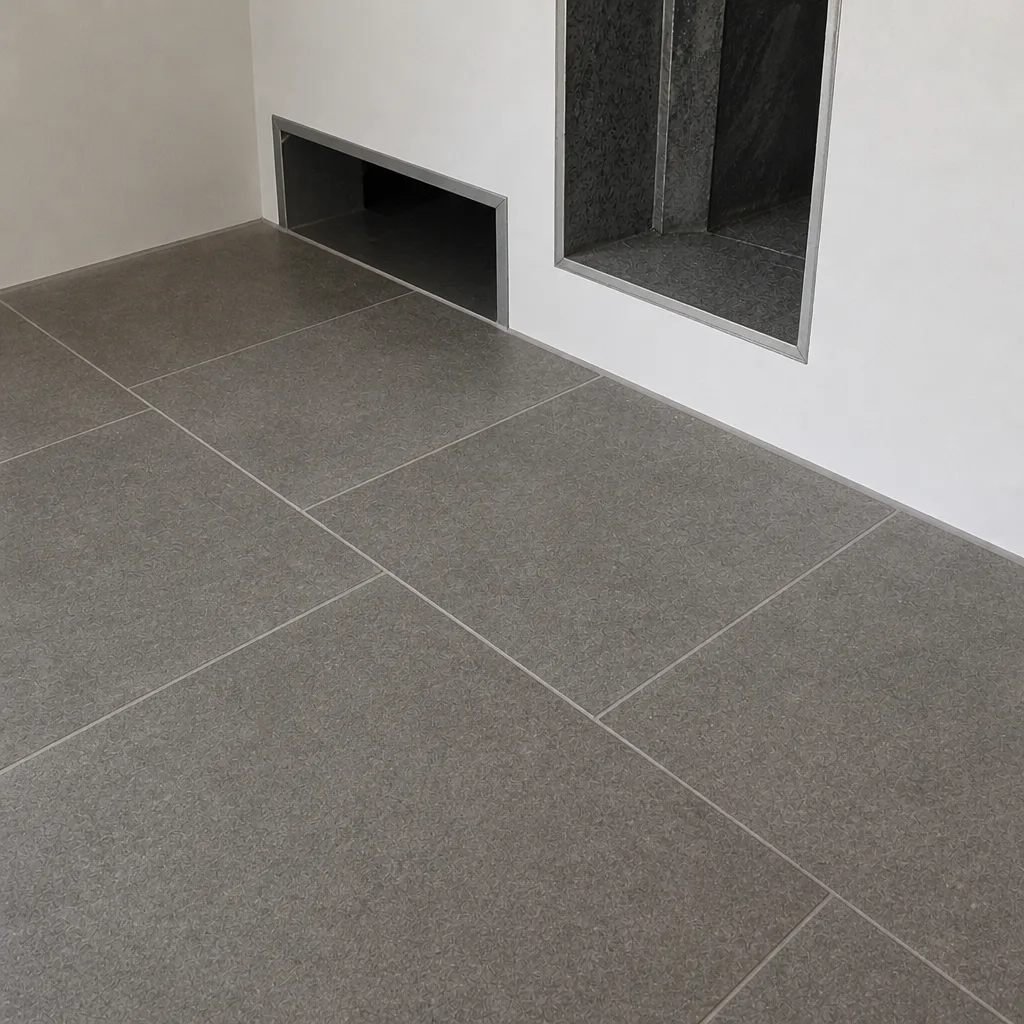 After
When to Call a Professional
Some duct problems can wait for a routine appointment. Others can’t. Call a professional when you can see debris or dust buildup around your registers, when you’ve just finished a remodel or moved into a home in West Valley City and don’t know the duct history, when allergies or asthma symptoms worsen indoors during inversion season, or when your HVAC technician has flagged the system during routine service. A dryer that takes longer than one cycle to dry a normal load is a dryer vent issue and should be looked at promptly, not put off, because lint buildup in the vent line is a genuine fire risk. And if you notice separated duct joints, torn flex, or a duct run that’s clearly not doing its job, that’s a duct repair call, not just a cleaning. Oakridge Air Duct Cleaning offers free estimates in West Valley City. Call (833) 749-0886 and we’ll scope the job properly before you commit to anything. For a sense of what we do across the area, our West Valley City page is the place to start.
Frequently Asked Questions
Most residential duct cleaning in West Valley City runs in the range of a few hundred dollars for a standard single-family home, and the price depends on system size, duct type, and how much contamination is present. The number you should care about isn’t the lowest advertised price; it’s a flat, per-system price agreed in writing before the job starts. Call (833) 749-0886 for an exact quote based on your system; estimates are free.
Cheaper quotes usually mean one of three things: less equipment (portable shop vac instead of a professional negative-pressure system), less scope (only a portion of your ductwork included, with the rest as a paid upgrade once the technician is on site), or a bait-and-switch pricing model where the advertised number doesn’t survive the walkthrough. Any of those shortcuts means you’re paying for the appearance of cleaning rather than the actual work. Call (833) 749-0886 to compare what’s actually included, not just the headline price.
You know because you can see it: before-and-after photos of your own ducts, not stock images, plus any camera inspection that was part of the scope. A legitimate contractor will provide both before asking for payment. If photos of your ducts don’t exist, the cleaning didn’t happen in a way you can verify. Call (833) 749-0886 for a free estimate and we’ll explain exactly what documentation you’ll get.
There’s no single schedule that fits every home, but the practical answer is closer to “when conditions demand it” than a fixed number of years. Remodels, a recent move, allergy flare-ups during inversion season, visible buildup at the registers, and pet-heavy households all push the timing earlier. For older homes in neighborhoods like Hunter or Chesterfield with original duct runs, more frequent cleaning is reasonable. Call (833) 749-0886 and we’ll talk through your specific situation rather than hand you a calendar interval.
Professional negative-pressure systems with HEPA filtration, rotary brush agitation tools designed for duct interiors, and either truck-mounted or high-quality portable units depending on the job. The platform names to look for are the ones used in commercial work: Rotobrush and Nikro for the cleaning systems, plus filtration products from Honeywell and Aprilaire when air purification is part of the scope. Call (833) 749-0886 and ask what they’ll bring to your house before you book.
Yes, but it should be scoped and priced as its own service rather than treated as a throwaway add-on. Dryer vent cleaning addresses lint buildup in the vent line, which is a genuine fire-safety concern independent of the air duct cleaning. If a contractor offers it as an unbundled-because-it’s-cheap add-on with no scope, it’s not being done properly. Call (833) 749-0886 and we’ll quote both services with clear scopes. Read more on our dryer vent cleaning page for context.
Yes. Air duct repair is one of our three defined services, and it exists precisely because cleaning alone doesn’t fix separated joints, torn flex duct, or crushed runs. If the inspection turns up something that needs repair, we can address it in the same service relationship rather than sending you off to find a separate contractor. Call (833) 749-0886 for a free estimate on either cleaning or repair.
We ask about your system before we book anything: duct type, home age, and whether anything prompted the call. From there we schedule a time for the estimate. We answer 24/7. A call outside dispatch hours is booked into the next opening, Sunday through Friday, 7am to 7pm. Fast dispatch from 7am to 7pm on scheduled jobs.
The Bottom Line
Hiring a duct cleaner in West Valley City is a vetting problem, not a price problem. The equipment matters (professional negative-pressure systems from Rotobrush and Nikro, not shop vacs), the scope matters (whole system, in writing, with per-system pricing not per-vent), and the verification matters most of all (before-and-after photos of your own ducts). Ask the six scope questions before booking, get the agreement in writing, and walk away from anyone who won’t do a walkthrough or commits only to vague pricing. That’s how you get real work instead of the appearance of it. If you want to start with a straightforward conversation about your system, the team at Oakridge Air Duct Cleaning is ready. We operate three focused services (air duct cleaning, dryer vent cleaning, and air duct repair) with professional-grade equipment and documentation you can actually see.
Call (833) 749-0886 for a free estimate. We answer 24/7. Fast dispatch from 7am to 7pm, Sunday through Friday.
Written by the team at Oakridge Air Duct Cleaning.