
Last updated November 14, 2026
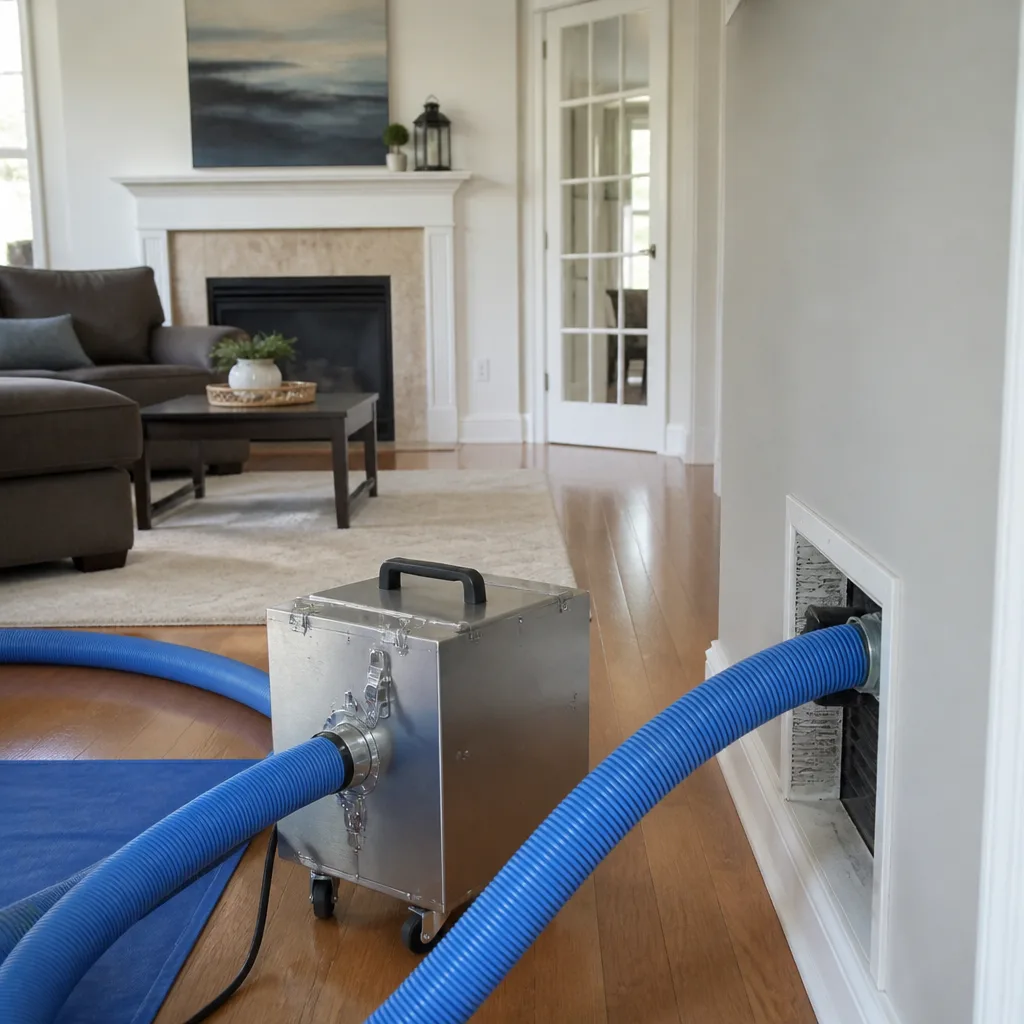 Whole-home duct cleaning
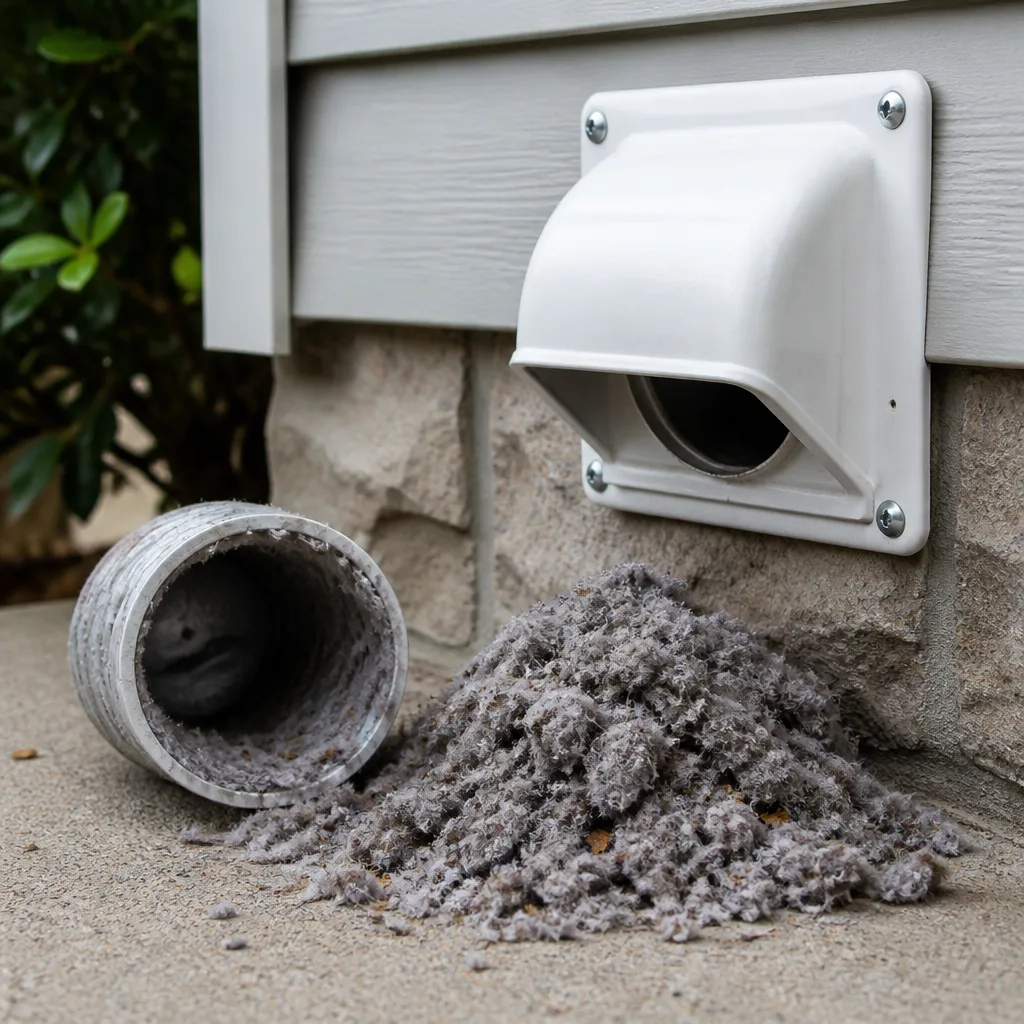 Dryer vent cleaning
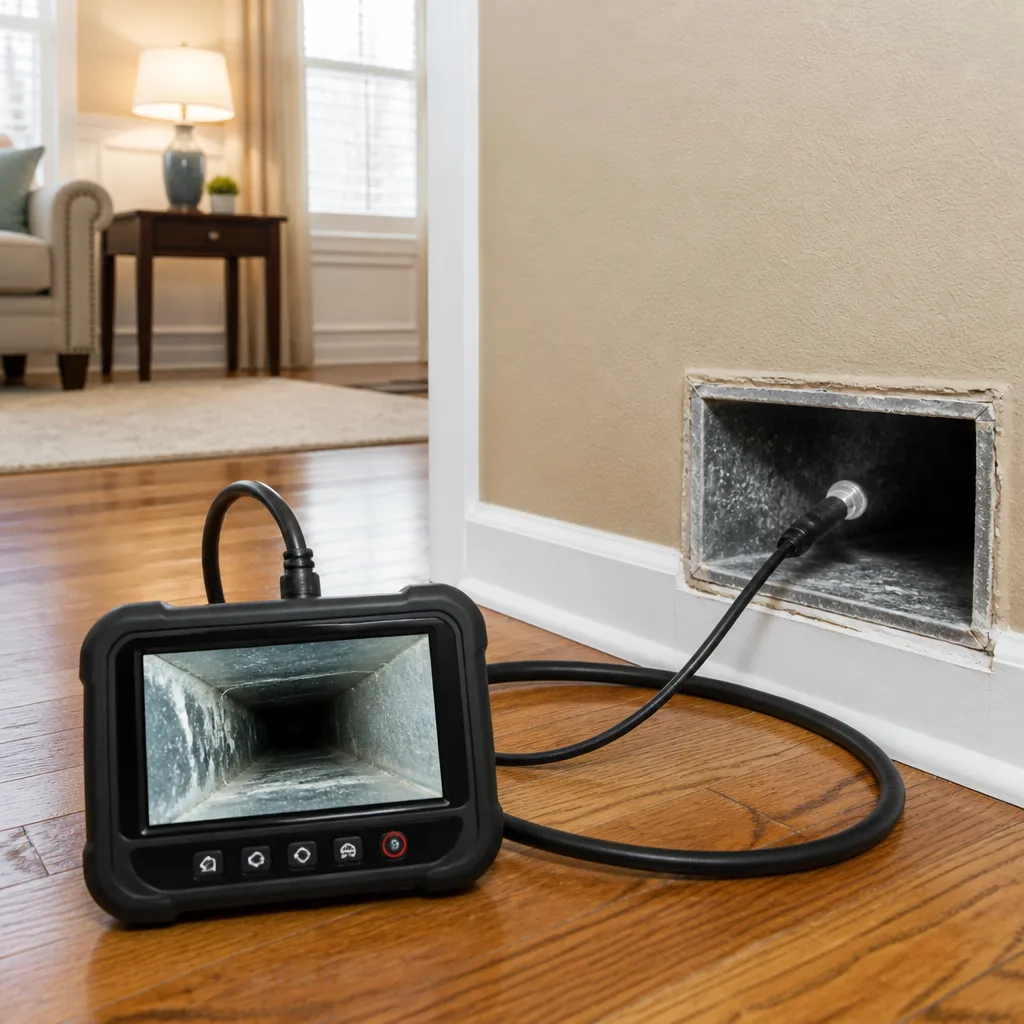 Camera inspection
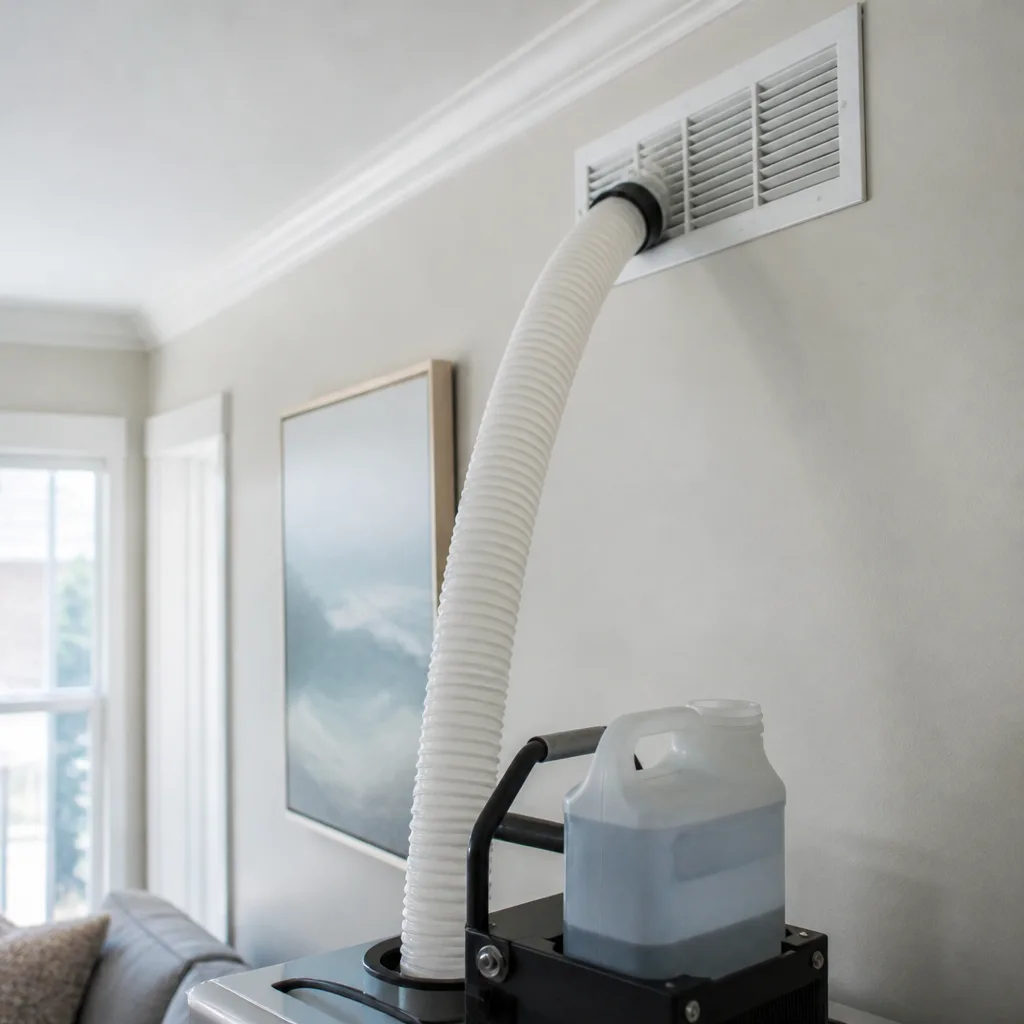 Sanitizing & deodorizing
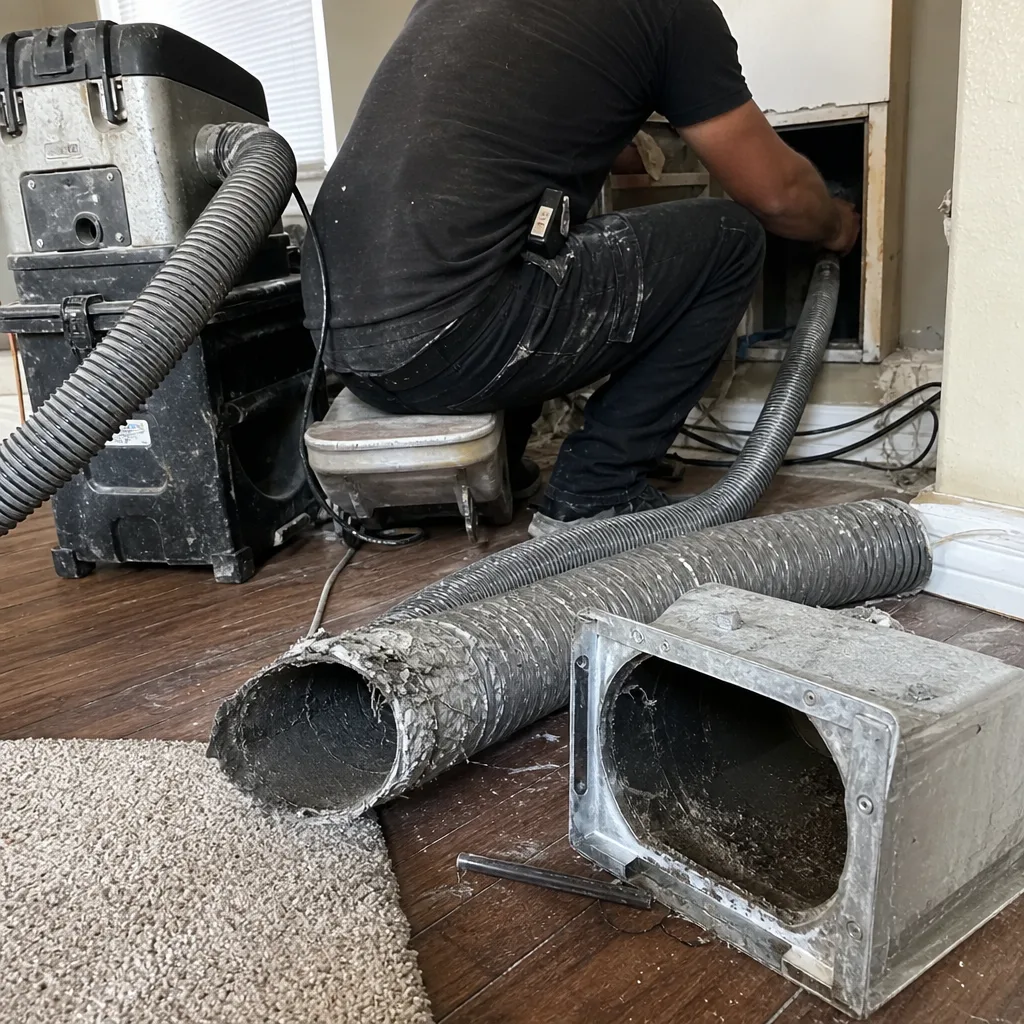
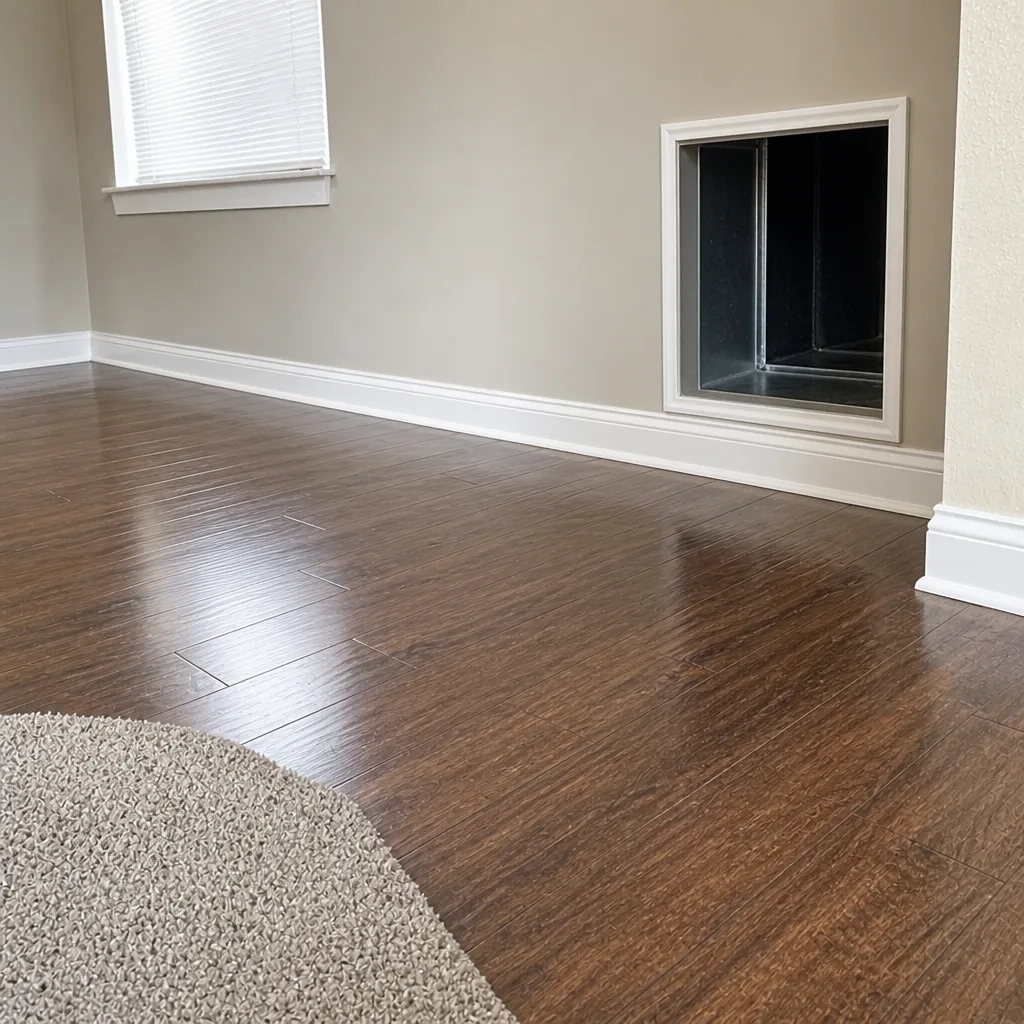
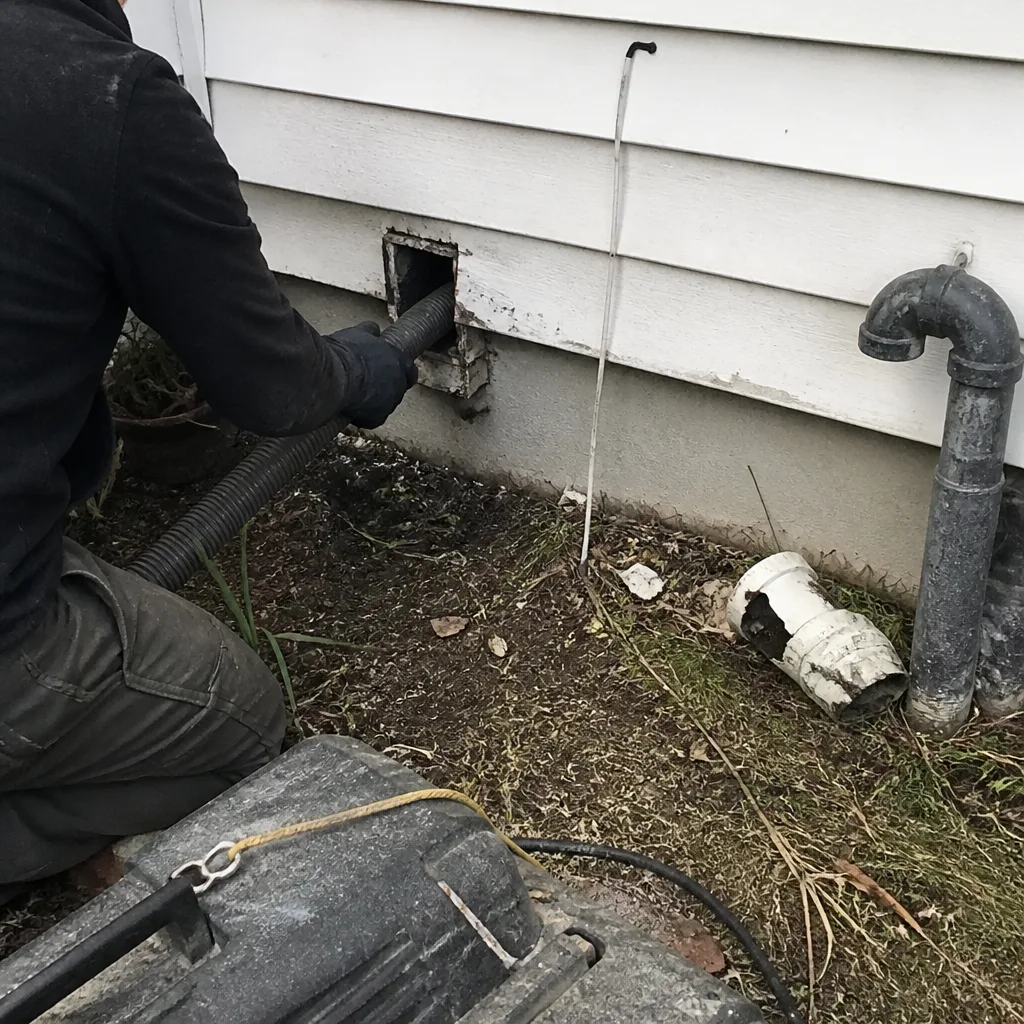
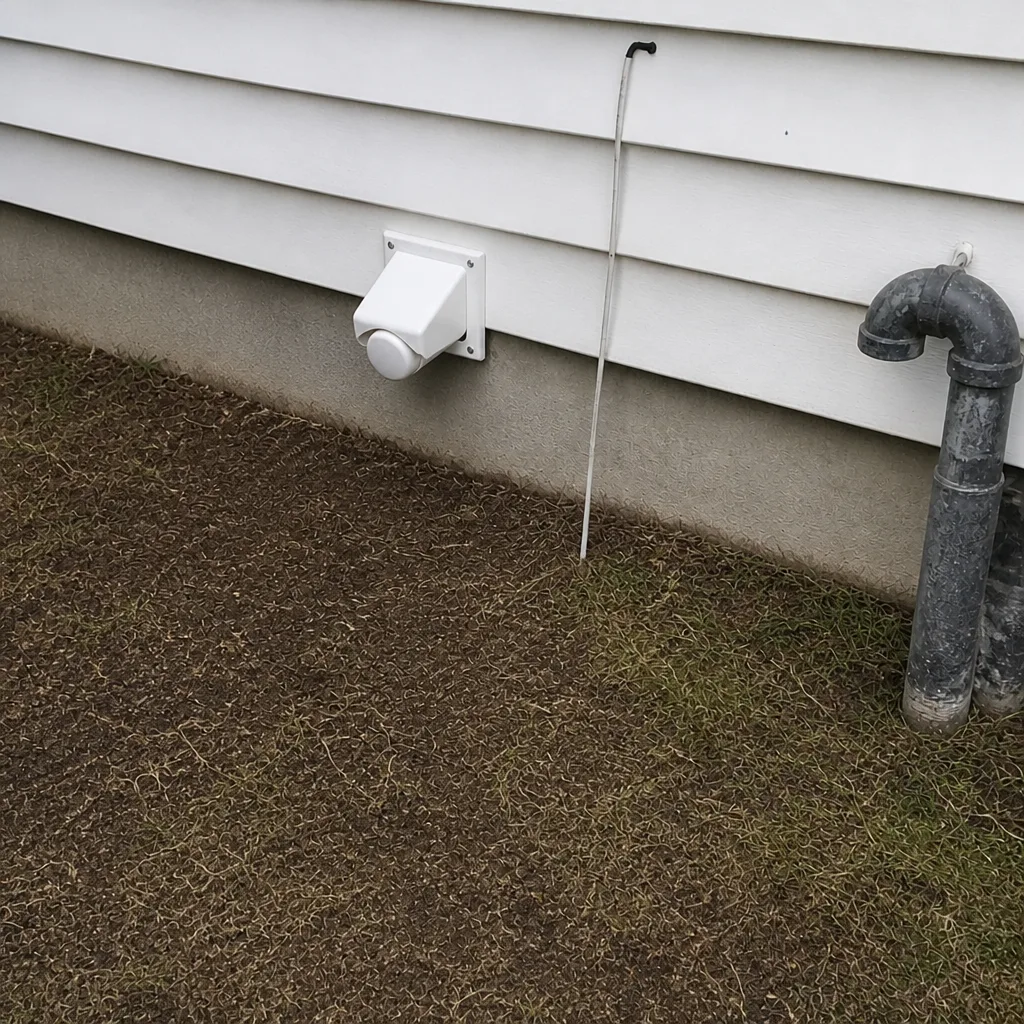
Whole-system duct and dryer vent check with before-and-after photos - you see exactly what came out of your vents
That "$99 whole-house special" is a bait ad - the real number appears once they are in your hallway, or the "clean" is a shop-vac at the register. We photograph the inside of your ducts before and after instead.
DIY vs Professional Air Duct Cleaning: The West Valley City Homeowner’s Decision Guide
Most homeowners assume the choice comes down to effort and money: rent a shop vac, buy a brush kit, save a few hundred dollars. That framing misses the actual problem. The contamination that affects your indoor air quality doesn’t sit in the first 18 inches of supply duct where a consumer kit can reach it. It settles in trunk lines, plenum connections and branch runs that only negative-pressure equipment can access and clear. In West Valley City, where evaporative coolers and forced-air furnaces push a lot of high-desert dust through the same ductwork, that distinction matters more than the price gap. This guide explains what DIY can genuinely do, where it fails, and how to decide for your own home.
Quick Answer
For most West Valley City homes, professional air duct cleaning is the right choice because consumer brush kits and shop vacuums cannot reach or safely remove contamination from deep in a forced-air system. DIY work makes sense for a narrow set of tasks: clearing dryer vent lint, washing register covers, and inspecting return grilles. Anything that involves cleaning inside the ductwork itself calls for truck-mounted or portable negative-pressure equipment operated by trained technicians.
Styles & brands we work with
- Whole-home duct cleaning
- Dryer vent cleaning
- Camera inspection
- Sanitizing & deodorizing
Table of Contents
- What DIY Kits Physically Can and Cannot Reach
- How Negative-Pressure Equipment Works and Why Physics Matters
- The DIY Tasks That Genuinely Make Sense
- Hidden Costs of an Improper DIY Attempt
- Why West Valley City’s Climate Changes the Calculation
- A Decision Framework: Size, Contamination Type, Health Sensitivity
- How a Professional Job Actually Runs, Step by Step
- Common Mistakes to Avoid
What DIY Kits Physically Can and Cannot Reach
A consumer duct brush kit is a flexible rod with a spinning brush head, often paired with a shop vac hose. It works on the same principle as a chimney brush: physical contact scrapes the surface, and nearby suction pulls loosened debris out. Inside a straight, short length of round duct, that approach does something real. The limits show up as soon as the system stops being a straight line.
Here’s what a typical DIY setup can handle and what it can’t:
- Can reach: the first stretch of supply duct behind a register, typically the length of one brush rod section, which is usually around 6 to 15 feet depending on the kit.
- Can reach: the flat, accessible interior of a return plenum where you can see what you’re doing.
- Cannot reach: the main trunk line running the length of a house, which in a standard West Valley City rambler or two-story often exceeds 30 feet with multiple bends.
- Cannot reach: branch runs that turn at a tight elbow, where brush rods bind and stop advancing.
- Cannot reach: the plenum-to-trunk connection and the interior of the air handler cabinet, both common collection points for dust and debris.
- Cannot reach: flex duct runs with sagging sections, where debris pools in the low spots out of a brush’s path.
- Cannot safely clean: duct board or insulated flex duct interiors, where a spinning brush can fray the liner.
The gap between 18 inches and 50 feet of trunk line isn’t a marketing exaggeration. It’s the practical difference between a tool designed for spot contact and a system designed for whole-network evacuation. A homeowner can clean a duct. Only equipment built for the job can clean a duct system.
How Negative-Pressure Equipment Works and Why Physics Matters
Professional duct cleaning isn’t a bigger shop vac. It’s a different physical approach. A negative-pressure system puts the entire duct network under vacuum before any agitation begins, then uses compressed air whips, rotary brushes and air-driven tools to knock contamination loose from every interior surface. Because the whole system is under suction, dislodged particulate travels toward the collection unit instead of into your living room.
The sequence matters as much as the equipment:
- Seal and connect. The collection unit connects to the main trunk or plenum, and registers are temporarily covered to hold system pressure.
- Establish negative pressure. The vacuum pulls the entire duct network below room pressure, so air flows inward at every opening.
- Agitate the interior. Rotary brushes and air whips travel the length of each run, contacting surfaces a consumer brush never reaches.
- Evacuate to collection. Loosened debris moves with the airflow into HEPA-style filtration on the collection unit rather than settling back into the ducts.
- Verify and document. A technician inspects the interior with a camera and can show you the results before and after.
Professional-grade platforms like Rotobrush are built around exactly this workflow, which is why they show up in commercial and restoration projects where contamination control is the whole point. When we work in West Valley City homes, the equipment choice isn’t about brand loyalty. It’s about whether the tool can hold a whole system under negative pressure while reaching surfaces at the far end of it. Consumer equipment cannot, and no amount of effort changes that.
The DIY Tasks That Genuinely Make Sense
DIY has a legitimate role, just a smaller one than most guides admit. Several maintenance tasks around your duct system are safe, useful and don’t require professional equipment. Doing them yourself frees up budget for the work that genuinely needs a specialist.
Register cover washing. Supply and return grilles collect dust on the room-facing side. Pop them off, wash them in a sink or outside with a hose, dry them fully, and reinstall. This is a fifteen-minute task that visibly improves airflow at the register and keeps dust from being pulled back into the airstream.
Return grille inspection. With the cover off, look inside the return with a flashlight. You can see dust buildup on the visible surfaces and check the filter slot for gaps or a poorly seated filter. If you see heavy accumulation extending back out of sight, that’s your signal to call.
Dryer vent lint clearing. This is the one interior-duct task homeowners should absolutely do regularly, and it’s a safety task rather than a comfort one. Lint accumulation in a dryer vent is the leading cause of dryer-related house fires. Disconnect the vent at the dryer, vacuum what you can reach, and clear the exterior flue. If the run is long, has multiple elbows, or you can’t reach the far end, that’s when professional dryer vent cleaning with the right brushes and vacuum is the safer call.
Filter changes. A clean filter is the highest-return maintenance task in any forced-air system. Check it monthly during heating and cooling season and replace it when it’s loaded. In West Valley City’s dusty spring and summer, that may mean more frequent changes than the manufacturer’s minimum.
Hidden Costs of an Improper DIY Attempt
The DIY calculation usually ignores what can go wrong. A brush kit that binds in a duct is applying force to materials that weren’t designed for it, and the damage isn’t always visible from the register. These are the failure modes we hear about most often.
- Dislodged insulation liner. Duct board and insulated flex duct have a fragile interior facing. A spinning brush can tear it loose, and the liner then becomes airborne debris blowing into your rooms with every cycle.
- Damaged joints and seams. Rods and brush heads catch on taped or mastic-sealed joints. Pulling them free can open a seam, and an open seam in a supply run leaks conditioned air into a wall cavity or attic.
- Particulate dispersion. A shop vac connected to a register creates airflow, but not containment. Dust loosened inside the duct often ends up in the room because there’s no negative pressure holding it in the system.
- Crushed flex duct. Flexible runs kink easily. A rod pushed through a kink can collapse the duct and cut off airflow to a room, requiring the run to be replaced.
- Contamination pushed downstream. Without full-system vacuum, agitation moves debris deeper into the trunk line rather than removing it.
- Missed repair needs. DIY cleaning gives no inspection. A disconnected joint or crushed run stays hidden, and the efficiency loss continues.
That last point is the one most homeowners don’t factor in. Cleaning and inspection are the same visit for a trained technician. When we find a disconnected joint or a crushed flex run, we can flag it and, if it’s within our scope, handle the duct repair at the same time instead of leaving it for a separate callout.
Why West Valley City’s Climate Changes the Calculation
Duct contamination isn’t uniform across the country, and it isn’t uniform across the Wasatch Front. West Valley City sits in a high-desert valley with a specific set of conditions that load ductwork faster than a humid climate would.
Dust season is long. Spring and summer winds carry fine particulate across the valley floor. Homes that run windows open in May and June pull that dust straight into the return system. By the time the furnace kicks on in October, some of it has settled into the ductwork.
Evaporative cooler use. Many homes here run a swamp cooler alongside or instead of central air. Evaporative coolers draw a large volume of unfiltered outside air, and the distribution ductwork sees far more particulate than a sealed refrigerated system would. If your home has a cooler connected into the same duct network, plan on more frequent cleaning, not less.
Winter inversion cycles. When the valley traps cold air and particulate under an inversion, homes run their furnaces continuously with windows shut. The system recycles the same air through the same ducts for weeks. A cleaner duct system moves cleaner air during the stretch of the year when you can’t open a window to compensate.
Hard water and dust on register surfaces. Dust in this climate is mineral-heavy and clings to register louvers and grille surfaces rather than passing through. That’s a point in favor of regular register washing, whether or not you book professional cleaning.
None of this makes West Valley City unique, but it does put local homes on the higher end of the cleaning-frequency curve. A rough guideline for the area is every three to five years for a normally occupied home, more often if you have pets, allergies, recent remodeling, or a swamp cooler tied into the system.
A Decision Framework: Size, Contamination Type, Health Sensitivity
The DIY versus professional question gets easier when you break it into three factors. Answer these honestly and the decision usually makes itself.
Home Size and Duct Layout
Smaller homes with short, simple duct runs are more forgiving. A 900-square-foot home with a compact trunk and four supply registers is a different system from a 2,800-square-foot two-story with long trunk runs, multiple elbows and a finished basement zone. The longer and more branched your ductwork, the more of it a brush kit can’t touch. If your home has more than one zone or a run longer than about 25 feet, DIY cleaning covers a small fraction of the system.
Contamination Type
Surface dust is one thing. These are another:
- Visible debris blowing out of registers when the system starts
- Musty or stale odors when the furnace or AC runs
- Pest activity or droppings in the ductwork
- Post-remodel construction dust in the system
- Water intrusion or moisture staining around duct runs
- Mold-like growth visible inside a plenum or on a register
Any of these push the answer firmly toward professional service. Mold and pest contamination in particular need containment and proper filtration, not a shop vac.
Health Sensitivity
If anyone in the household has asthma, seasonal allergies that worsen indoors, or a diagnosed respiratory condition, the margin for error shrinks. A DIY attempt that disperses dust into living space can make symptoms worse rather than better. The same applies to homes with infants or elderly residents. In those cases, the value of verified cleaning with proper containment is straightforward.
How a Professional Job Actually Runs, Step by Step
Knowing what a legitimate air duct cleaning visit looks like helps you evaluate quotes and spot the low-ball operators. A real job follows a sequence, and a technician should be willing to walk you through it before starting.
- Walkthrough and system assessment. The technician inspects your furnace, air handler, duct layout and register count, and identifies any runs that need repair attention.
- Protection of the living space. Floor coverings, corner guards and register covers go down before any equipment runs.
- Negative pressure connection. The collection unit ties into the main trunk or plenum and the system is sealed.
- Whole-system agitation. Rotary brushes, air whips and compressed air tools work every run from the trunk outward to the registers.
- Component cleaning. The blower compartment, evaporator coil exterior and plenum get cleaned as part of the system, not skipped.
- Verification. Camera inspection confirms interior condition, and before-and-after photos document the result.
- Repair findings. Disconnected joints, crushed flex runs or damaged duct board get flagged with a written recommendation.
Our workflow uses Rotobrush and Nikro equipment, the same platforms specified in commercial and restoration projects, because they hold up to a whole-system job. We also work with Aprilaire filtration and humidity products when a home needs more than cleaning to keep ducts cleaner between visits. Air duct repair is part of the service, so a cleaning visit that turns up a damaged run doesn’t become a second appointment with a different contractor. For a broader look at the West Valley City market and what to expect, see our West Valley City service page.
Common Mistakes to Avoid
- Assuming a shop vac attached to a register equals duct cleaning. It creates airflow at one opening but no system-wide negative pressure. Dust loosened deeper in the run often blows back into the room on the next cycle.
- Running a spinning brush through flex duct. The interior liner on flexible duct is thin and tears easily. A torn liner becomes airborne debris and can require replacing the entire run.
- Ignoring the air handler. Cleaning ducts without cleaning the blower compartment and coil exterior leaves the largest collection point untouched. Debris there re-contaminates the ducts quickly.
- Booking on price alone with no scope in writing. A quote with no register count, no equipment description and no mention of the air handler tells you nothing. Ask what’s included before you compare numbers.
- Skipping the dryer vent because it seems fine. Lint accumulates out of sight, and the vent run is the highest-risk duct in the house. In a dry, dusty climate like West Valley City’s, lint loads faster than most homeowners expect.
- Cleaning ducts but leaving a damaged run in place. A disconnected joint or crushed flex run will keep dumping air into a wall cavity no matter how clean the ducts are. Repair has to be part of the conversation.
- Waiting until registers visibly blow dust. By the time debris is visible at a register, the trunk line has been carrying it for a while. Odor, allergy flare-ups and rising dust on surfaces are earlier signals worth acting on.
See the difference
 Before
 After
 Before
 After
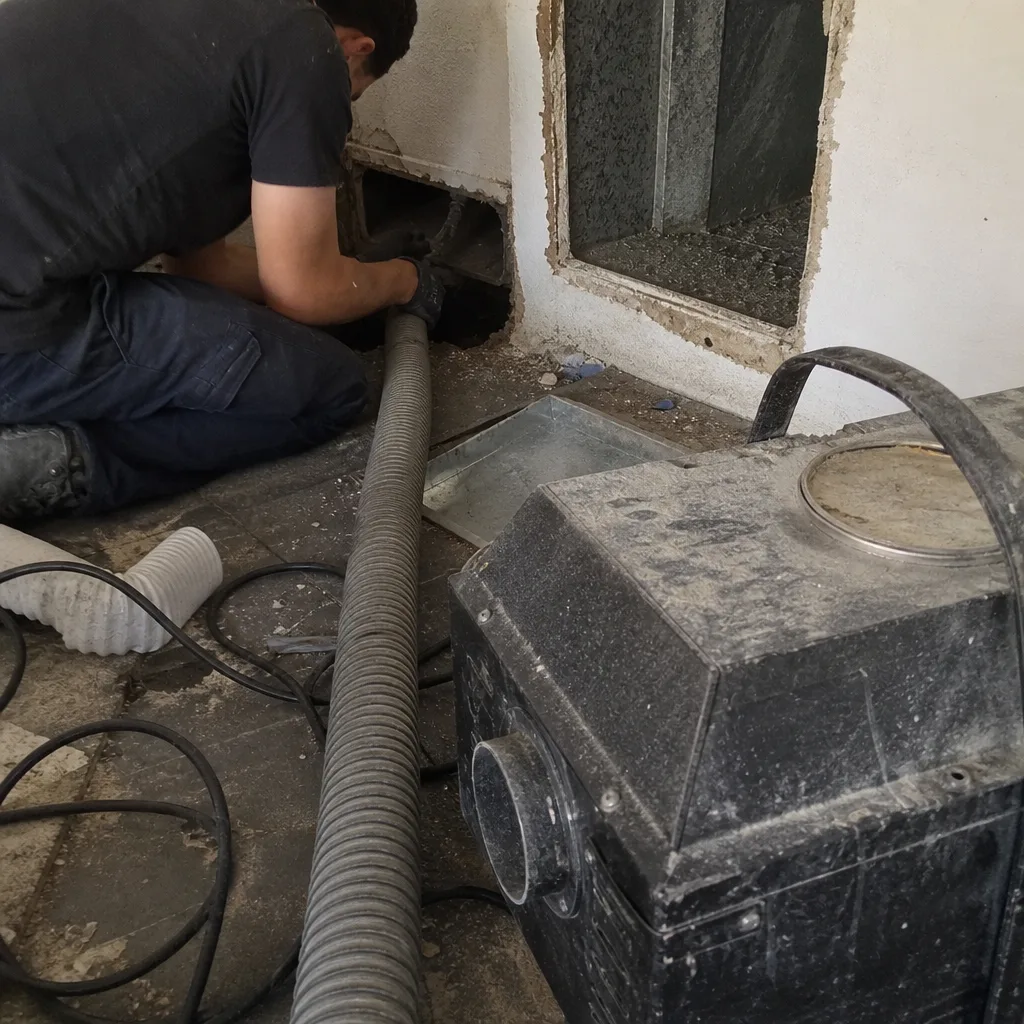 Before
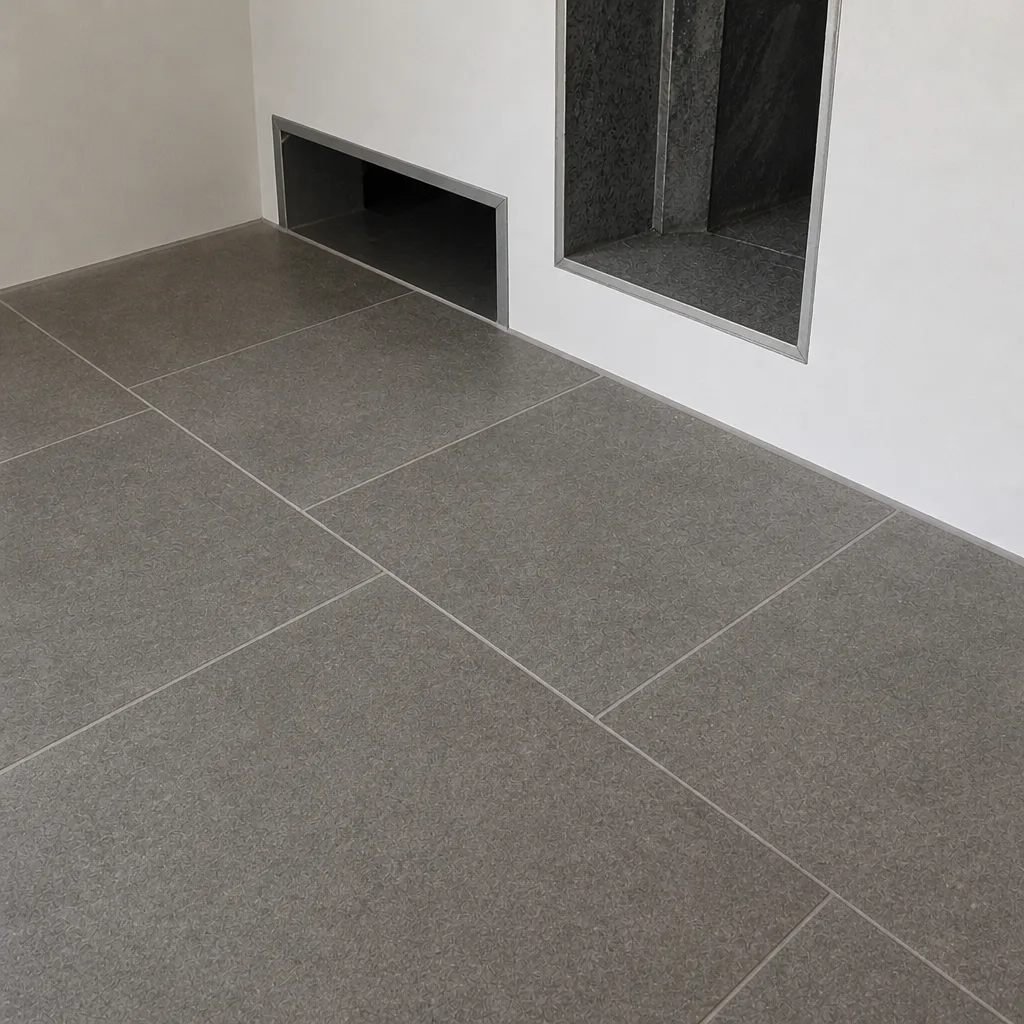 After
When to Call a Professional
Call a professional when the contamination is inside the duct system rather than on the surface of it. That covers visible debris from registers, odors when the system runs, pest activity, post-remodel dust, moisture or mold concerns, and any home where someone has respiratory sensitivity. It also covers the repair cases: a run that’s separated at a joint, flex duct that’s crushed or torn, or duct board that’s lost its interior facing. Those aren’t cleaning problems, and no brush kit fixes them. If you’ve inspected your return grille and can see buildup extending out of sight, that’s the moment to stop and book an assessment. Oakridge Air Duct Cleaning offers free estimates in West Valley City. Call (833) 749-0886. We answer 24/7. Fast dispatch from 7am to 7pm, Sunday through Friday.
Frequently Asked Questions
A shop vac can remove loose dust from the first foot or two of a supply run, but it can’t clean a duct system. It doesn’t create system-wide negative pressure, so loosened debris often ends up in the room instead of being collected. For anything beyond the register, you need equipment that holds the whole network under vacuum while agitating the interior surfaces. Call (833) 749-0886 for a free estimate on what your system actually needs.
Most whole-home duct cleaning jobs in the West Valley City area fall in a broad range based on system size, register count and whether the air handler is included, with the exact price set per job by a written estimate before work starts. That flat-per-system structure is the alternative to per-vent pricing, which can climb quickly in a larger home. Call (833) 749-0886 for an exact quote. Estimates are free.
Low quotes usually reflect a narrower scope: fewer registers, no air handler cleaning, no negative-pressure equipment and no documentation. The price goes up once the technician is on site and the real system size becomes clear. Ask any company for the scope in writing before you book, including register count and whether the blower and coil are part of the job. Call (833) 749-0886 to compare a full-scope estimate against what you’ve been quoted elsewhere.
Ask for before-and-after photos of your own ducts and a camera inspection of the interior before the equipment packs up. A technician should be able to show you the trunk line and a sample of branch runs on screen. Documentation is the difference between a verified cleaning and an invoice. Call (833) 749-0886 to schedule an estimate and ask what documentation comes with the job.
Every three to five years is a reasonable baseline for a normally occupied home here, with more frequent cleaning if you have pets, allergies, a recent remodel, or an evaporative cooler connected into the duct system. The valley’s long dust season and winter inversion cycles mean local homes load ductwork faster than in milder climates. Call (833) 749-0886 and we’ll talk through your setup.
Yes, for short runs with clear access. Disconnecting the vent at the dryer and clearing lint you can reach is a legitimate DIY task and worth doing regularly, since lint buildup is the leading cause of dryer-related house fires. Long runs, multiple elbows or a roof-terminated flue are where DIY gets risky and professional dryer vent cleaning is the safer route. Call (833) 749-0886 if you’re not sure which category your vent falls into.
Cleaning removes accumulated dust, debris and biological material from the duct system, which reduces what the system can redistribute into your living space. It’s one part of indoor air quality, not a standalone fix, and it pairs well with proper filtration. If allergies are the main driver, the conversation should include your filter setup as well as the ducts. Call (833) 749-0886 to go through both.
Cleaning removes contamination from the interior of the system. Repair addresses damage: separated joints, crushed flex runs, torn liner and disconnected boots. Cleaning a system with a damaged run leaves an efficiency and air-quality problem in place, which is why we handle both in a single service relationship rather than stopping at cleaning. Call (833) 749-0886 if you suspect a run is damaged.
The Bottom Line
The DIY versus professional question isn’t really about effort. It’s about reach. A consumer kit cleans the first stretch of a supply duct; a negative-pressure system cleans the whole network, including the trunk line and plenum where most contamination collects in West Valley City homes. Do the safe, useful DIY tasks: wash the register covers, inspect the return, clear the dryer vent lint, change the filter. Call a professional when the contamination is inside the system, when a run looks damaged, or when someone in the home has respiratory sensitivity. One flat price per system, agreed before work starts, with before-and-after photos of your own ducts, is what a legitimate visit looks like. For a full picture of our scope, start with Oakridge Air Duct Cleaning.
Call (833) 749-0886 for a free estimate on air duct cleaning, dryer vent cleaning or duct repair in West Valley City. We answer 24/7. Fast dispatch from 7am to 7pm, Sunday through Friday. Our technicians have up to 8 years of experience, and every job starts with a written scope so you know exactly what’s included before anything runs.
Written by the team at Oakridge Air Duct Cleaning.